Are you looking for the right 펜던트 제어 스테이션 for your next project? If so, you’re in the right place. Whether you’re an engineer selecting controls for a crane or a purchasing manager comparing suppliers, this guide will help you make smart, safe decisions about Pendant Control Stations and get the most value from your investment.
What Is a Pendant Control Station?
So, what exactly is a Pendant Control Station, and why do so many factories rely on them? Picture this: you’re on a bustling plant floor, and heavy machinery needs precise control—quickly and safely. This is where the Pendant Control Station shines, acting as your “remote control” for industrial equipment like overhead cranes, hoists, conveyors, and more.
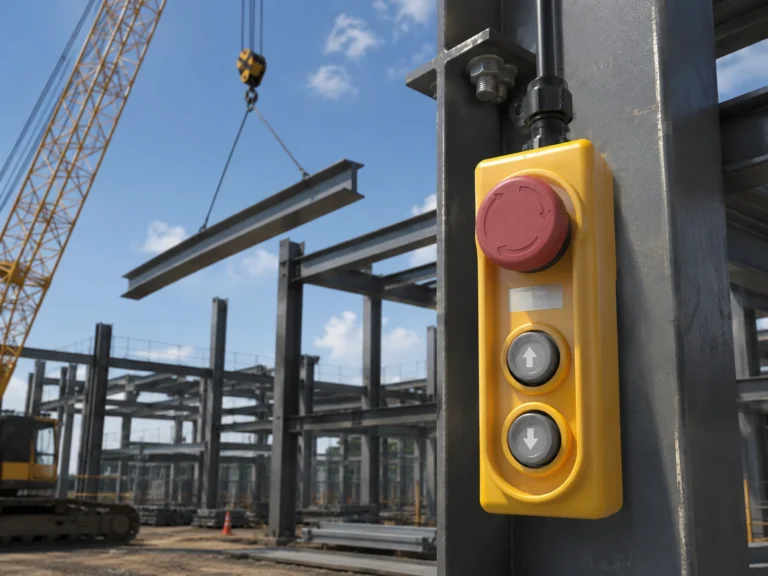
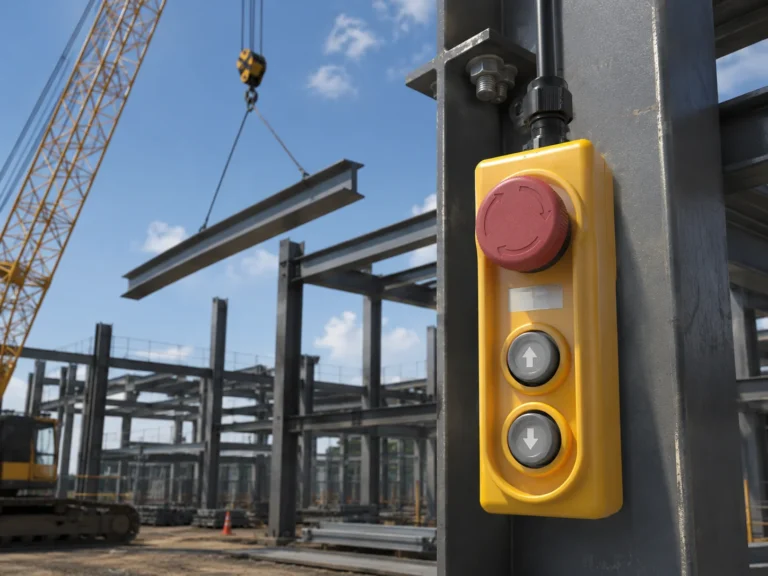
A COP-21JK Pendant Control Station is essentially a tough, handheld device connected by a cable to your machinery. It houses various controls—push buttons, toggles, emergency stops, and sometimes joysticks—all in a rugged enclosure designed for tough factory environments. The operator stands at a safe distance and commands the machine, keeping hazards at bay while retaining full control over movement, speed, and direction. Because it’s portable, operators can move with their line of sight, enhancing precision and safety.
Enclosed in durable, shock-resistant, and sometimes water-resistant casings (look for IP65 ratings or higher for harsh environments).
Multiple button or switch layouts (from 2 up to 14 buttons or more).
Emergency stop (E-Stop) is mandatory for most industrial applications.
Cable lengths commonly range from 3 to 30 meters, allowing operators to safely position themselves.
기능
설명
Typical Specification
Enclosure Rating
Protects from dust, water, impact
IP65, IP67, NEMA 4/4X/7/9
Button Configuration
Varies per application
2–14 buttons, single/double row
Cable Length
Safe operator distance
3–30 meters
비상 정지
Mandatory safety feature
Always present
Types and Applications
Let’s talk about types—because not every Pendant Control Station is created equal. The features you need will depend on your equipment, environment, and how operators interact with it.
Common Types
Standard Push-Button Pendants: Designed for basic hoisting/lifting, these have two to six buttons for simple up/down/stop commands.
Multi-Speed and Programmable Models: Used in advanced setups where variable speeds or multiple functions are needed, such as for controlling large bridge cranes or complex robotics.
Custom Configurations: For unique industry requirements—think extra buttons, joystick integration, or tailored labeling for highly specific workflows.
Where You’ll Find Them
Cranes (overhead, gantry, jib): Most common application for Pendant Control Stations—operators safely manage heavy loads from a distance.
Conveyors: For manual override or emergency stops.
Hoists and Elevators: Used in material handling across industries.
유형
최상의 대상
애플리케이션 예시
2-Button
Basic up/down motion
Small hoists
4-Button, 2-Speed
Dual direction, variable speed
Bridge cranes
10-Button
Multi-function machines
Robotics, assembly
Common Mistakes and How to Avoid Them
You want your Pendant Control Station to last—and to avoid expensive mistakes that damage your reputation or production lines.
Frequent Pitfalls
Wrong Environmental Rating: Using an indoor-rated pendant outdoors will almost guarantee early failure. Always match the IP or NEMA rating to your real working conditions.
Excessive Button Count: More isn’t always better. Too many buttons can confuse operators and delay critical actions—they might even hit the wrong one in a rush.
Improper Cable Routing or Lack of Protection: Unprotected or poorly routed cables can get snagged, cut, or even create trip hazards, leading to downtime or accidents.
Neglecting Emergency Stop Compliance: Never bypass or disable E-Stop functionality. If frequent failures occur, correct the root cause rather than tampering with safety features.
Avoid These Traps
If you’re unsure about environmental specs or operational complexity, don’t gamble—consult your Pendant Control Stations supplier early in the procurement process (there’s a CTA for you!). If you’re planning a new project, you can also contact our team to select the appropriate Pendant Control Station based on your requirements.
Installation, Operation, and Maintenance Tips
Getting your Pendant Control Station up and running isn’t rocket science, but a few practical steps can save frustration and money.
Installation Best Practices
Install the device at a user-friendly height—typically about 3 to 4 feet from the ground—for comfortable operation.
Ensure strain relief on the cable connections to prevent wear and tear.
Double-check enclosure seals when mounting in dusty, wet, or washdown environments to keep out contaminants.
Follow all manufacturer instructions for wiring and terminals.
Operation Tips
Train all staff on correct sequence and labeling for buttons—prevent guessing games on the floor.
Use clear, durable labeling for all controls.
For programmable units, update button assignments as your process changes to ensure clarity.
Maintenance Recommendations
Inspect cables regularly for splits or signs of wear—replace immediately if damage is spotted.
Confirm that all buttons return to the “off” position smoothly after release.
Keep the enclosure and buttons free from dust and grime; scheduled cleaning prevents malfunctions.
Test emergency stop buttons during routine preventative maintenance—never overlook this step.
Task
Key Step
Frequency
Cable Check
Replace split/damaged cables
Monthly
Button Test
Ensure normal return/contact
Weekly
E-Stop Test
Confirm reliable operation
Monthly
Cleaning
Remove dust/grime/moisture
As needed
Industrial Applications in Action
Let’s ground this in the real world. Have you wondered what kinds of sites can benefit most from a new Pendant Control Station?
Steel Mills: Workers use heavy-duty Pendant Control Stations for crane hoist controls, safely managing molten metal from a distance.
Automotive Manufacturing: Complex, multi-button pendants orchestrate robotic assembly arms and part transfer lines.
Warehouses and Distribution: Operators on forklifts rely on pendant controls to move conveyors for smooth package transfer.
Imagine you’re in a busy warehouse, and your overhead crane suddenly stops responding. If your Pendant Control Station was poorly installed, with a damaged cable or loose connection, your downtime could cost thousands in delayed shipments. A robust, correctly specified Pendant Control Station is more than just a control box—it’s your insurance policy against avoidable risk.
Market Trends and Price Considerations
Is the Pendant Control Station a smart investment? Let’s talk numbers (and shopping tips).
The global market for Pendant Control Stations is booming, driven by demand for safer and more automated material handling. In 2024, the market was valued at roughly $1.2 billion and is expected to almost double in the next decade. Pendant Control Station prices vary widely by features, build quality, and supplier—but cost-effectiveness is within reach if you match your needs to the right specification and avoid overbuying.
If you’re seeking the best Pendant Control Station supplier, consider their experience with your industry’s unique demands—and always request detailed quotes to compare Pendant Control Station prices and options.
요인
Impact on Price
Number of buttons/functions
More = higher price
케이블 길이
Longer, costlier
Enclosure rating/material
Ruggedized is pricier
Supplier and brand
Trusted brands = premium but reliable
Reliable Pendant Control Stations are the unsung heroes of safe, efficient industrial operations. By choosing the right model, ensuring professional installation, and sticking to a regular maintenance routine, you can minimize downtime, maximize safety, and get the most from your investment. Whether you’re looking for a Pendant Control Station supplier to boost your productivity or want the latest info on Pendant Control Station prices, this guide puts the power in your hands.
Ready to upgrade your controls? Request a personalized quote for your Pendant Control Station needs today! Contact our technical sales team to get tailored recommendations for your next industrial project. Don’t let a small detail halt your big operations—reach out now and future-proof your production.
자주 묻는 질문
What is a Pendant Control Station used for?
COP-21JK Pendant Control Stations are primarily used to remotely control industrial machinery—such as cranes, hoists, or conveyors—to enhance operator safety and efficiency by allowing operation from a safe distance.
How do I choose the right Pendant Control Station size and specifications?
Consider the number of machine functions, operator comfort, required environmental protections (IP or NEMA rating), and cable length. Excessive buttons or underspecified protection can hinder operations or reduce equipment life.
What are common Pendant Control Station installation mistakes?
Typical errors include inadequate cable protection, poor strain relief, incorrect environmental rating for the application, and overcomplicated button layouts.
How often should Pendant Control Stations be inspected?
Cables, buttons, and enclosures should be checked at least monthly for wear, damage, or moisture; emergency stops should be tested on a regular preventative maintenance schedule.
Where can I find a reliable Pendant Control Station supplier?
Look for suppliers offering experience in your industry, detailed customization options, and clear information on Pendant Control Station price structures—this will ensure your purchase meets operational and budgetary needs.
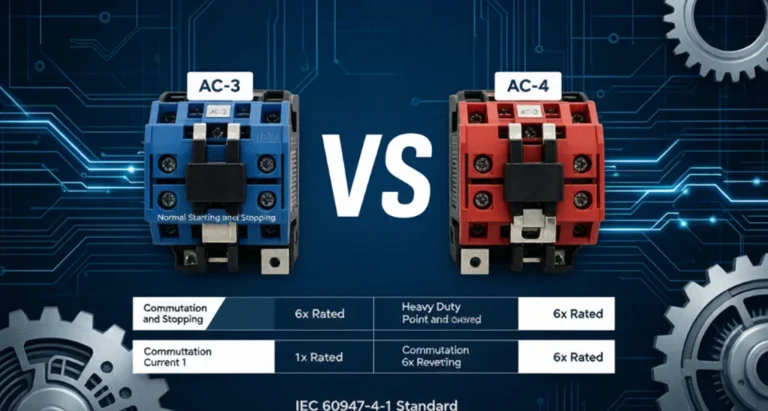
Why Utilization Categories Matter for Contactor Selection Specifying a contactor by rated current alone is one of the fastest ways to end up with welded contacts, short electrical life, and unplanned downtime. The contactor utilization category—defined in IEC 60947-4-1—tells you what kind of load the contactor can switch and how severe that switching duty is. Two […]
Choosing the right electric hoist push button switch is not just about finding a handheld control with a few buttons. In real lifting applications, the wrong choice can create wiring mismatch, poor operator control, replacement delays, or unnecessary safety risks during hoist and crane operation.
A 2 button pendant control is a hand-held control station designed for simple machine motion, looks simple, but choosing the wrong one can create real problems in hoist and lift applications.