








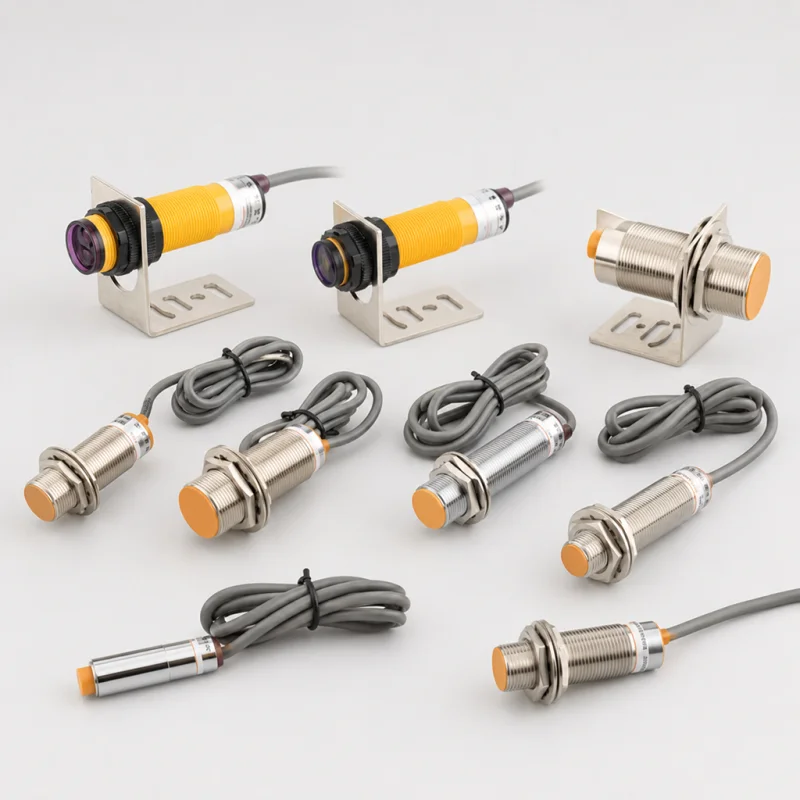
Proximity Sensor

Proximity Sensor | OEM/ODM & Wholesale Price

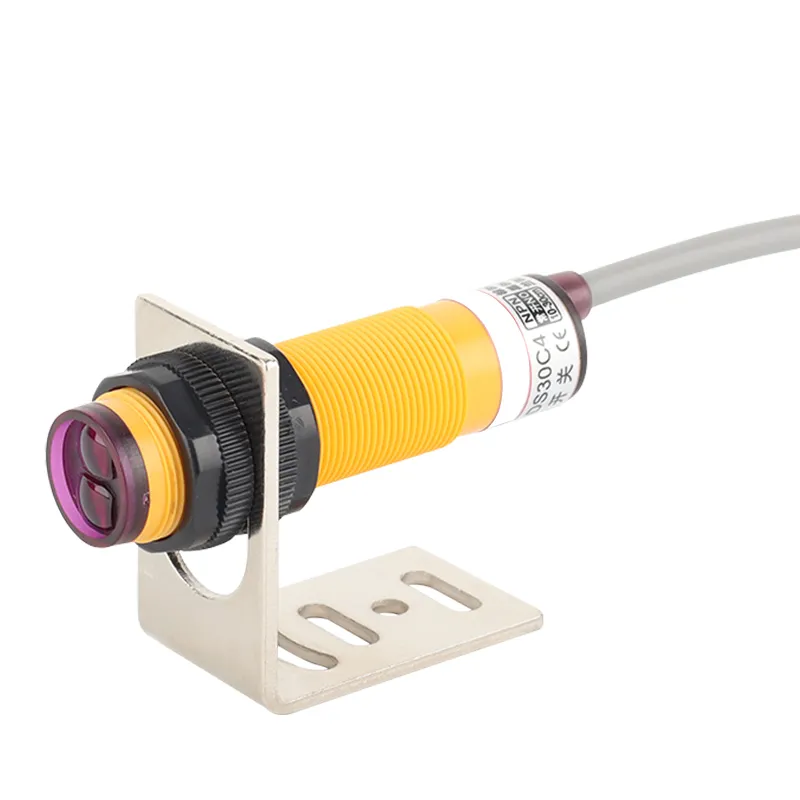
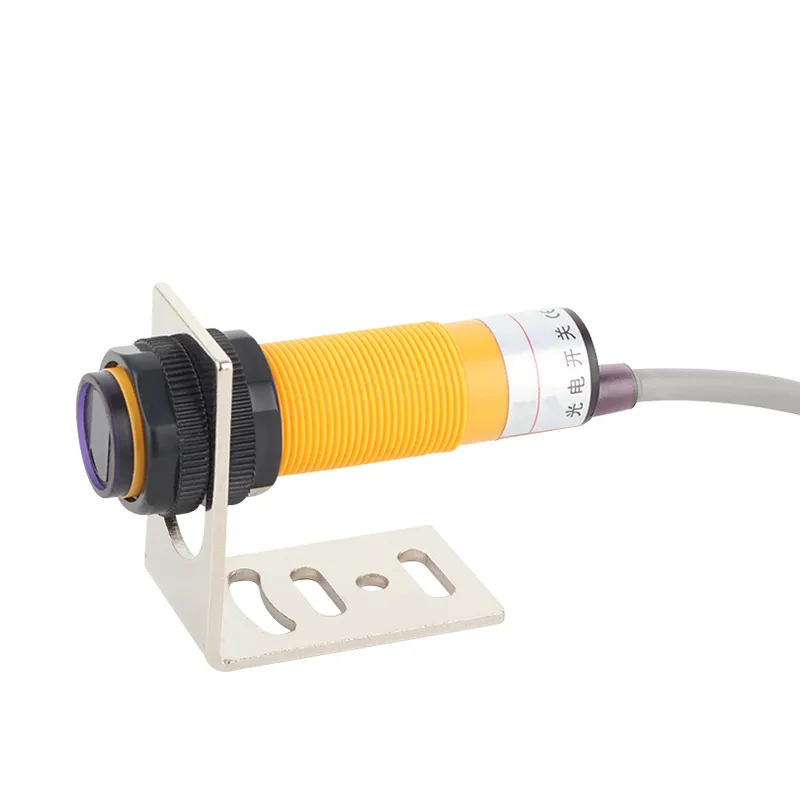
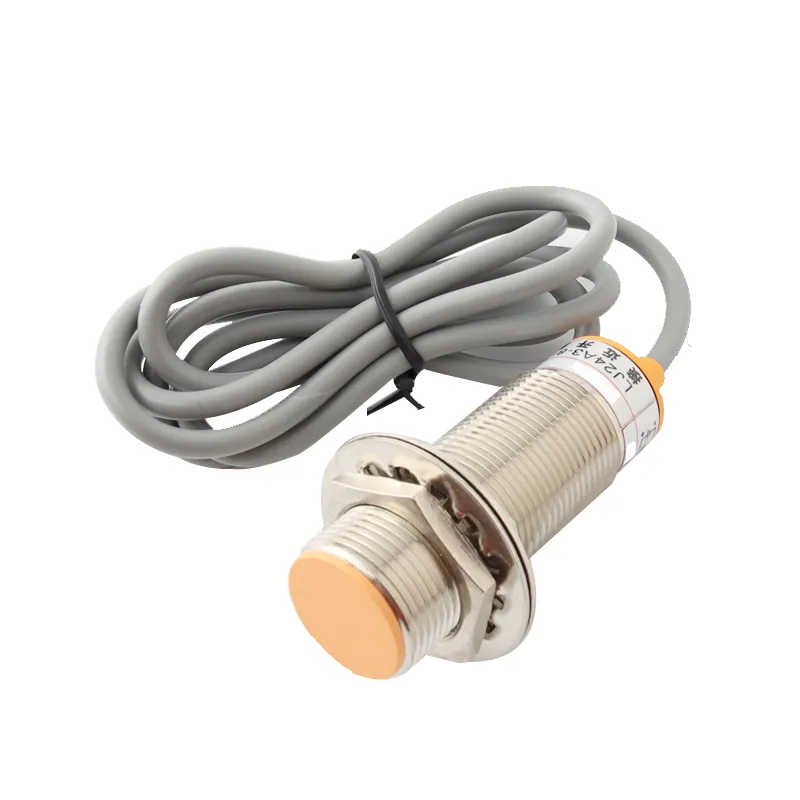
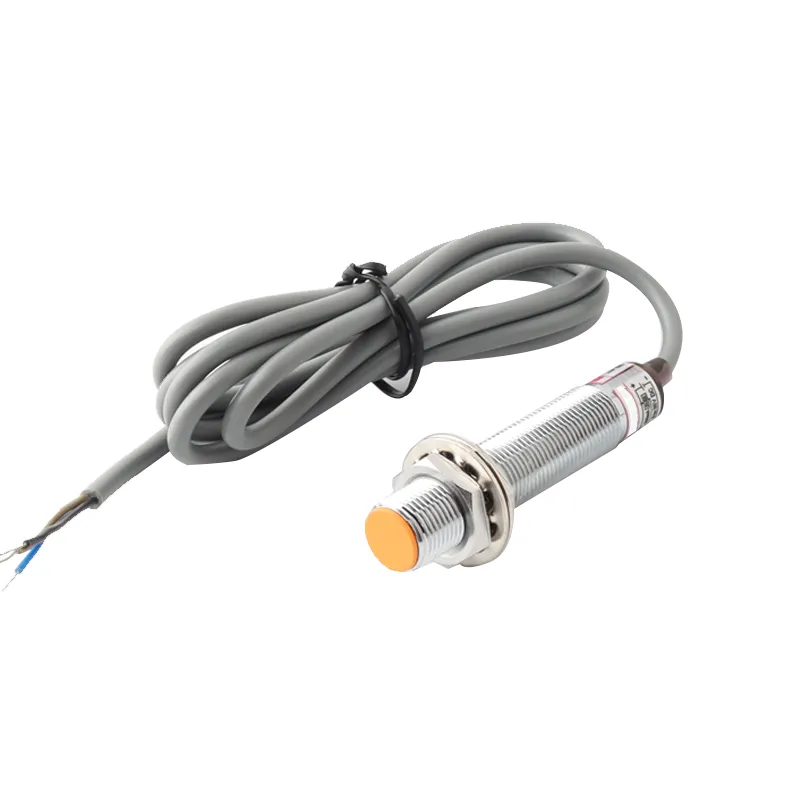
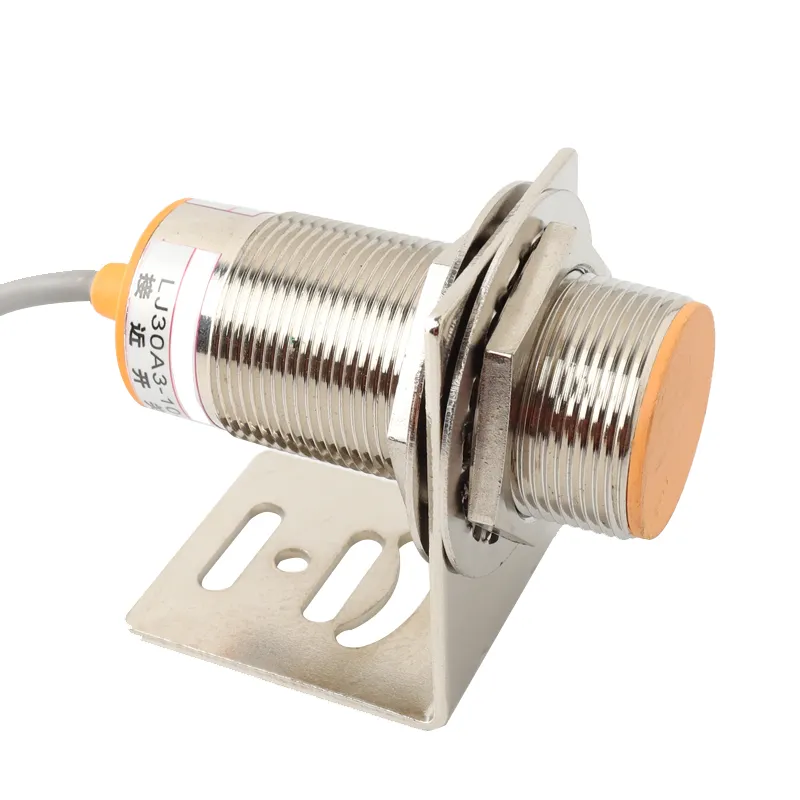
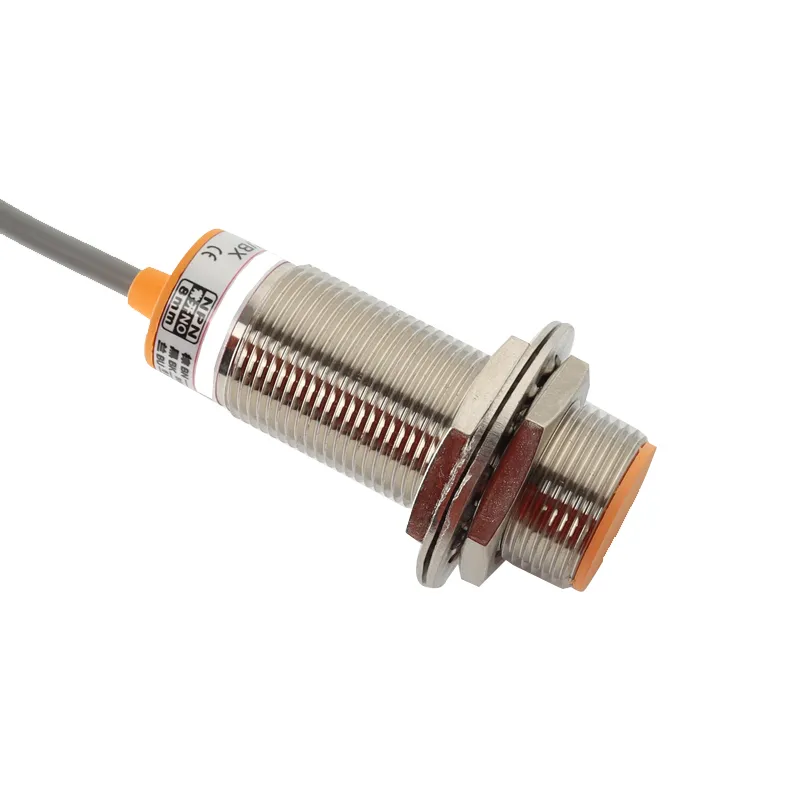
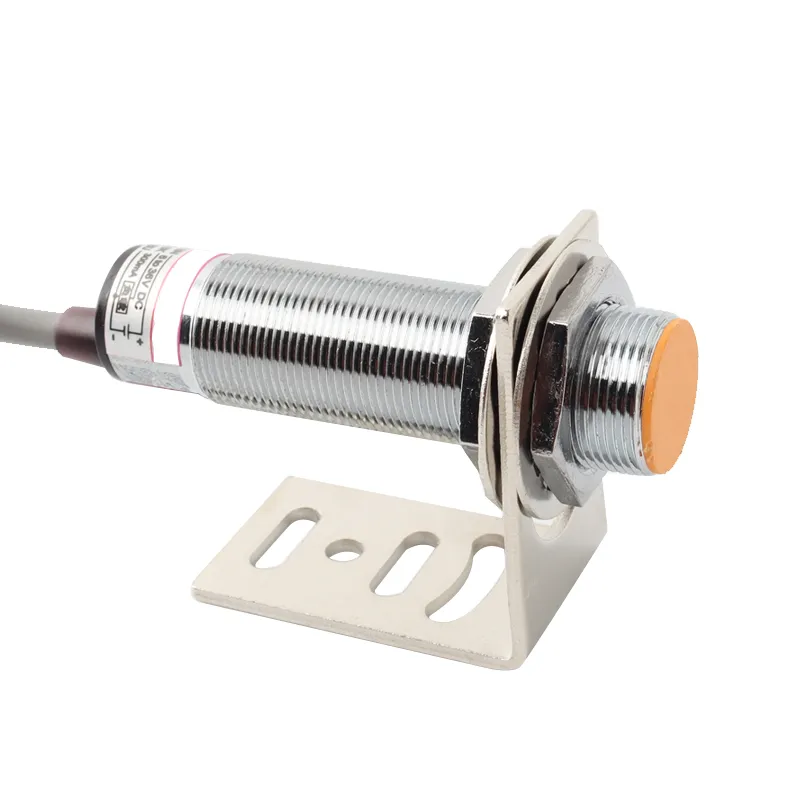
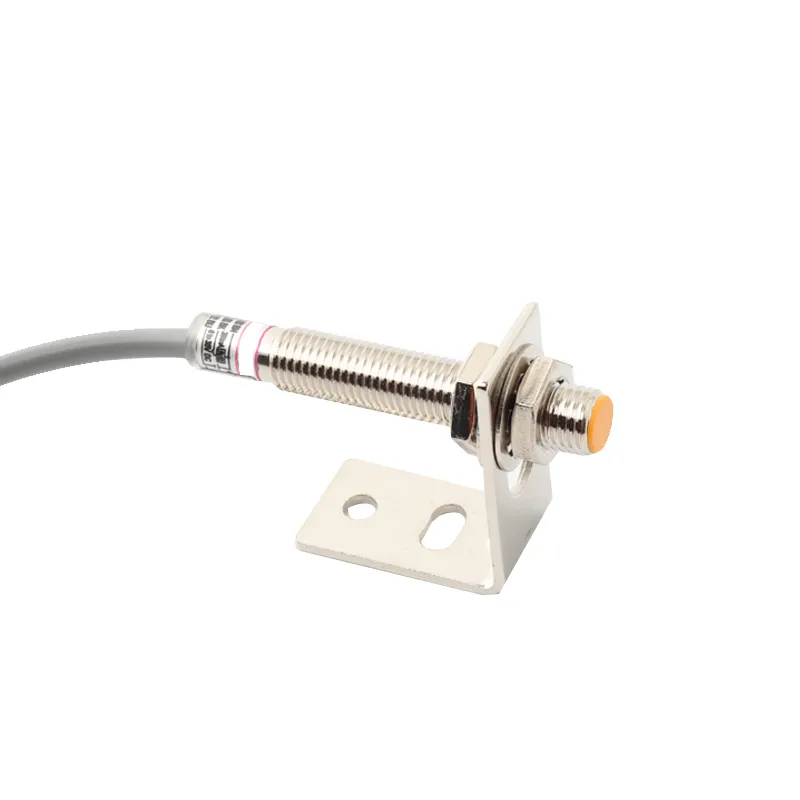
Willmall provides Proximity Sensor supply with common specifications and output methods, supporting equipment integration in electrically noisy industrial environments.

  • Complete range of common specifications and output methods for control system compatibility
  • Metal casing and reinforced structure for mechanical robustness in industrial mounting locations
  • Non-contact sensing principle to reduce wear mechanisms associated with physical actuation
  • Designed for complex electromagnetic environments commonly found near motors, drives, and switching devices
  • Enhanced protection and environmental adaptability for demanding site conditions
What is a Proximity Sensor?

A Proximity Sensor is an industrial sensor category used to detect the presence or position of a target without physical contact. Output signals are provided to a control system for logic, interlocking, counting, or positioning functions.

How does a Proximity Sensor operate without contact?

A Proximity Sensor uses a sensing principle that responds to a target entering a defined detection zone. The sensor converts that change into an electrical output, enabling detection without mechanical actuation.

Which output method should be selected for a Proximity Sensor?

Output method selection depends on the required interface of the control system input, the wiring method, and the expected signal behavior. The Proximity Sensor range includes common output methods intended for standard industrial control inputs.

Where is a Proximity Sensor commonly installed?

Proximity Sensor installation is common on machinery frames, fixtures, conveyor systems, end-of-travel points, and automated handling equipment. Mounting location is typically chosen to keep the target within the designed sensing area and to protect the cable routing

When is a Proximity Sensor suitable for electromagnetically noisy environments?

A Proximity Sensor is suitable when the installation area includes sources such as motors, inverters, contactors, or switching power components that may introduce electromagnetic interference. Integration should follow standard industrial wiring practices to reduce noise coupling into signal lines.

+86-19730226757 Phone sales@wilmall.com E-mail Chat on WhatsApp WhatsApp