근접 센서
꼭 알아야 할 근접 스위치 센서의 주요 메커니즘
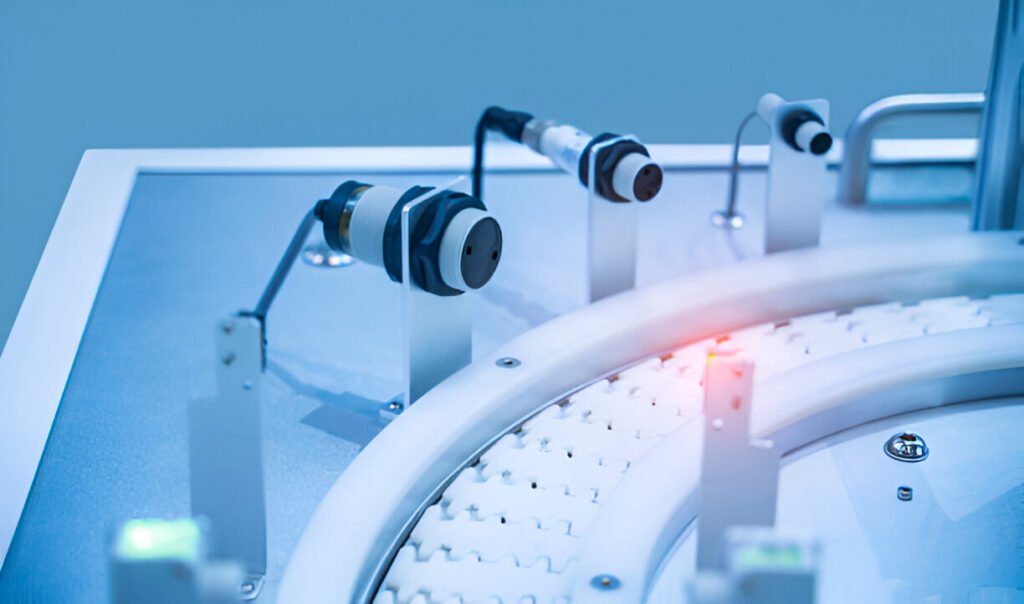
공장의 기계가 실제로 물체를 만지지 않고 어떻게 물체를 '인식'하는지 궁금한 적이 있으신가요? 바로 근접 스위치 센서의 마법입니다. 근접 스위치 센서는 물리적 접촉 없이 주변 물체의 존재를 감지하도록 설계된 전자 장치입니다. 근접 센서가 컨베이어 벨트 위의 제품을 정확하게 감지하는 생산 라인을 상상해 보세요....
자세히 보기

Inductive proximity switches might sound like something out of a sci-fi movie, but they’re actually a cornerstone of modern automation. Ever wondered how machines “sense” objects without touching them? That’s where these little marvels come into play. In this article, we’ll dive deep into the world of inductive proximity switches, breaking down what they are, how they work, and why they’re so important. Ready to geek out? Let’s go!
—
An inductive proximity switch is a non-contact sensor that detects metallic objects without physical interaction. Think of it as a silent guardian that keeps an eye on things—literally. It’s widely used in industrial automation, robotics, and even everyday appliances.
At its core, an inductive proximity switch uses electromagnetic fields to detect metallic objects. When a metal object enters its sensing range, it disrupts the electromagnetic field, triggering the switch. It’s like a game of hide-and-seek, but with magnets and metal!
The switch generates an oscillating magnetic field. When a metal object enters this field, eddy currents are induced in the object, causing a change in the oscillation. This change is detected by the switch, which then sends a signal.
Let’s break it down:
1. Oscillator: Generates the electromagnetic field.
2. Coil: Creates the magnetic field.
3. Detection Circuit: Monitors changes in the field.
4. Output Circuit: Sends the signal when an object is detected.
Not all inductive proximity switches are created equal. Here are the main types:
1. Shielded: Ideal for tight spaces, with a focused sensing range.
2. Unshielded: Offers a wider sensing range but requires more space.
3. High-Temperature: Designed for extreme environments.
These switches are everywhere! From conveyor belts in factories to elevators in buildings, they play a crucial role in automation. They’re also used in:
– Automotive assembly lines
– Packaging machinery
- 로봇 공학
– Security systems
Why are they so popular? Here’s why:
비접촉식 작동
높은 신뢰성
빠른 응답 시간
They’re not perfect, though. Here are a few drawbacks:
금속으로 제한
Sensing range
Picking the right switch can be tricky. Consider:
Sensing range
환경
출력 유형
Installing an inductive proximity switch is straightforward, but here are some tips:
Mount securely
Check alignment
Regular cleaning
The future looks bright! Expect:
Miniaturization
Smart sensors
Enhanced materials
—
Inductive proximity switches are the unsung heroes of automation, quietly making our lives easier. Whether it’s in a factory, a car, or even your home, these devices are everywhere, doing their job with precision and reliability. As technology advances, we can only expect them to get smarter, smaller, and more efficient. So, the next time you see a machine “magically” detect an object, you’ll know the science behind it!
—
Inductive proximity switches can only detect metallic objects, such as steel, aluminum, and copper.
Yes, some models are designed to work in wet or underwater environments, but always check the IP rating before use.
With no moving parts, these switches can last for years, often exceeding 100,000 hours of operation.
No, inductive proximity switches are specifically designed for metallic objects. For non-metallic detection, consider capacitive proximity switches.
Shielded switches have a focused sensing range and are ideal for tight spaces, while unshielded switches offer a wider range but require more installation space.
공장의 기계가 실제로 물체를 만지지 않고 어떻게 물체를 '인식'하는지 궁금한 적이 있으신가요? 바로 근접 스위치 센서의 마법입니다. 근접 스위치 센서는 물리적 접촉 없이 주변 물체의 존재를 감지하도록 설계된 전자 장치입니다. 근접 센서가 컨베이어 벨트 위의 제품을 정확하게 감지하는 생산 라인을 상상해 보세요....
자세히 보기
만지지 않고도 물체를 감지할 수 있는 디바이스를 상상해 보세요. 공상 과학 영화에서나 나올 법한 이야기 같죠? 정전식 근접 스위치 센서는 현실 세계에서 이를 가능하게 합니다! 이 영리한 장치는 스마트폰 화면부터 산업 자동화 시스템에 이르기까지 어디에나 있습니다. 하지만 어떻게 작동하며 왜 관심을 가져야 할까요? [...]
자세히 보기
근접 스위치 센서는 공상 과학 영화에나 나올 법한 이야기처럼 들릴 수 있지만, 사실 우리 일상 기술의 중요한 부분입니다. 스마트폰부터 산업 기계에 이르기까지, 이 작은 장치는 보이지 않는 곳에서 작동하여 삶을 더 원활하고 안전하게 만들어 줍니다. 하지만 정확히 무엇이며 어떻게 작동할까요? 자세히 알아보고 [...]
자세히 보기