







Aviation Connector Socket Plug Male Female Guide with Specs and Types
If you’re looking to ensure flawless electrical connections in demanding environments, understanding aviation connector socket plug male female distinctions is a must. These rugged, circular connectors aren’t just industrial staples—they’re critical for safety, durability, and performance in everything from machinery to automation. Whether you’re choosing between a male plug or a female socket, or comparing waterproof ratings and pin counts, getting it right means avoiding costly mismatches and connection failures. In this quick guide, we’ll break down exactly what you need to know so you can pick the perfect aviation connectors for your project and trust they’ll last. Let’s get started!
What Are Aviation Connectors?
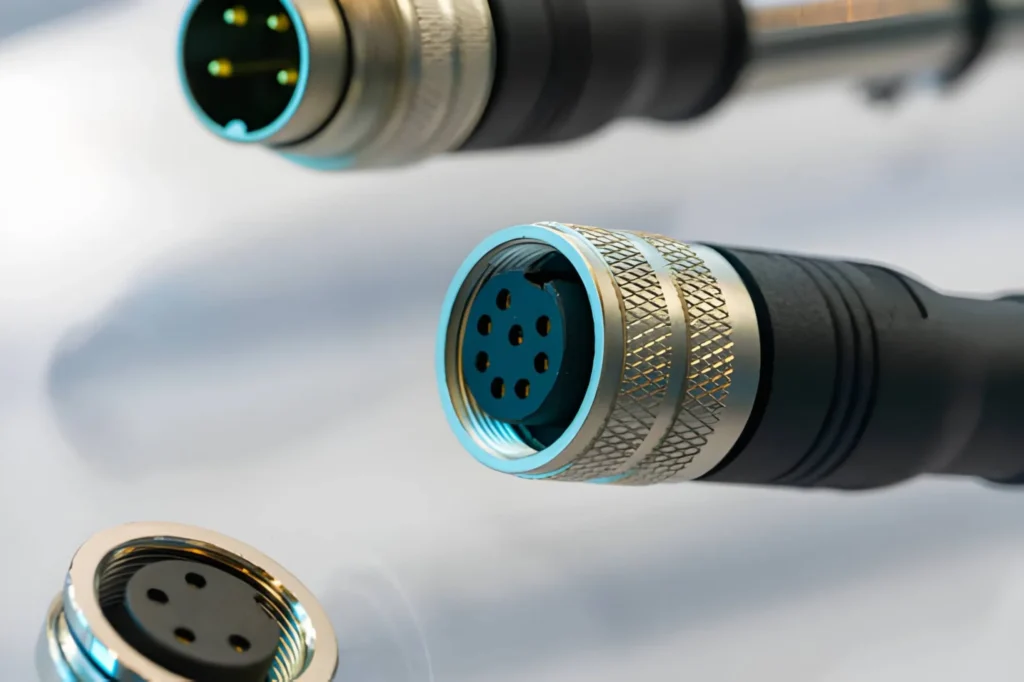
Aviation connectors originally emerged from the aerospace industry, designed for demanding environments where secure, reliable connections are critical. Over time, their use has expanded far beyond aviation to cover a wide range of industrial applications, from machinery and automation to LED lighting and electronics.
These connectors feature a circular design that makes them easy to handle and quick to connect. Typically, they use either threaded or bayonet coupling mechanisms to ensure a strong, vibration-resistant fit. Their durable bodies are made from sturdy metal or high-quality plastic, built to withstand harsh conditions.
Popular series like the GX12, GX16, and GX20 circular aviation connectors are world-renowned for their reliability and versatility. Many models also offer waterproof aviation connectors rated IP67 or higher, ideal for outdoor or moisture-prone environments.
Compared to standard connectors, aviation connectors provide several advantages:
- High vibration resistance prevents accidental disconnections in moving equipment.
- Strong environmental protection, including moisture and dust sealing.
- Robust construction for long-term durability.
These features make circular aviation connectors the go-to choice in industries where safety and consistent performance are non-negotiable.
Aviation Plug vs. Socket: Core Differences
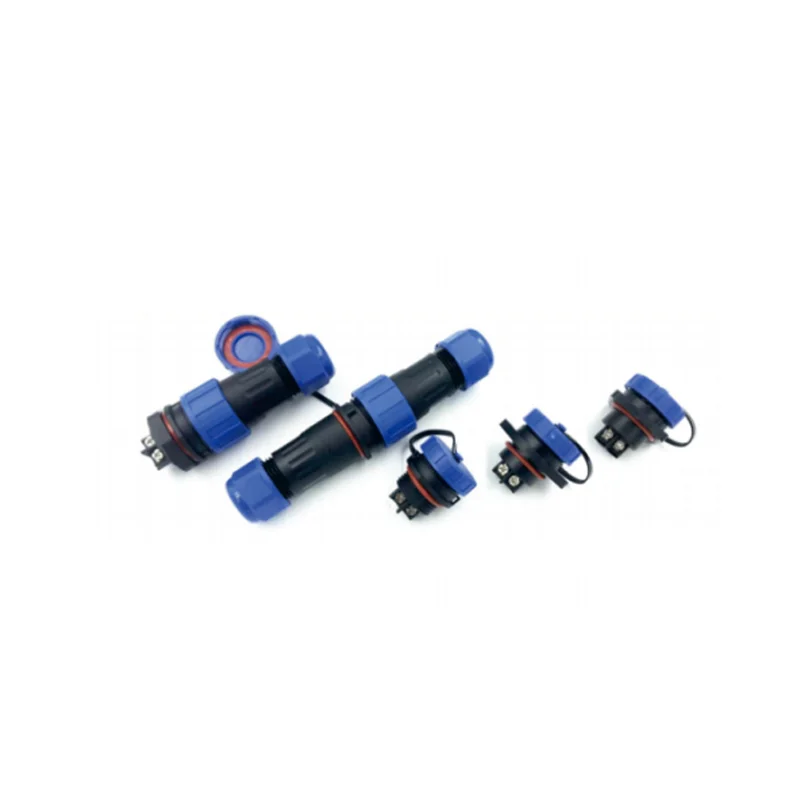
Understanding the difference between an aviation plug and socket is crucial when working with aviation connector socket plugs male female sets.
| Recurso | Plugue de aviação | Aviation Socket |
|---|---|---|
| Função | Usually cable-end or movable part | Typically panel-mounted or fixed part |
| Contacts | Solid pins (male) | Hollow contacts (female) |
| Mounting | Attached to cables | Mounted on devices or panels |
| Conexão | Inserts into socket for secure fit | Receives plug and locks it in place |
| Visual ID | Often cylindrical with pin contacts | Circular with holes matching pins |
Plugs connect by pushing into the socket, creating a secure, stable contact—often reinforced by threaded or bayonet locking mechanisms. This design prevents accidental disconnection and ensures vibration resistance, a key advantage of circular aviation connectors.
Installation tips:
- Always check the alignment marks when mating a plug and socket.
- Ensure the plug’s pins match the socket’s holes before locking.
- For panel mounts, secure the socket firmly to avoid movement.
For practical examples and connectors with panel mounts, you might find the range of panel mount aviation sockets especially useful.
Male vs. Female Aviation Connectors: Detailed Breakdown
Male and female aviation connectors serve different but complementary roles in industrial and electronic setups.
- Male aviation connectors (plugs) usually have solid pins and are commonly cable-mounted. These pins fit into corresponding female sockets to establish a secure electrical connection. Because the pins are exposed, they require careful handling to avoid damage or accidental short circuits.
- Female aviation connectors (sockets), on the other hand, feature hollow contacts or holes that receive the male pins. These are often mounted on panels or fixed surfaces, providing a stable and protected connection point.
Safety considerations: Since male plugs have exposed pins, they should always be handled with attention to avoid bending or shorting, especially in environments prone to dust or moisture. Female sockets help protect the connections when not mated with their male counterparts.
Common configurations: Aviation connectors usually come in matched male-female sets, such as the popular GX16 or GX20 aviation plug and socket pairs, ensuring proper fit and optimal electrical contact.
For reliable paired male-female sets, it’s worth exploring dedicated ranges like wilmall’s SD13 series connectors that offer robust circular aviation connectors suitable for various industrial applications.
Key Specifications to Consider for Aviation Connector Socket Plug Male Female
When choosing aviation connector socket plugs—male or female—several key specs matter. Paying attention to these ensures you get reliable, secure connections suited to your needs.
Pin Counts and Typical Uses
- 2 to 9 pins are common in circular aviation connectors.
- Fewer pins (2-3) fit simple power or signal lines.
- More pins (5-9) handle multipin control or data transmission tasks.
| Pin Count | Typical Use |
|---|---|
| 2-3 | Power lines, simple signals |
| 4-6 | Mixed power & signal |
| 7-9 | Complex control/data |
Diameter Sizes and Mounting Requirements
- Popular aviation connector sizes: GX12 (12mm), GX16 (16mm), GX20 (20mm).
- Diameter size affects cable thickness and pin spacing.
- Mounting holes match outer diameter; panel cutouts must align with socket size.
Current and Voltage Ratings
- Usually rated between 3A to 10A per contact depending on pin size.
- Voltage ratings often cover up to 250V, suitable for industrial and automation use.
IP Ratings and Waterproof Benefits
- Many modern connectors come with IP67 or IP68 ratings, offering water and dust resistance.
- Waterproof aviation connectors protect sensitive electronics in harsh environments—outdoor, machinery, or LED lighting setups.
- IP67 means protection against temporary submersion; IP68 covers continuous immersion.
Materials: Metal vs. Plastic Shells & Contacts
- Metal shells (usually aluminum alloy) provide durability, EMI shielding, and better mechanical strength.
- Plastic shells are lightweight, corrosion-resistant, preferred for lightweight or less demanding settings.
- Contacts often have gold plating for corrosion resistance and better conductivity, especially in signal applications.
Choosing based on these specs helps you get the right circular aviation connector, whether for general industrial use or specialized waterproof applications. For more on industrial automation components that often use such connectors, see resources like our guide on industrial machinery equipment.
Types of Aviation Connectors
Aviation connectors come in several types to fit different needs. The most common are standard circular aviation connectors, known for their rugged circular design that ensures secure connections in industrial settings.
For outdoor or harsh environments, waterproof aviation connectors with IP67 or IP68 ratings are popular. These keep out dust and water, making them perfect for machinery exposed to rain or moisture.
You’ll find two main coupling styles: threaded aviation connectors, which twist and lock tightly for strong vibration resistance, and quick-lock (bayonet) connectors that snap together fast for easy installation and removal.
These connectors are widely used across many industries—from electronics e LED lighting systems to automation equipment and heavy machinery. Their durable construction and reliable connection make them a preferred choice for professionals needing dependable cables and plugs.
For more options on these reliable circular aviation connectors, check out the SD20 series aviation connector for versatile and waterproof models.
How to Choose the Right Aviation Connector
Picking the right aviation connector socket plug male female can make all the difference in your project’s performance and durability. Here’s a quick guide to help you choose smartly:
Step 1: Assess Your Pin Needs
- Pin count: Decide how many pins you need (2 to 9 pins are common). More pins mean more signals or power lines.
- Typical use: Fewer pins for power, more for data or complex control signals.
Step 2: Consider the Environment
- Indoor vs. outdoor: If your connection faces moisture, dirt, or vibration, go for a waterproof aviation connector with an IP67 or IP68 rating.
- Durabilidade: Metal shells offer better ruggedness; plastic is lighter but less tough.
- Coupling type: Threaded connectors provide a secure fit but take longer to connect; bayonet-style locks are faster and reliable too.
Step 3: Match Cable Gauge and Connector Size
- Match your cable thickness with the connector’s pin and shell size for proper fit and electrical safety. For example, GX16 and GX20 types are popular for thicker cables.
Step 4: Match Male and Female Pairs Correctly
- Male connectors have solid pins and usually connect to female sockets with hollow contacts.
- Avoid gender mismatch—always confirm compatibility to ensure a secure connection.
Step 5: Avoid Common Mistakes
- Don’t undersize current or voltage ratings. Overloading connectors leads to failures.
- Don’t buy separate parts without confirming matching specs.
- Avoid non-waterproof connectors if environment demands sealing.
Recommended Brands and Options
Wilmall offers a trusted range of circular aviation connectors, including waterproof aviation plug connectors perfect for industrial and outdoor use. Their lineup covers GX12, GX16, GX20 series with durable metal shells and reliable IP67 protection. Check out Wilmall’s circular aviation connectors for quality options that fit various applications.
| Step | What to Check | Tips |
|---|---|---|
| Pin count | Number of pins needed | 2-9 pins typically |
| Environmental rating | IP67/IP68 for waterproofing | Essential for outdoor use |
| Material | Metal vs. plastic shell | Metal for ruggedness |
| Coupling | Threaded or bayonet | Threaded = secure, bayonet= quick |
| Cable gauge | Match cable size to connector pins | Prevent loose connections |
Choosing the right aviation connector means balancing your technical needs with environmental demands—doing this ensures safe, long-lasting connections. For more details and to explore reliable male-female aviation plug/socket pairs, visit Wilmall’s aviation connector collection.
Installation and Wiring Guide for Aviation Connector Socket Plug Male Female
Installing and wiring aviation connectors properly is key to ensuring a reliable, secure connection that lasts. Here’s a simple guide to help you with aviation plug connectors, whether male or female, and get the job done right.
Tools Needed: Soldering vs. Crimping
- Soldering iron: Ideal for a solid, permanent connection, especially with fine wires. Requires some experience to avoid cold joints.
- Crimping tool: Faster and cleaner for industrial uses, especially with thicker cables. Look for crimps designed for aviation connector pins.
Step-by-Step Wiring for Male and Female Ends
- Prepare the cable: Strip the cable jacket carefully to expose the wires without damaging the insulation.
- Identify pins: Check the connector’s pin layout (2-pin to 9-pin common options) to wire correctly.
- Attach wires:
- For male plugs (with solid pins), solder or crimp wires to the pins on the plug side.
- For female sockets (with hollow contacts), repeat the same wiring steps on the socket side, making sure the contacts are clean before connecting.
- Assemble connector: Carefully insert and secure the connector housing, locking the threaded or bayonet coupling as needed.
- Panel mount sockets: When installing panel-mount aviation sockets, fix the socket with screws to the mounting plate for a stable setup.
Testing for Secure Connections
- Use a multimeter to check continuity between pins on the coupled male and female connectors.
- Perform a gentle pull test on cable ends to ensure wires won’t loosen.
- Inspect for bent pins or misalignment before full device integration.
Maintenance Tips for Longevity
- Regularly inspect connectors for corrosion or dirt; clean with contact cleaner especially on outdoor or industrial waterproof aviation connectors.
- Tighten couplings and check seals on IP67/IP68 rated connectors to maintain water and dust resistance.
- Store unused connectors with dust caps to protect pins and sockets.
Following these steps will help your aviation connector socket plug male female pairs deliver strong, lasting performance whether you’re working on industrial machinery, electronics, or LED lighting systems. For extra durability in harsh environments, consider waterproof aviation connectors like those available at Wilmall, which also offers robust cable glands and accessories to complete your wiring setup.
Check out options such as the brass corrosion-resistant cable gland for added protection and professional-grade cable management.
Troubleshooting Common Issues with Aviation Connectors
Connection problems are one of the most frequent issues with aviation connector socket plug male female sets. Over time, non-waterproof models can suffer from corrosion or dirt buildup, causing unreliable signals or power loss. This usually happens in harsh environments where moisture or dust seeps into the connector.
To avoid these issues, consider upgrading to waterproof aviation connectors with IP67 or IP68 ratings. These models provide tight sealing against water and dust, dramatically improving longevity and connection reliability.
Here are some quick tips for troubleshooting and maintenance:
- Inspect connections regularly for signs of corrosion, bent pins, or loose fittings.
- Clean exposed contacts gently using isopropyl alcohol and a soft brush.
- Replace damaged connectors instead of forcing faulty connections.
- Ensure cables and connectors are properly mated and tightened, especially with threaded aviation connectors.
- Use dielectric grease on contacts if exposure to moisture is expected.
Following these safety best practices keeps your industrial circular plug or panel mount aviation socket working smoothly and reduces downtime. For rugged industrial environments, relying on high-quality connectors like those offered in Wilmall’s range of waterproof aviation connectors ensures better performance with less hassle over time.
FAQs About Aviation Connector Socket Plug Male Female
What is the difference between male and female aviation connectors?
Male aviation connectors (plugs) have solid pins and are usually cable-mounted, while female connectors (sockets) feature hollow holes and are often panel-mounted. They’re designed to mate securely, ensuring safe and reliable connections.
Are all aviation connectors waterproof?
No, not all aviation connectors are waterproof. Many standard circular aviation connectors are not sealed against water or dust. For outdoor or industrial use, waterproof aviation connectors with IP67 or IP68 ratings are recommended to prevent corrosion and connection failures.
How do I identify plug vs. socket?
The aviation plug is typically the movable connector attached to a cable and will have either male pins or female contacts depending on its type. The socket is usually fixed, panel-mounted, and designed to receive the plug. Visual cues like the presence of exposed pins (male) versus holes (female) help identify them.
What is the best pin count for power vs. signal applications?
For power delivery, fewer pins (often 2 to 4) with higher current ratings are common. Signal or data transmission typically requires more pins—up to 9 or more—to handle multiple circuit connections. Choose pins based on your power needs and the complexity of signals.
Where can I buy reliable paired male-female aviation connector sets?
Reliable paired sets can be found from specialist suppliers offering industrial circular plugs, like the variety at Wilmall. They stock a range of waterproof and standard aviation connectors, including popular sizes like GX16 and GX20, ideal for various applications. Check out Wilmall’s capacitive proximity switches that complement these connectors in automation setups.
Understanding these basics helps you pick the right circular aviation connectors for your devices, ensuring safe, durable, and efficient connections.