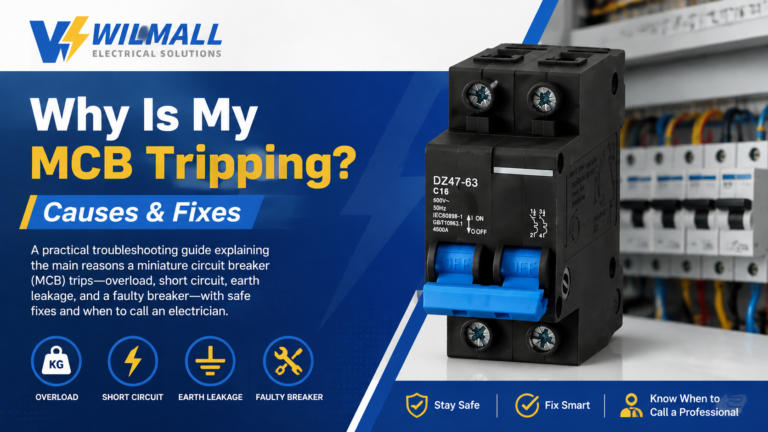







Why Is My MCB Tripping? Causes & Fixes
Your MCB trips for four main reasons: overload, short circuit, earth leakage, or a faulty breaker. This guide explains each cause, how to find it, and how to fix it safely.
Read More
If you’re working in hazardous industries like oil and gas or chemical processing, you already know how critical safety and reliability are when controlling heavy machinery. An explosion proof pendant control station isn’t just another control device—it’s a lifesaver designed to operate safely in explosive atmospheres where sparks or arcs could lead to disaster. In this guide, you’ll discover why choosing the right explosion-proof pendant is essential for compliance and protection, what to look for in certifications and features, and how to find customizable solutions tailored to your needs. Let’s get straight to the core of keeping your operations safe and efficient.
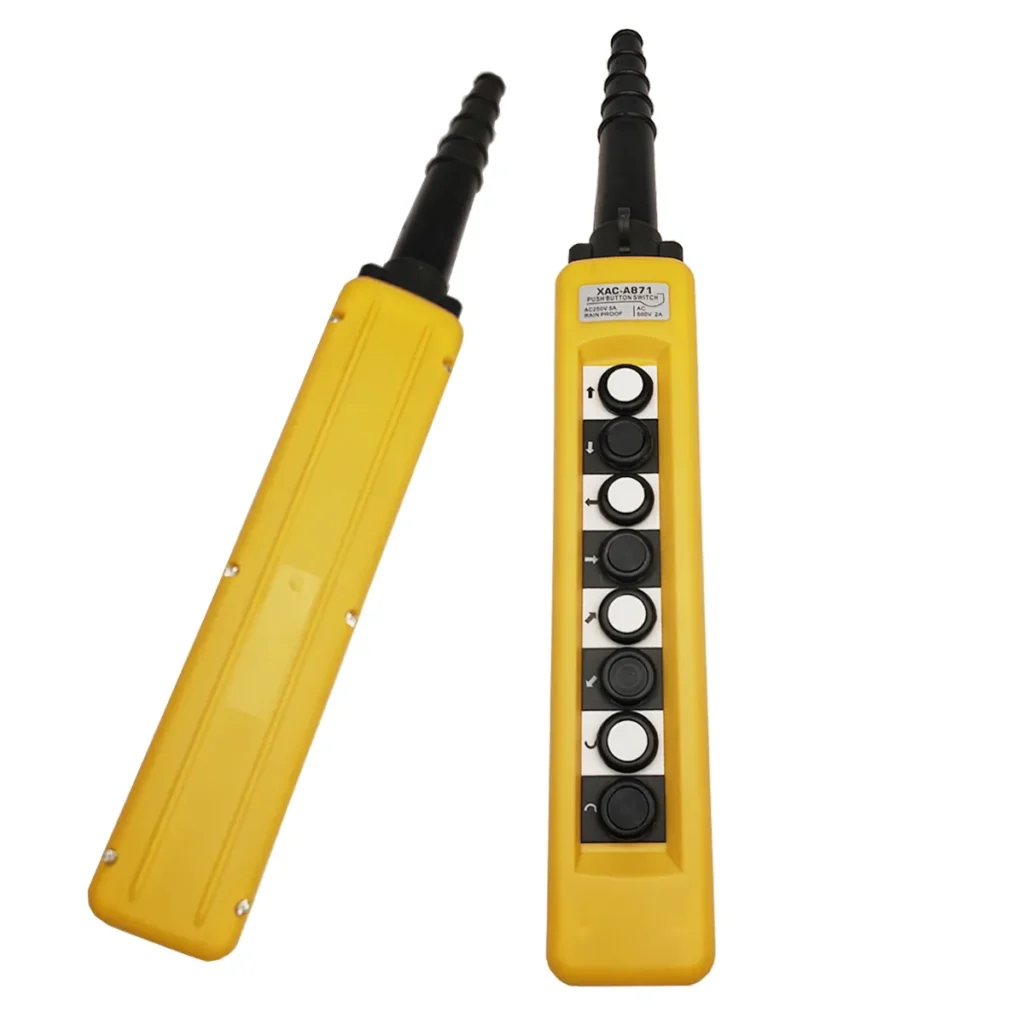
En explosion-proof pendant control station is a handheld pushbutton device designed to remotely control industrial equipment such as cranes, hoists, and machinery in hazardous environments. Unlike standard pendant stations, these units are specifically built to prevent ignition of explosive gases, vapors, or dusts that may be present around the device.
| Característica | Explosion-Proof Pendant Control Station | Standard Pendant Station |
|---|---|---|
| Propósito | Remote control in hazardous areas | Remote control in safe/non-hazardous areas |
| Safety Design | Containment of sparks/arcs within a sealed enclosure | Basic casing, no spark containment |
| Materials & Construction | Robust metallic or composite enclosures (e.g., aluminum, stainless steel) | Lightweight plastics or metals |
| Certificaciones | Complies with ATEX, IECEx, NEC for hazardous zones | Usually no hazardous location certifications |
Explosion-proof control stations are engineered to contain any sparks or arcs generated inside the device, preventing them from igniting surrounding explosive atmospheres. This is achieved through:
This containment principle differentiates explosion-proof or Ex d pendant stations from intrinsically safe or non-certified controls, ensuring safe operation in zones classified as hazardous—like Zone 1 or Class I Division 1 areas.
In , an explosion-proof pendant control station offers reliable, safe remote control where flammable or combustible substances are present, safeguarding personnel and equipment through certified, rugged design.
Hazardous locations like oil rigs, chemical plants, and mines are loaded with invisible risks — flammable gases, vapors, and combustible dusts. A simple spark from standard equipment can trigger major explosions. That’s where explosion-proof pendant control stations come in.
Explosion-proof designs are built to:
Benefits include:
| Beneficio | Explanation |
|---|---|
| Seguridad | Minimized risk of fire or explosion |
| Regulatory Compliance | Meets ATEX, IECEx, NEC standards |
| Durabilidad | Robust against dust, moisture, and impacts |
| Fiabilidad | Consistent operation in volatile environments |
Common industries using explosion-proof pendants:
Choosing explosion-proof controls is a must where hazardous gases or dust pose ignition hazards. They keep your site safe and help meet strict global safety regulations—ensuring operators and equipment stay protected.
When it comes to explosion-proof pendant control stations, certifications are crucial to ensure safety and compliance in hazardous environments. In Europe and many international markets, ATEX y IECEx certifications are the standard. These cover protection requirements for Zone 1/2 (gas/vapor) and Zone 21/22 (dust) areas, confirming the device’s ability to prevent ignition in explosive atmospheres.
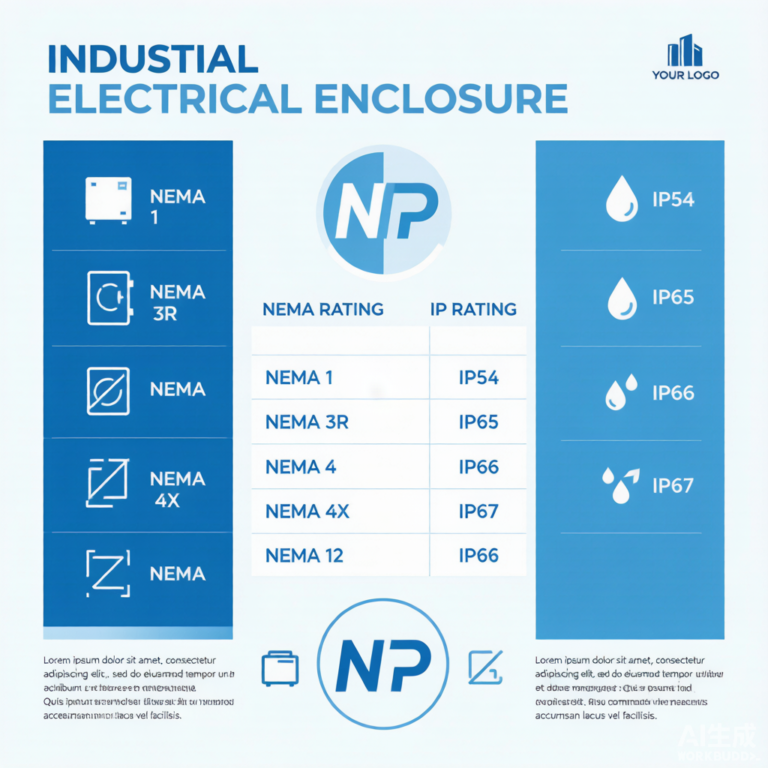
For North America, compliance typically involves adhering to NEC Class I Division 1/2 standards and Group C/D classifications. These define the types of gases or dusts present and the level of protection required. Beyond safety classifications, IP ratings are critical—they dictate the enclosure’s resistance to dust and water ingress, ensuring durability in harsh industrial settings.
Materials also matter. Explosion-proof pendant enclosures usually require robust metals like aluminum or stainless steel, or specialized composites meeting strict flameproof criteria, supporting their IP and certification claims.
To maintain compliance globally, it’s essential to:
For industrial applications needing reliable, certified solutions, exploring accessories like stainless steel cable glands can also help maintain your system’s integrity under tough conditions. Check out specialized components such as stainless steel cable glands to complement your explosion-proof station installation.
These standards not only protect personnel and assets but also streamline regulatory approvals, making certified explosion-proof pendant controls essential for any hazardous area operation.
When choosing an explosion-proof pendant control station, understanding key features and specs helps you pick the right fit for your hazardous area needs.
| Característica | Detalles |
|---|---|
| Enclosure Materials | Aluminum, Glass Reinforced Polyester (GRP), Stainless Steel—chosen for corrosion resistance and durability in tough environments. |
| Button Configurations | Single or double-row layouts, usually 2 to 16 pushbuttons. Emergency stop buttons are common for added safety. |
| Actuation Types | Single-step (simple on/off) or double-step for multi-speed controls, allowing versatile operation of equipment. |
| Cable Entries & Seals | Multiple cable entry points with flameproof sealing to prevent gas or dust ingress. Often compatible with a variety of cable glands. |
| Ergonomic Design | Lightweight, handheld size with easy-to-press buttons to reduce operator fatigue during extended use. |
| Optional Add-Ons | Heaters for cold environments, custom engraved labels for easy identification, and key selectors for controlled access. |
High-quality materials like aluminum and stainless steel not only support explosion-proof certification but add to long-term reliability. For cable and connector compatibility, refer to Wilmall’s extensive range of aviation connectors and cable glands designed specifically for hazardous areas.
This combination of durable materials, configurable buttons, and thoughtful ergonomics makes the ex-proof pushbutton station an indispensable tool for safe industrial operations.
Explosion-proof pendant control stations come in various types to suit different industrial needs. Here’s a quick look at the main categories:
| Tipo | Descripción | Typical Use |
|---|---|---|
| Single-row models | One line of buttons (typically 2-8 buttons) | Simple remote control where fewer functions are needed |
| Double-row models | Two rows of buttons, allowing 10-16+ functions | Complex operations requiring multiple commands |
| Auxiliary control stations | Used in conjunction with other control units | Provide additional control functions to main systems |
| Direct control stations | Control equipment directly without intermediate devices | Crane and hoist operations where immediate response is critical |
| Compact models | Smaller size, lightweight design | Tight spaces and easy handheld use in limited areas |
| Heavy-duty variants | Rugged enclosures, often with stainless steel or aluminum | Harsh environments like mining or offshore oil rigs |
Many brands offer explosion-proof crane pendants and hazardous location push buttons with options for customization. Some models focus on ergonomic, lightweight designs, while others emphasize durability for extreme industrial conditions. Features like emergency stop buttons, double-step actuation for variable speed, and multi-button arrays are common.
If you’re exploring options, check out detailed specs on suppliers’ sites and compare ATEX-certified or IECEx explosion-proof pendant options designed for Zone 1 or Zone 21 hazardous locations.
For those interested in remote control accessories to pair with these stations, see our range of industrial remote control transmitter sets to enhance your solution.
Elegir bien explosion-proof pendant control station starts with understanding your hazardous area classification. Knowing the zone or division—like Zone 1, Zone 2, or Class I Div 1/2—helps ensure you pick a pendant designed to handle the specific risks, whether it’s flammable gases, vapors, or dust.
Consider these key factors:
Selecting a reliable model means matching your application needs with certified products that comply with ATEX, IECEx, or NEC standards. For more detailed tips on choosing industrial controls, check out our guide on practical information for industrial pendant control stations.
By carefully assessing these points, you’ll ensure safe, efficient operation tailored to your hazardous location demands.
Installing an explosion-proof pendant control station properly is critical for safety and performance in hazardous areas. Here are key best practices to follow:
Common Installation Pitfalls to Avoid
By following these guidelines, you can ensure your explosion-proof pendant control station remains safe, compliant, and reliable in demanding industrial environments.
Wilmall offers extensive customization for explosion-proof pendant control stations, ensuring your exact needs are met. Whether it’s tailored button layouts, specific enclosure materials, or various certifications like ATEX or IECEx, you can get a pendant station designed to fit your hazardous location requirements.
By partnering with Wilmall, you get access to technical expertise and flexible solutions ideal for both OEMs and direct users. Wilmall helps design and deliver explosion-proof crane pendants and pushbutton stations that integrate perfectly with your systems, simplifying installation and reducing downtime.
| Característica | Beneficio |
|---|---|
| Custom button arrangements | Precise control for your application |
| Multiple enclosure choices | Enhanced durability in harsh conditions |
| Global certification-ready | Smooth compliance for worldwide use |
| Optional accessories | Adapted to extreme or unique environments |
For tailored solutions that match your operational needs, Wilmall industrial remote control transmitters and receivers and expert support make upgrading or installing explosion-proof pendant control stations straightforward and reliable.
Here are quick answers to common questions about explosion-proof pendant control stations for hazardous environments:
| Question | Answer |
|---|---|
| Difference between explosion-proof and intrinsically safe? | Explosion-proof enclosures contain sparks/arcs inside a tough case to prevent ignition, while intrinsically safe devices limit electrical energy to prevent sparks altogether. Both are used in hazardous areas but suit different applications. |
| Can explosion-proof pendants be used with cranes and hoists? | Yes, explosion-proof pendants are widely compatible with industrial crane and hoist controls, including flameproof hoist pendants designed for safe remote operation in hazardous zones. |
| What warranty and service support is typically available? | Most suppliers, including specialists like Wilmall, offer warranties covering defects and provide ongoing service support to ensure long-term reliability and compliance. Customization and repair services are also common. |
| How to upgrade from standard pendant control stations? | Assess hazardous area classification, select an explosion-proof model with certified enclosure ratings, and ensure proper installation. Upgrading enhances operator safety and meets regulatory demands for hazardous sites. |
For more guidance on choosing the right model or customization options, exploring resources like Wilmall custom explosion-proof controls can be very helpful.