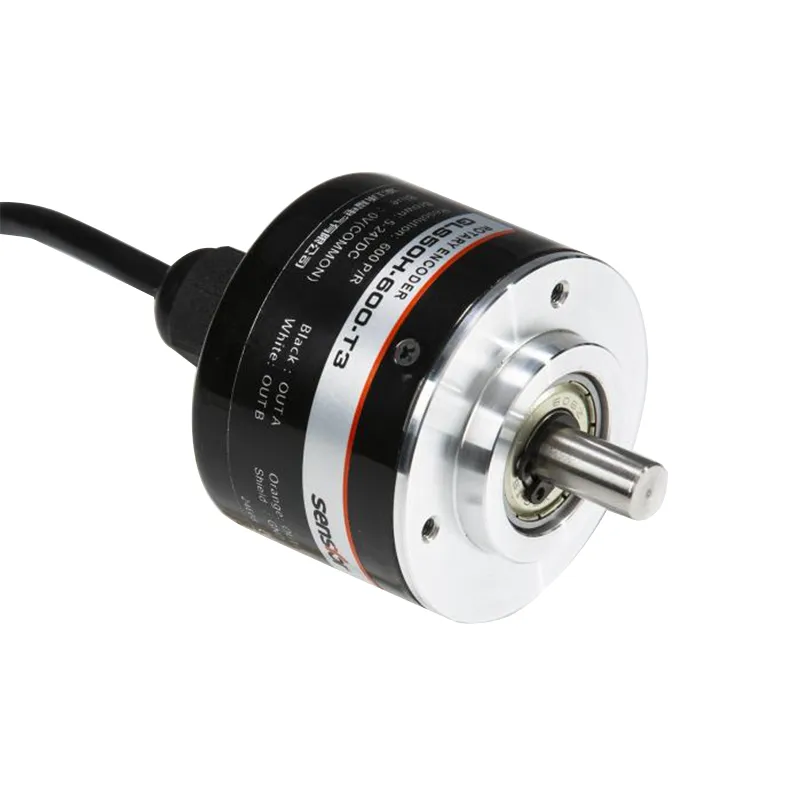
Willmall Rotary Encoder supply supports motion feedback needs with selectable resolution, shaft diameter, and mounting method options for PLC, driver, and controller integration.
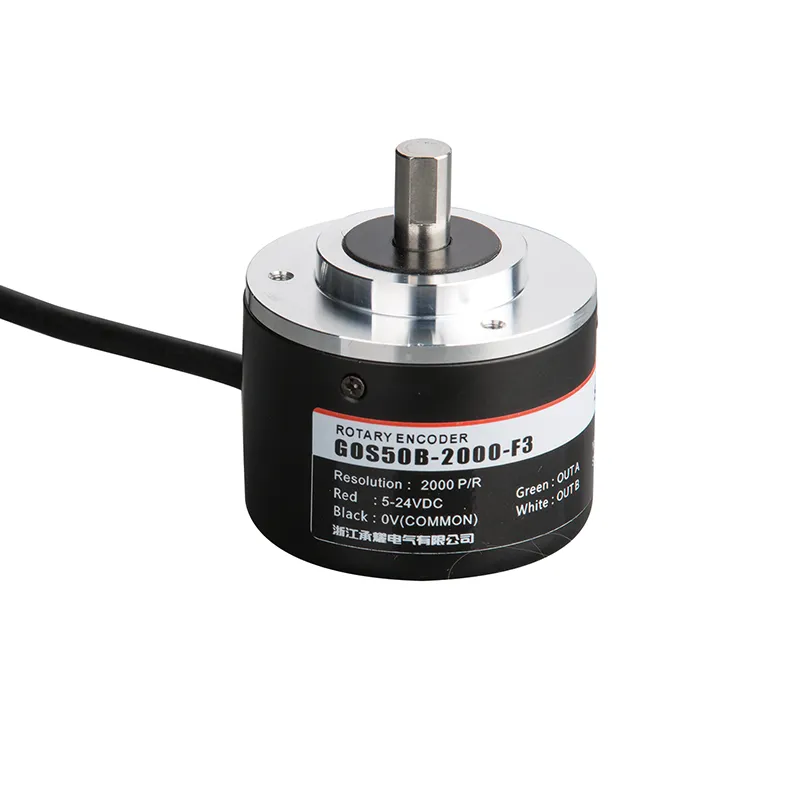
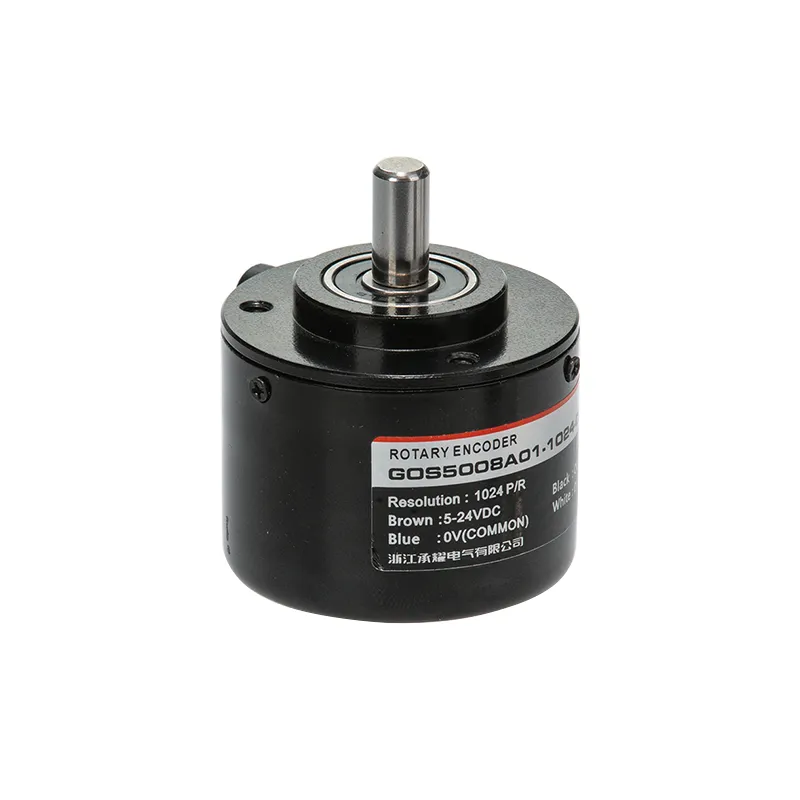
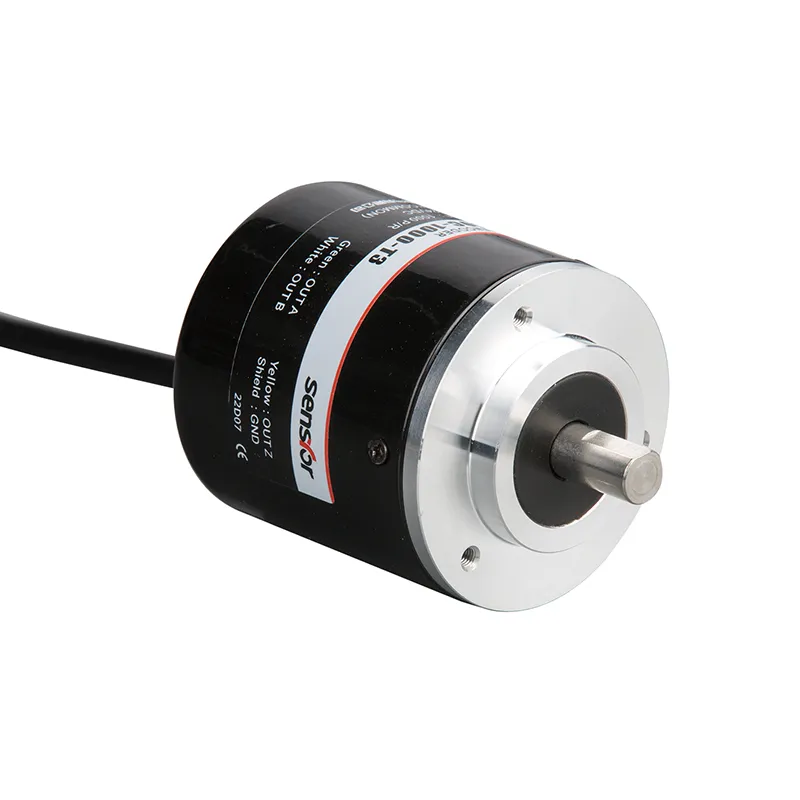
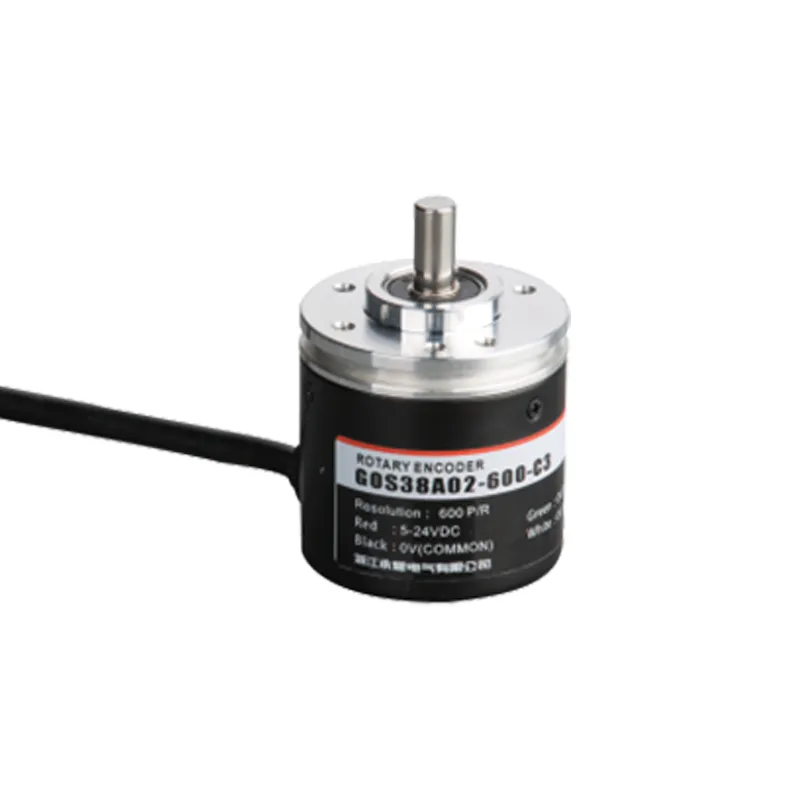
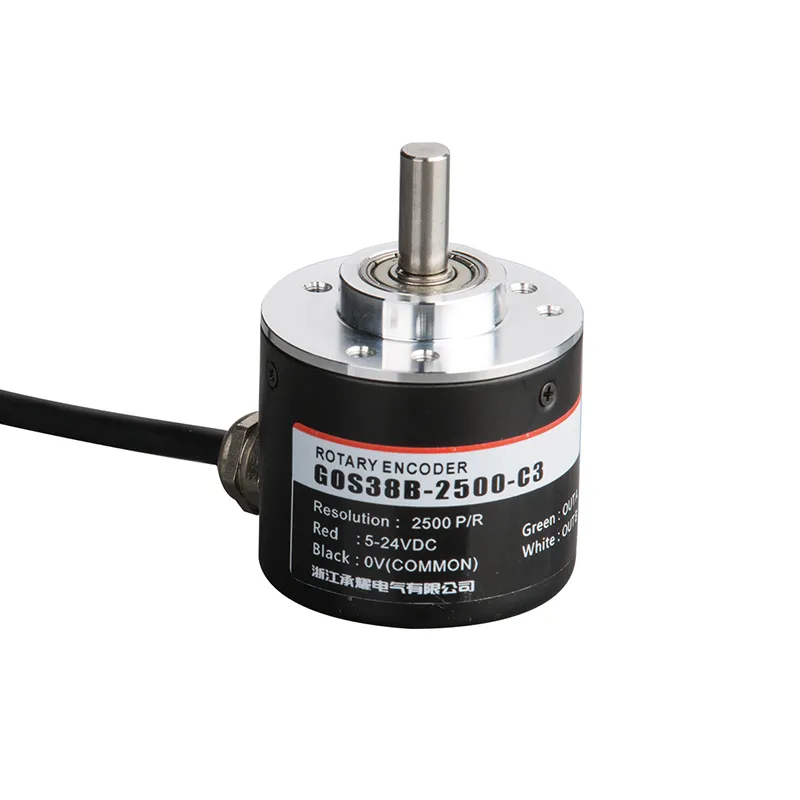
A Rotary Encoder is a sensor category that converts rotational motion into electrical output signals. Control systems use Rotary Encoder signals to determine position, speed, direction, or movement increments depending on the encoder type and system design.
A Rotary Encoder generates signal changes as the shaft rotates. A PLC, driver, or controller counts pulses or interprets output states to calculate motion variables, then uses that feedback for monitoring, interlocks, or closed-loop control functions.
Selection typically starts with required resolution and the mechanical interface. Resolution relates to feedback granularity, while shaft diameter and mounting method determine whether the Rotary Encoder can be installed on the target machine and aligned with couplings, brackets, and available space.
Installation generally prioritizes shaft alignment, secure mounting, and minimizing mechanical runout or vibration. Rotary Encoder mounting method and shaft diameter should match the machine interface, and cable routing should reduce strain and avoid contamination paths in dusty or oily areas.
A Rotary Encoder is suitable for dusty, oily, or humid environments when the operating conditions include particulates, lubricant exposure, or moisture that can affect sensors and wiring. Environmental suitability should be evaluated against the equipment location, cleaning methods, and the expected presence of oil mist, dust ingress, or condensation.
Send us your requirements list, and we'll prioritize matching inventory and provide a quote and delivery time.
Responderemos a su consulta en 24 horas
We use cookies to enhance your experience, analyze traffic, and for marketing purposes.