






Rotary Encoder Knob with Push Button and Detents
Wilmall supplies Rotary Encoder Knob for B2B buyers, wholesalers and exporters, with factory price, OEM/ODM, custom, private label and white label service.
Read More
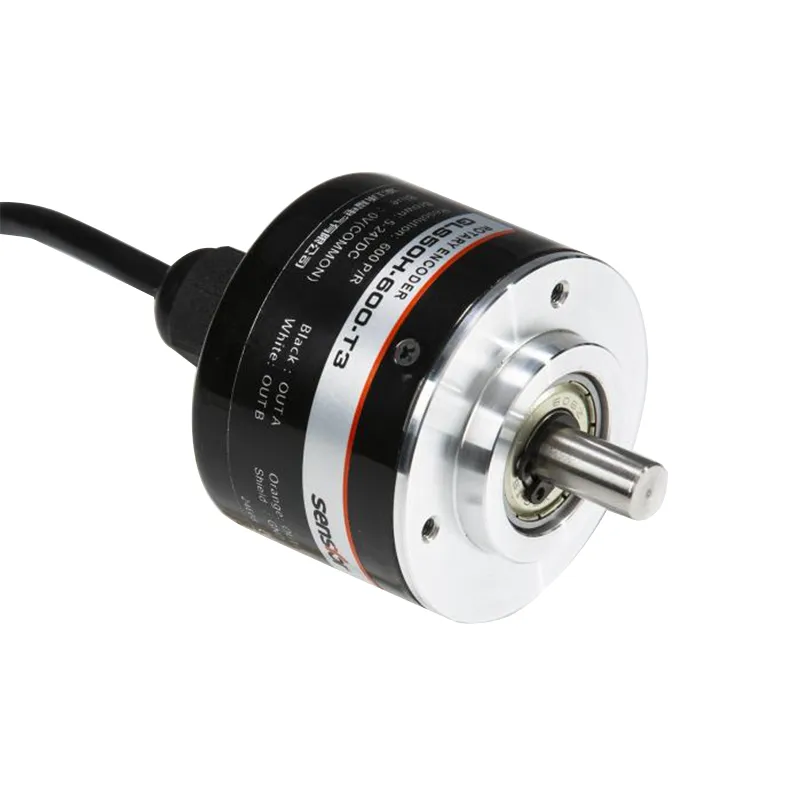
An Codeur rotatif incrémental is a sensor that detects the rotation of a shaft or axle and converts it into an electrical signal. It is widely used in industrial automation, robotics, and many other applications to provide precise position, speed, and direction feedback. Understanding the incremental rotary encoder is crucial for selecting the right encoder for your machinery or project.
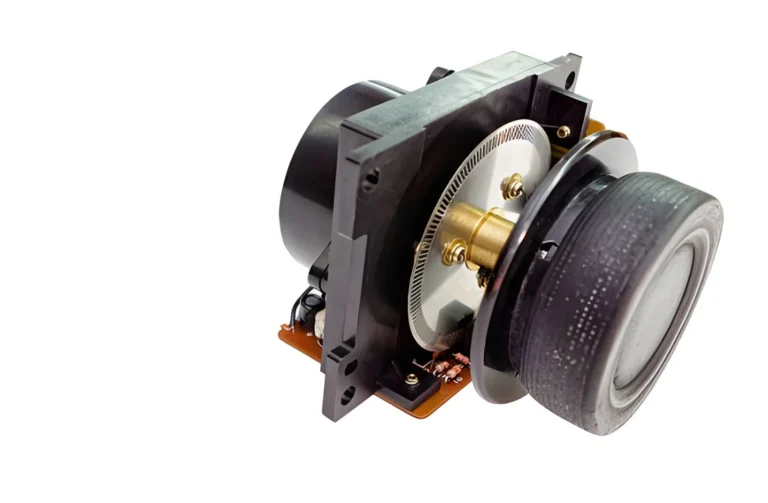
An incremental rotary encoder produces a series of electrical pulses as the encoder shaft rotates. These pulses correspond to increments of rotation and do not provide an absolute position but rather changes from a reference point. The encoder typically includes a disk with evenly spaced slots and a sensor that detects these slots as light or magnetic signals.
Key points include:
| Fonctionnalité | Description |
|---|---|
| Signal Output | Channels A, B (quadrature), and Z (index) |
| Type de sortie | Pulse signals representing rotation increments |
| Position Information | Relative position (incremental) |
| Direction Detection | Based on phase difference between A & B |
Unlike an absolute rotary encoder, which provides a unique position value at every point in a full rotation, an incremental encoder only indicates movement increment from its last position. Absolute encoders store position from power up, while incremental ones require a reference point.
| Fonctionnalité | Codeur incrémental | Codeur absolu |
|---|---|---|
| Position Reference | Relative to a starting point | Absolute position at all times |
| Power Loss | Position lost without a reference pulse | Position retained after power loss |
| Complexity | Simpler design | More complex electronics |
| Coût | Generally cheaper | Typically more expensive |
Incremental rotary encoders are versatile and used in various fields:
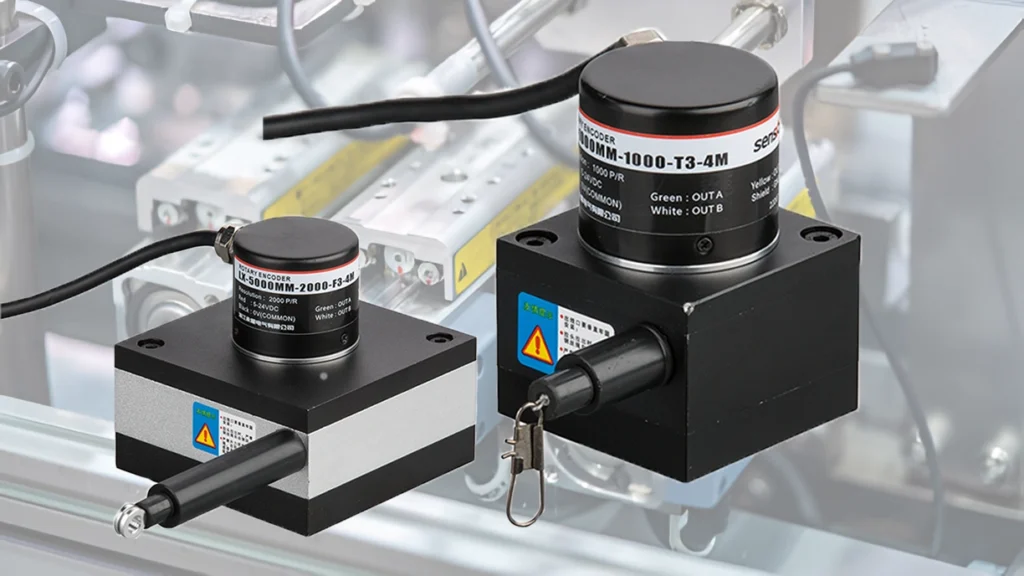
Ready for accurate position feedback? Explore our incremental rotary encoders and request a quote now!
Understanding key parameters will help in choosing the right encoder for your application:
| Paramètres | Description |
|---|---|
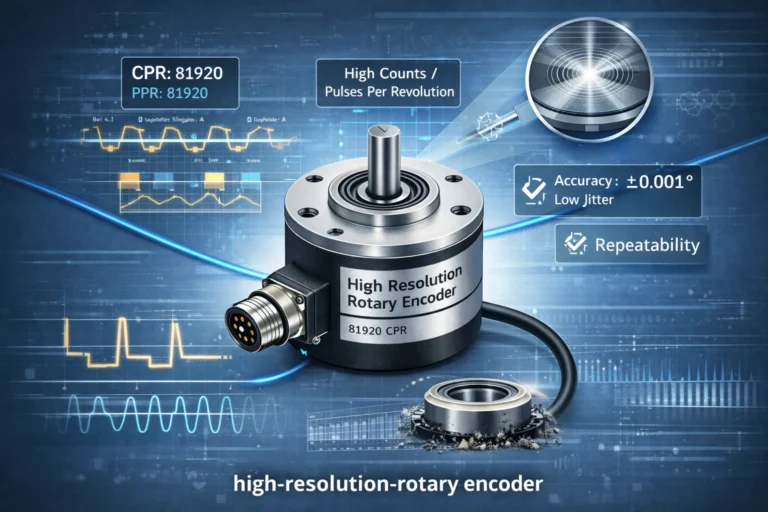
| Résolution (PPR) | Pulses per revolution, determines precision |
| Maximum Speed | Highest allowable shaft rotational speed |
| Type de signal de sortie | Voltage level and waveform type (TTL, etc.) |
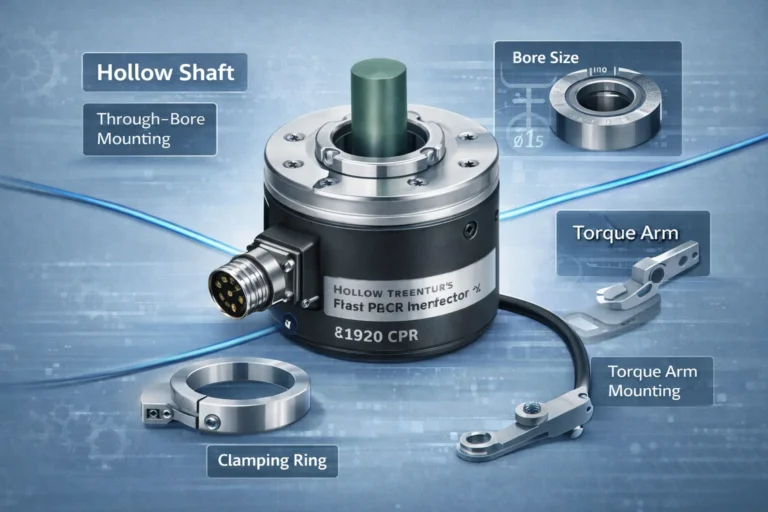
| Diamètre de l'arbre | Physical size to fit the device |
| Indice de protection | Resistance to dust, moisture (IP ratings) |
Consider the following when selecting:
Future Trends and Market Outlook
With Industry 4.0, smart incremental encoder are gaining traction, offering higher resolution and integration with IoT for predictive maintenance. The demand is expected to rise in robotics, automotive, and smart manufacturing sectors.
Incremental rotary encoder are fundamental components in modern industrial and electronic applications. They offer reliable, cost-effective solutions for rotary position and speed feedback. Understanding their operating principles, differences from absolute encoders, and selecting the right specifications ensures optimal performance. If you need tailored rotary encoder solutions, feel free to reach out for expert advice and customized products.
No, it requires a homing signal or reference pulse to recalibrate position upon restart.
Channels A and B provide pulses with a phase shift to detect rotation direction; Z gives an index pulse once per revolution.
Higher resolution means better precision but may increase cost; select based on your control needs.
By analyzing which of A or B pulses leads, you can infer the direction of rotation.
Signal loss due to dirt, mechanical wear, or electrical noise; regular maintenance helps prevent failure.