
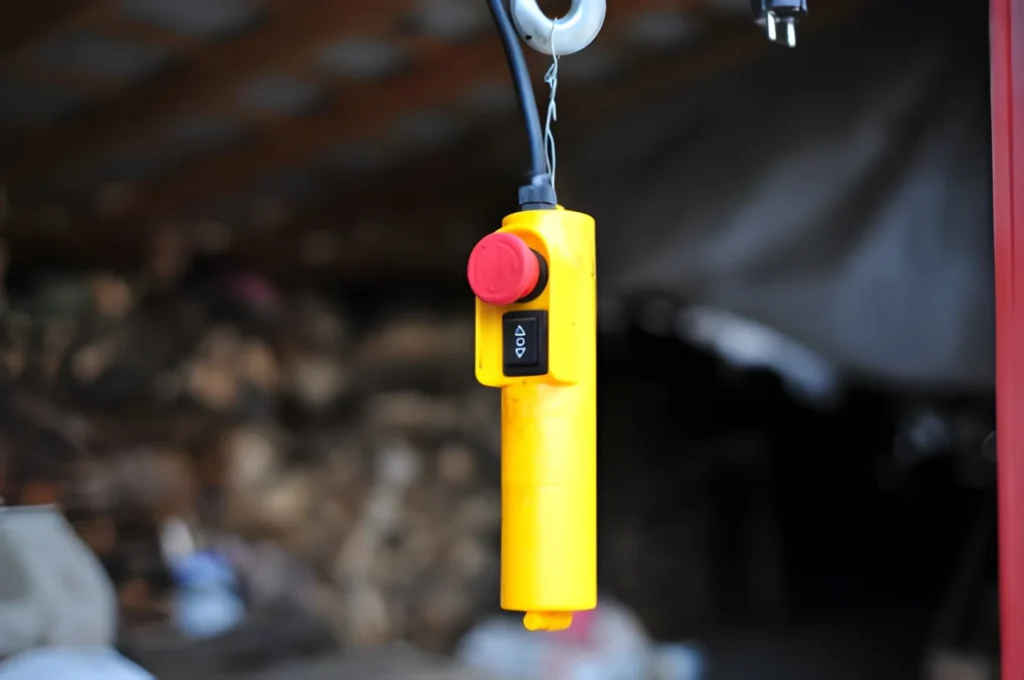
Pendant Control Station Push Button Switches with Features and Buying
If you’re looking to control industrial equipment safely and efficiently, understanding the pendant control station push button switch is essential. These handheld devices are the backbone for operating overhead cranes, hoists, and machinery remotely, combining precision, durability, and ease of use. Whether you need a simple two-button setup or a fully customized multi-speed control, knowing the features and applications of these switches will help you make the right choice for your operation. Let’s explore what makes pendant control stations indispensable tools in industrial environments—and why customizing yours with wilmall could be your smartest move yet.
Introduction to Pendant Control Stations Push Button Switches
Have you ever wondered how operators safely and precisely control heavy machinery like cranes or hoists from a distance? COP-21JK Pendant control station push button switches are the answer. These devices are handheld control units equipped with multiple push buttons, designed to remotely operate industrial equipment such as overhead cranes, hoists, conveyors, and more. They allow operators to manage movements like hoist up/down or crane left/right safely and efficiently without being near the machine itself.
The concept of pendant control stations dates back several decades, evolving alongside industrial automation technology. Originally, these control stations were bulky, simple switches wired directly to machinery. Over time, improvements in materials, button configurations, and electrical components have made them more reliable, ergonomic, and versatile. Today’s hoist pendant control stations are built to withstand harsh industrial environments and comply with strict safety standards.
Why are pendant control stations so important? They provide safe, precise remote control that enhances operator safety while improving accuracy in handling loads and equipment. By using push button pendant controls, workers avoid direct contact with moving parts and hazardous zones, reducing workplace accidents. Moreover, precise push-button inputs enable smooth motion control, critical in environments like manufacturing floors or construction sites where exact positioning matters.
In short, the pendant control station push button switch is an indispensable tool in modern industry—offering a robust, simple interface for controlling powerful equipment remotely, safely, and reliably.

How Pendant Control Stations Work
Pendant control station push button switches operate on simple yet effective principles. Most use momentary switches, which only activate while you hold the button down, perfect for precise control. Some models include maintained switches that stay on until toggled off, useful for continuous operations. Depending on your equipment, you can find single-speed, dual-speed, or multi-speed push button pendants, allowing operators to control hoist or crane speeds easily.
Wiring and signal transmission is key to smooth performance. Many pendant stations use direct control wiring, sending signals straight to the hoist or crane motors for immediate response. Others employ auxiliary control circuits, providing extra safety and control layers by managing relays or contactors before the main equipment reacts. This setup helps protect machines and operators alike.
Pendant control stations are designed to integrate tightly with equipment like overhead cranes, hoists, and winches. The switches control directional motions such as hoist up/down, trolley left/right, or bridge forward/backward. This integration enables precise, safe remote control over heavy machinery, keeping operators comfortably away from moving parts while maintaining full command over the equipment.
For high-quality equipment and accessories including crane remote controls, you can explore reliable options at Wilmall’s crane remote control solutions. Their products ensure seamless integration with a variety of industrial setups.
Key Features and Technical Specifications of Pendant Control Station Push Button Switches
When choosing a pendant control station push button switch, understanding its key features and specs is crucial. Here’s a clear breakdown to help you evaluate the right model for your needs:
| Fonctionnalité | Détails |
|---|---|
| Housing Materials | ABS plastic, durable polycarbonate, and NEōTEX rubber for excellent impact resistance |
| Durabilité | Designed for heavy industrial use; resistant to shocks, chemicals, and wear |
| IP/NEMA Ratings | Commonly IP65, IP67, or NEMA 4X – ensures the station is waterproof, dustproof, and rainproof |
| Button Configurations | Ranges from 2 to 12 buttons with clear directional labels like Up, Down, Left, Right |
| Contact Types | Normally Open (NO), Normally Closed (NC), and often include mechanical interlocks for safety |
| Electrical Ratings | Typically rated between 250V to 600V with current capacities of 3 to 5 amps |
| Ergonomic Elements | Comfortable grip design, balanced weight, and cable strain relief to reduce operator fatigue |
Why These Specs Matter
- Robust housing material like polycarbonate or NEōTEX rubber safeguards your control station against knocks and harsh environments.
- Les IP65 or NEMA 4X waterproof rating guarantees protection against dust and water, perfect for outdoor or wet applications.
- Button layouts with clear directional labels make controlling cranes, hoists, or other equipment straightforward and safe.
- Proper contact types and electrical ratings ensure compatibility with your machinery’s control system and prevent electrical faults.
- Ergonomic design reduces strain during long operation periods, making it easier and safer for operators.
For high-quality, reliable options including premium waterproof and emergency stop pendant control stations, explore trusted suppliers like wilmall’s pendant control station range. Their products blend durability with ergonomic design, ideal for industrial hoist controllers and crane push button switches.
Types of Pendant Control Stations
Pendant control stations push button switches come in several types to fit different needs. The most common divide is between single-speed et multi-speed models. Single-speed units handle simple up/down or start/stop functions, while multi-speed versions allow more precise control over equipment speed, like hoists or cranes.
You’ll find basic pendant control stations with 2 to 4 buttons designed for straightforward tasks. On the other hand, advanced models pack 8 to 12 buttons and often include selectors, indicator lights, or extra functions for managing complex machinery.
While traditional pendant stations usually use wired connections for reliable control, wireless options are becoming popular, offering freedom of movement and reducing cable hazards without sacrificing safety.
There are also specialized variants tailored for specific environments or operator preferences. Examples include pendant controllers with a pistol grip for ergonomic handling or models with built-in emergency stop buttons for quick shutdown during critical situations. These custom features enhance both safety and usability on the job.
When choosing a pendant control station push button switch, consider these types carefully to match your application’s demands, whether it’s a simple crane push button switch or a multi-function industrial hoist controller.
For more guidance, you can check out how to choose the right crane remote control and recommended accessories on trusted supplier sites.
Common Applications of Pendant Control Stations
Pendant control station push button switches are widely used across industries where precise remote control is essential. They’re most common with overhead cranes and hoists in manufacturing plants and warehouses, allowing operators to safely manage heavy loads with easy access to up/down and other motion controls.
On construction sites, these controllers are critical for operating tower cranes, winches, and hoists, ensuring safe handling of materials at height. Their rugged design suits tough outdoor environments and heavy-duty use.
In industrial automation, pendant switches help control conveyors, pumps, mixers, and other machinery requiring reliable start/stop and speed adjustments. They provide operators with responsive control right at their fingertips.
Safety-critical environments often demand line-of-sight control, where pendant stations serve as a dependable link between operator and machinery, reducing risks and improving precision in handling complex tasks.
For effective integration with such equipment, choosing a durable and certified pendant station—like a waterproof pendant station or a NEMA 4X pendant station—is crucial to maintain performance under demanding conditions.
Explore high-quality solutions like the COP-21J1 bouton de contrôle industriel for reliable push button controls in your industrial setup.
Benefits of Using Pendant Control Stations
Pendant control station push button switches offer several clear advantages that make them essential in industrial settings.
Enhanced Operator Safety and Reduced Fatigue
Designed with ergonomic grips and lightweight housings, these pendants reduce strain during long shifts.
Emergency stop pendants provide instant machine shutdown, boosting safety during unexpected events.
Precision Control and Quick Response
Accurate push button controls allow operators to manage hoist up down switch functions and crane movements smoothly.
Multi-speed push button pendants enable fine-tuned speed adjustments for delicate operations.
Cost-Effective Reliability Over Radio Alternatives
| Feature | Pendant Control Station | Radio Remote Control |
|—————————|—————————————–|————————————|
| Signal Reliability | Direct wired connection | Prone to interference and dropouts |
| Maintenance | Low, with simple wiring | More complex electronics |
| Initial Cost | Generally lower | Higher upfront investment |
| Durability | Waterproof, dustproof (e.g., NEMA 4X) | More sensitive to environment |
Compliance with Industry Standards
Quality pendant control stations meet strict certifications such as UL, CSA, and CE, ensuring they conform to global safety and performance requirements. Choosing certified products guarantees peace of mind and regulatory compliance.
For those looking to upgrade, exploring a reliable supplier with custom pendant control options can enhance effectiveness and safety on site. For example, check out wilmall’s range of emergency stop pendant controllers designed for industrial crane remote control to boost safety standards on your machines.
Buying Guide: How to Choose the Right Pendant Control Station
Picking the right pendant control station push button switch is key to smooth and safe operation. Here’s a quick guide to help you find the best fit for your needs:
| Facteur | Ce qu'il faut prendre en compte | Why It Matters |
|---|---|---|
| Application Needs | Number of motions (Up/Down/Left/Right), speeds (single/multi-speed), environment (wet, dusty, hazardous) | Ensures control matches your machinery’s movements and working conditions |
| Durabilité | Housing materials (ABS, polycarbonate, NEōTEX rubber), IP/NEMA ratings (e.g., IP65, NEMA 4X) | Protects against water, dust, and impact for long-lasting use |
| Ergonomics | Weight, grip design, strain relief on cables | Reduces operator fatigue and improves control accuracy |
| Button Size & Layout | Avoid undersized or cluttered buttons; consider button count (2-12) and labels | Prevents accidental presses and improves ease of use |
| Customization Potential | Options for tailored button layouts, labeling, emergency stop inclusion | Fits specific project requirements and enhances safety |
| Budget & Value | Initial cost vs. durability and maintenance needs | Saves money long-term by avoiding frequent replacements |
Common pitfalls to avoid include selecting a pendant with a poor IP rating for harsh environments, or buttons that are too small or too close, which can cause errors in operation. Also, make sure the pendant supports your required control signals—whether direct control or auxiliary wiring.
For industrial projects, partnering with a reliable pendant station supplier who offers customization and sturdy materials can make a big difference. You can explore custom pendant control options to get exactly what your setup needs.
By focusing on these factors, you’ll ensure your push button pendant control station delivers safe, responsive, and dependable performance for years to come.
Customization Options with wilmall
At wilmall, customization is key when it comes to pendant control station push button switches. Whether you need tailored button layouts, specific labeling, or extra accessories, wilmall offers flexible options to fit your exact requirements.
What You Can Customize:
| Fonctionnalité | Détails |
|---|---|
| Button Layouts | From 2 up to 12 buttons, arranged as you need |
| Labeling Options | Clear directional labels (Up/Down/Left/Right) or custom text |
| Accessories | Strain reliefs, protective covers, and mounting options |
| Housing Materials | Durable ABS, polycarbonate, or NEōTEX rubber for tough environments |
| Electrical Ratings | Customized contacts and amps for your machinery |
Using high-quality materials, wilmall ensures your pendant control station stays reliable even in harsh industrial settings, such as outdoor construction sites or wet manufacturing floors. This includes waterproof and impact-resistant housings ideal for heavy-duty use.
Expert Support for OEM & Projects
Whether you’re an OEM looking for a unique configuration or managing a large project needing consistent specs, wilmall provides expert guidance. From initial design advice to final product delivery, their team helps optimize your custom pendant control solution for performance and safety.
For additional details on robust components like cable glands used in your pendant station wiring, check out wilmall’s M-Series cable glands.
With wilmall’s customization, you get a tailor-made, durable pendant control station push button switch built precisely for your industrial needs.
Installation, Maintenance, and Troubleshooting Tips
Proper installation is key for your pendant control station push button switch to work smoothly and safely. Make sure to follow these wiring and mounting guidelines:
- Use the correct wiring diagram for your specific model—whether it’s a direct control pendant or an auxiliary setup.
- Secure the pendant firmly to prevent unnecessary movement or strain on cables.
- Ensure connections are tight and protected from moisture, dust, and mechanical damage.
Routine inspection and cleaning can extend the life of your pendant control station:
- Check buttons regularly for signs of wear or sticking, especially in environments with dirt or grease buildup.
- Clean the housing with a soft cloth and mild detergent—avoid harsh chemicals that can degrade materials like ABS or NEōTEX rubber.
- Inspect cables for cracks or frays to prevent electrical failures.
Common issues you might face include unresponsive buttons or cable wear. Here’s how to fix them:
- If buttons are unresponsive, test the contacts (NO/NC) and clean or replace them if necessary. Sometimes mechanical interlocks can cause sticking.
- For cable wear, replace the cable or add strain relief to reduce stress points. Avoid sharp bends and ensure proper routing away from moving parts.
- Regularly check the pendant’s IP or NEMA rating seals to maintain waterproof and dustproof protection, especially in harsh industrial sites.
For reliable replacement parts and expert support, consider products like the XAC-A8913 pendant control station with 8 buttons that come with robust housings and clear wiring instructions.
Proper care and timely troubleshooting will keep your pendant control station push button switch working safely and efficiently in any industrial environment.
Safety Standards and Best Practices
When it comes to pendant control station push button switches, safety is non-negotiable. Most models include mandatory emergency stop pendants—these are critical for quickly halting operations in emergencies to protect operators and equipment.
Compliance with regulations like UL, CSA, and CE standards ensures the pendant control station meets global safety and quality benchmarks. Look for certifications confirming that your crane push button switch or industrial hoist controller is designed to withstand harsh environments without compromising safety.
Operator training is equally important. Proper use minimizes accidents and equipment damage. Training should cover:
- Correct handling and operation of the control station
- Recognizing and responding to emergency stop functions
- Routine maintenance checks to ensure buttons and switches respond accurately
For reliable safety components, you might want to explore models like the COP-2B crane control button box with emergency stop. Choosing certified and well-tested pendant control stations means safer, smoother operation every time.