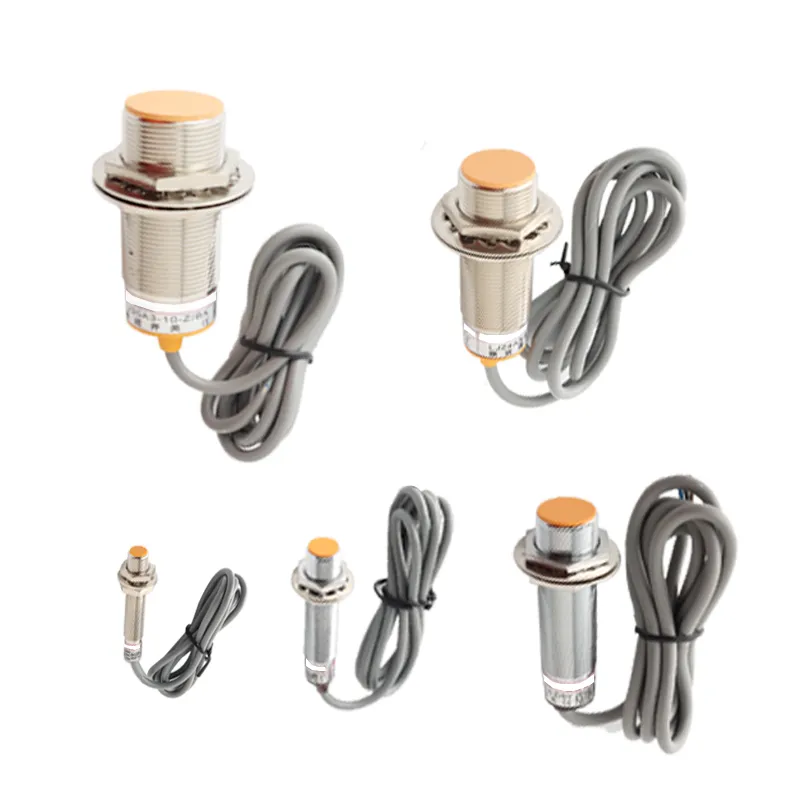
Proximity switch sensors might sound like something out of a sci-fi movie, but they’re actually a crucial part of our everyday technology. From your smartphone to industrial machinery, these little devices work behind the scenes to make life smoother and safer. But what exactly are they, and how do they work? Let’s dive in and uncover the secrets of proximity switch sensors!
Qu'est-ce qu'un capteur de proximité ?
A proximity switch sensor is a device that detects the presence or absence of an object without physical contact. Think of it as a silent guardian—always on the lookout, ready to act when something comes near. These sensors are widely used in industries, automotive systems, and even consumer electronics.
How Does a Proximity Switch Sensor Work?
Proximity sensors work by emitting an electromagnetic field or beam of radiation (like infrared light). When an object enters this field, it disrupts the signal, triggering the sensor to send a response. It’s like a game of hide-and-seek, but with technology!
Types of Proximity Switch Sensors
Not all proximity sensors are created equal. Depending on the application, you might need a specific type. Let’s break it down:
Détecteurs de proximité inductifs
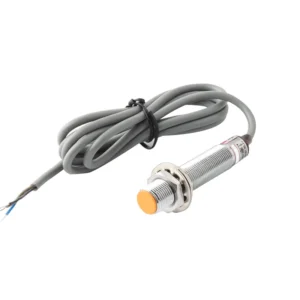
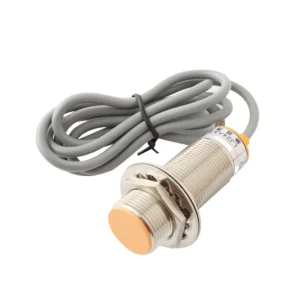
These Inductive sensors detect metallic objects using electromagnetic fields. They’re perfect for industrial settings where metal detection is key.
Capteurs de proximité capacitifs
Capacitive sensors can detect both metallic and non-metallic objects. They’re often used in liquid level detection or touch-sensitive screens.
Détecteurs magnétiques de proximité
These sensors respond to magnetic fields. You’ll find them in security systems or door sensors.
Optical Proximity Sensors
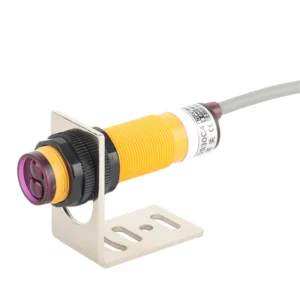
Using light beams, these Optical sensors detect objects by measuring reflected light. They’re commonly used in smartphones to turn off the screen during calls.
Applications of Proximity Switch Sensors
From assembly lines to your car’s parking assist system, proximity sensors are everywhere. They’re used in:
– Industrial automation
- Robotique
– Consumer electronics
– Automotive safety systems
– Medical devices
Advantages of Using Proximity Sensors
Why are proximity sensors so popular? Here’s why:
Fonctionnement sans contact
Haute fiabilité
Temps de réponse rapide
Limitations of Proximity Sensors
While they’re amazing, proximity sensors aren’t perfect. Some limitations include:
– Limited detection range
– Sensitivity to environmental factors like temperature and humidity
– Higher cost compared to mechanical switches
How to Choose the Right Proximity Sensor
Picking the right sensor can feel overwhelming. Consider these factors:
Object material
Detection range
Environnement
Installation Tips for Proximity Sensors
Installing a proximity sensor? Keep these tips in mind:
– Ensure proper alignment with the target object.
– Avoid interference from other electromagnetic devices.
– Test the sensor before finalizing the setup.
Entretien et dépannage
Proximity sensors are low-maintenance, but they still need care. Regularly clean the sensor surface and check for loose connections. If the sensor isn’t working, troubleshoot by checking the power supply and environmental conditions.
Future Trends in Proximity Sensor Technology
The future of proximity sensors is exciting! Expect advancements like:
– Miniaturization for smaller devices
– Enhanced sensitivity and accuracy
– Integration with IoT for smarter systems
Conclusion
Proximity switch sensors are the unsung heroes of modern technology. They make our lives easier, safer, and more efficient. Whether you’re an engineer, a tech enthusiast, or just curious, understanding these devices opens up a world of possibilities. So, the next time your phone screen turns off during a call, you’ll know who to thank!
FAQ
What is the range of a proximity sensor?
The range varies by type, but most proximity sensors detect objects within a few millimeters to several centimeters.
Can proximity sensors detect non-metallic objects?
Yes, capacitive and optical proximity sensors can detect non-metallic objects like plastic, wood, or liquids.
Are proximity sensors affected by environmental conditions?
Yes, factors like temperature, humidity, and dust can impact sensor performance. Always choose a sensor designed for your specific environment.
How do I know if my proximity sensor is faulty?
Common signs include inconsistent detection, no response, or false triggers. Check the power supply and connections first.
Can proximity sensors be used outdoors?
Yes, but ensure they’re rated for outdoor use and protected from extreme weather conditions.
Vous êtes-vous déjà demandé comment les ascenseurs savent quand ouvrir leurs portes ou comment l'écran de votre téléphone s'éteint lorsque vous le portez à votre oreille ? Le héros méconnu de ces interactions intelligentes est le capteur de proximité. Ces dispositifs minuscules mais puissants détectent la présence ou l'absence d'objets sans contact physique, ce qui les rend indispensables dans [...]
Les capteurs de proximité sont les héros méconnus de l'automatisation. Ils jouent un rôle crucial dans la détection d'objets sans contact physique. Ils sont essentiels dans des secteurs allant de la fabrication aux systèmes de sécurité. Cet article se penche sur les principaux types de capteurs de proximité, en explorant leurs principes de fonctionnement, leurs applications, ainsi que les avantages et les inconvénients de chacun d'entre eux. Aperçu des capteurs de proximité [...]
Les détecteurs de proximité inductifs peuvent sembler sortis d'un film de science-fiction, mais ils constituent en fait une pierre angulaire de l'automatisation moderne. Vous êtes-vous déjà demandé comment les machines "sentent" les objets sans les toucher ? C'est là que ces petites merveilles entrent en jeu. Dans cet article, nous allons nous plonger dans le monde des détecteurs de proximité inductifs, en expliquant ce qu'ils sont, [...]
Nous répondrons à votre demande dans les 24 heures
Nous accordons de l'importance à votre vie privée
Nous utilisons des cookies pour améliorer votre expérience de navigation, vous proposer des publicités ou des contenus personnalisés et analyser notre trafic. En cliquant sur "Tout accepter", vous consentez à notre utilisation des cookies.