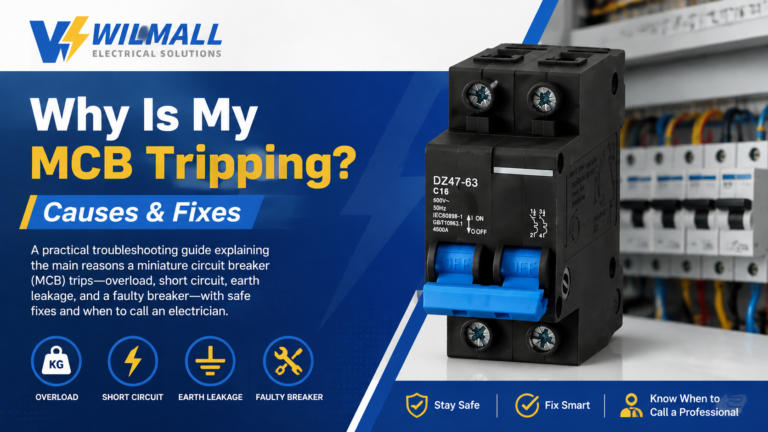







Why Is My MCB Tripping? Causes & Fixes
Your MCB trips for four main reasons: overload, short circuit, earth leakage, or a faulty breaker. This guide explains each cause, how to find it, and how to fix it safely.
Read More
A pendant control station is a handheld pushbutton device designed for the remote control of industrial equipment like hoists, cranes, and conveyor systems. Think of it as your portable command panel, letting you control machinery safely from a distance.
| 구성 요소 | 설명 |
|---|---|
| 인클로저 | Durable housing, often double-insulated for safety and impact resistance. |
| Pushbuttons | Controls for start, stop, directional movement, and speed selection. |
| 비상 정지 | Large mushroom head button for quick shutdown during emergencies. |
| 케이블 | Flexible and strain-relieved cable connects the pendant to the control system. |
| Switches | Momentary or maintained switches for different control functions. |
| Optional Features | Potentiometers or selector switches for fine-tuning or extra controls. |
Understanding this difference helps when choosing the right pendant for your setup.
Using a pendant control station improves operator safety by allowing control away from moving parts and offers precise command over heavy machinery, critical in industrial settings.
Pendant control stations come in various types to suit different operational needs and environments. The most common distinction is between single-speed 그리고 multi-speed configurations. Single-speed hoist pendants are designed for basic up/down control, while two-speed or three-speed crane pendants allow finer control over equipment movement, offering greater precision.
Design-wise, you’ll find pistol grip models that fit comfortably in the hand for extended use, alongside standard ergonomic designs that focus on ease of access and button layout. The number of pushbuttons can vary widely—from a simple 2-button setup for basic up and down functions, to 4-8 buttons for multi-directional control, and even 12 or more for complex operations that require several simultaneous commands.
Wired pendant stations remain the industry norm for reliability, but wireless pendant controls are emerging, offering greater flexibility and reducing cable management concerns.
For specialized needs, there are explosion-proof models suited for hazardous environments, heavy-duty pendants built to withstand tough industrial conditions, and compact versions designed for space-limited setups. Choosing the right type depends on your equipment requirements and operating environment.
When picking a pendant control station, there are several essential features and specs to keep in mind to ensure reliability, safety, and ease of use.
| 기능 | 확인해야 할 사항 | 중요한 이유 |
|---|---|---|
| Enclosure Material | Double-insulated polypropylene | Impact resistance and electrical safety |
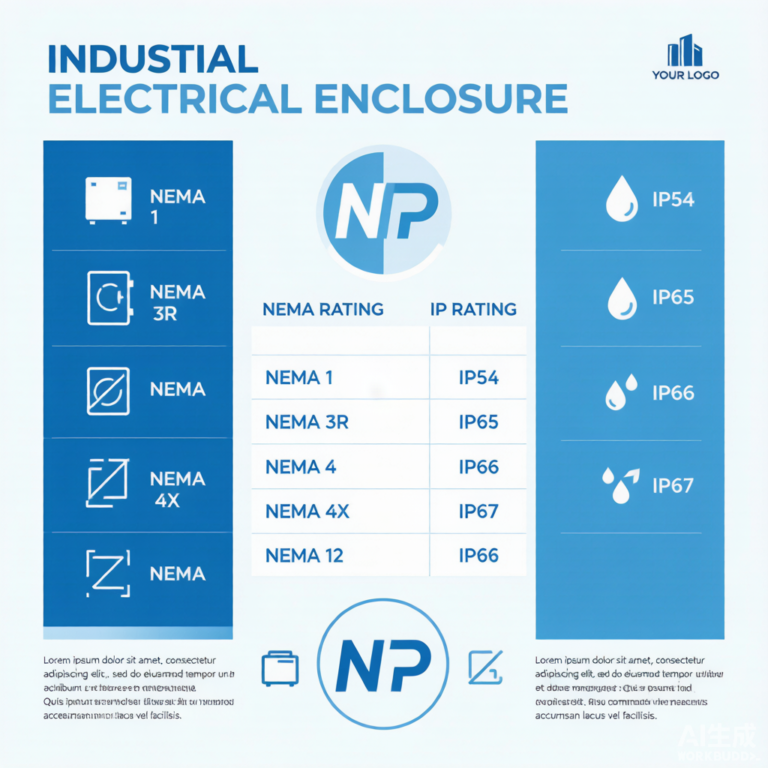
| IP Rating | IP65 or higher | Dust-tight and water-resistant for tough jobs |
| Operating Temperature | Wide range depending on environment | Reliable operation in cold or hot conditions |
| Switch Types | Momentary, maintained, mechanically interlocked | Different control needs and prevents mistakes |
| Safety Elements | Emergency stop (mushroom head, twist/push-pull type) | Quick, accessible shutdown in emergencies |
| 인체공학 | Lightweight design with booted buttons and strain relief | Comfortable and reduces operator fatigue |
Most durable pendant stations feature double-insulated polypropylene enclosures. This material stands up well to impacts and provides extra safety from electrical hazards. A double insulated pendant is especially crucial in industrial environments where drops and bumps happen often.
An IP65 pendant station is ideal for protecting internal parts from dust and water, making it perfect for harsh or outdoor settings like construction sites and manufacturing floors.
Choose between momentary switches (active only while pressed), maintained switches (toggle on/off), or mechanically interlocked switches (prevent conflicting commands) depending on how you want to control your machinery.
Almost all pendant stations must include a clearly marked emergency stop, often a large mushroom head emergency stop button. This allows the operator to cut power instantly, reducing risks during critical situations.
Look for pendants designed to reduce hand strain. Lightweight bodies, booted buttons for protection, and proper cable strain relief improve operator comfort and extend device life.
For a deeper dive into choosing the right pendant, you can check out our detailed guide on how to choose a suitable pendant control station.
Pendant control stations are widely used in industries where precise, remote control of heavy equipment is critical. They are the go-to solution for overhead cranes, electric hoists, winches, conveyor systems, and various automated machinery. These devices offer operators safe and straightforward control, reducing the risk of accidents and improving operational precision.
You’ll often find hoist pushbutton stations and crane pendant controls in manufacturing plants, construction sites, warehouses, steel mills, and elevator systems. In these environments, the rugged build and ergonomic design of an IP65 pendant station help withstand harsh conditions while keeping controls intuitive and accessible.
For example, in steel mills, operators use pendant stations to move heavy materials safely and efficiently, while emergency stop pendants provide a fail-safe to immediately halt movement if needed. On construction sites, pendant controllers simplify managing winches and cranes, improving safety through clear, tactile push button pendant stations that minimize operator error.
Overall, pendant stations enhance control precision and help protect operators by bringing critical controls within easy reach, allowing better workflow and fewer accidents in demanding industrial environments.
For enhanced safety solutions, consider options like the COP A2B emergency stop button control box designed for quick shutdowns in urgent situations.
Picking the right pendant control station can make a big difference in safety, efficiency, and ease of use. Here’s a simple step-by-step guide to help you choose smartly:
| 단계 | What to Check |
|---|---|
| 1. Assess Equipment Needs | Determine the functions needed – single-speed or multi-speed control for your hoist or crane pendant control. |
| 2. Speed Requirements | Decide if a single speed hoist pendant is enough or if you need 2-speed or 3-speed options for finer control. |
| 3. Environmental Conditions | Check IP ratings (IP65 or higher) to ensure dust and water resistance, plus materials that withstand your worksite. |
| 4. Operator Comfort | Look for ergonomic pendant control designs, lightweight enclosures, and well-placed, booted buttons for ease of use. |
| 5. Compatibility | Verify the pendant station fits your existing control system and wiring standards. |
| 6. Safety Features | Prioritize models with mandatory emergency stop pendant buttons (mushroom head or push-pull types). |
| 7. Customization Options | Consider how many buttons or special features like potentiometers you need for your specific operations. |
Wilmall stands out by offering durable, versatile pendant stations designed for real-world industrial use. Their double insulated pendant enclosures and IP65-rated models handle tough working conditions without compromising safety or comfort. Plus, their products come with flexible button configurations, reliable emergency stop pendants, and excellent cable gland options, such as the corrosion-resistant unarmoured type for secure wiring.
For example, the XAC-A8913 pendant control station with 8 buttons offers perfect flexibility if your crane pendant control demands multi-functionality. And pairing it with high-quality cable glands from Wilmall ensures long-lasting protection and safe installation.
With these points in mind, you can confidently select the right pendant control station to meet your operational, safety, and comfort needs.
When it comes to pendant control stations, several established brands lead the market in reliability and innovation. Schneider Electric’s Harmony series is known for its robust build quality and versatile configurations, making it a go-to choice for overhead crane controllers across many industries. TER 그리고 Magnetek also hold strong reputations, especially for their advanced hoist remote control solutions and durable push button pendant stations designed for heavy-duty industrial use.
For buyers looking for cost-effective yet high-performance options, emerging brands like Wilmall offer excellent alternatives. Wilmall pendants combine quality enclosure materials, IP65 protection, and ergonomic designs, making them suitable for everything from single-speed hoist pendants to complex multi-speed crane pendants. Their value-driven products provide reliable safety features like mushroom head emergency stops and strain relief for pendant cables without compromising on durability.
If you’re exploring options for industrial pendant control stations, you might want to check out Wilmall’s industrial remote control transmitter sets that deliver great performance at competitive prices. These solutions are ideal for users who need flexible and rugged crane pendant control that doesn’t break the budget.
In , whether you choose a top-tier brand or a value-focused provider, picking a pendant station with proven safety and operational reliability should always be the priority.
Installing a pendant control station correctly is crucial for safe, reliable operation. Start by securely mounting the pendant’s enclosure in an accessible location, ensuring the cable has enough slack but is protected from sharp bends or heavy wear. Use proper pendant cable strain relief to prevent damage where the cable meets the enclosure.
When wiring the station, follow the wiring diagrams specific to your pendant type (single-speed or multi-speed) and make sure connections match your control panel’s input requirements. Typically, wiring involves connecting pushbutton switches, emergency stop circuits (usually with a mushroom head emergency stop), and any auxiliary controls. Double-check all terminations to avoid loose connections that could cause failures.
Best practices include:
Integration with your overhead crane or hoist control panel should respect the manufacturer’s specifications, including NEMA or IP ratings to maintain enclosure integrity. For a hassle-free setup, consider high-quality, ready-made models like the WilMALL industrial pushbutton stations that come with clear wiring diagrams and robust cable assemblies designed for smooth installation.
By following these guidelines, you improve operator safety and extend the life of your crane pendant control system.
Keeping your pendant control station in good shape is key for safe and smooth operations. Start with routine inspections—check all pushbuttons for responsiveness, inspect the enclosure for cracks or damage, and examine the pendant cable and strain relief to spot any wear or fraying. Don’t overlook the emergency stop pendant; test it regularly to ensure it functions instantly when needed.
Common issues include faulty switches that fail to activate controls, damaged cables causing intermittent signals, or emergency stop failures that can compromise safety. Catching these problems early helps avoid downtime.
예방적 유지 관리 is your best bet to extend the lifespan of your hoist pushbutton station:
For wiring and cable protection, using quality components like dustproof cable glands helps maintain damage-free connections under harsh conditions. Check out reliable solutions such as the M42A outdoor metric dustproof cable gland to boost your pendant station’s durability.
Routine care not only maximizes your pendant’s reliability but also keeps your system compliant with safety standards and ready for the toughest industrial environments.
Pendant control stations must meet strict safety standards to protect operators and ensure reliable operation. Key regulations from organizations like IEC, NEMA, and OSHA set guidelines that cover everything from electrical insulation to emergency stop functionality.
Important safety features include:
Compliance with these standards is vital not only for operator safety but also to meet legal and insurance requirements. Choosing a pendant control station that aligns with these safety benchmarks protects assets and people alike. For more on reliable control solutions that meet such standards, explore the pendant control station options designed with industrial safety in mind.