








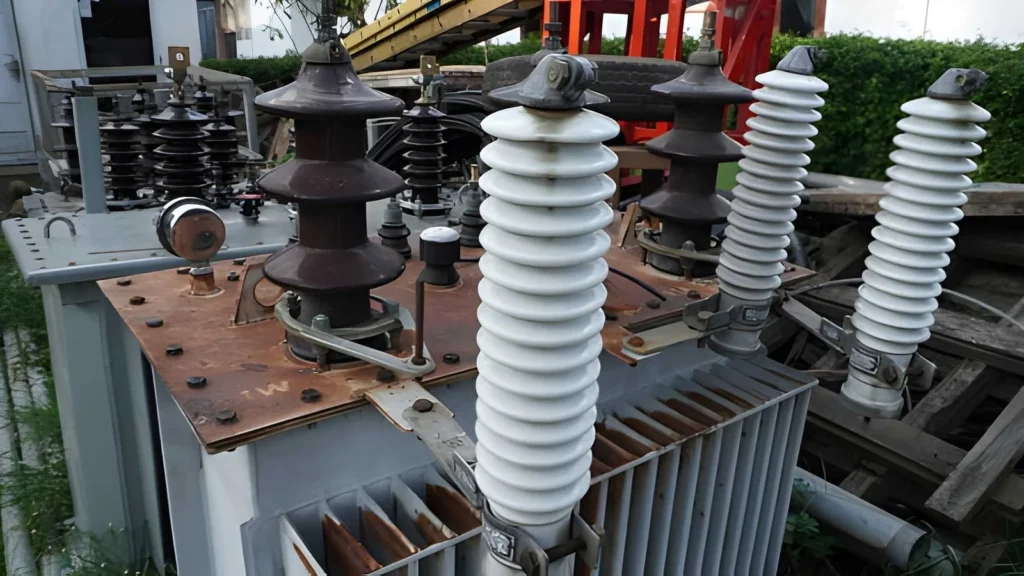
Potential Transformer vs Current Transformer Key Differences and Specs
Índice
Understanding Instrument Transformers
Instrument transformers are critical components in power systems, serving essential roles in metering, protection, and electrical isolation. They enable the measurement and monitoring of high currents and voltages safely and accurately without exposing personnel or equipment to dangerous levels directly.
Direct measurement of high currents or voltages in power networks is unsafe and impractical due to extreme values and the risk of electrical hazards. Instrument transformers, including Current Transformers (CT) and Potential Transformers (PT), step down these high magnitudes to manageable secondary levels suitable for standard instruments and protective relays.
Key functions of instrument transformers include:
- Metering: Providing scaled-down current and voltage signals for energy meters and data acquisition systems.
- Protection: Delivering accurate and reliable inputs to protective devices such as overcurrent and voltage relays.
- Isolation: Electrically isolating measurement devices and control equipment from high voltage circuits, ensuring safety and integrity.
By transforming high currents or voltages to standardized secondary levels, instrument transformers form the backbone of safe, precise, and efficient power system operation and analysis.
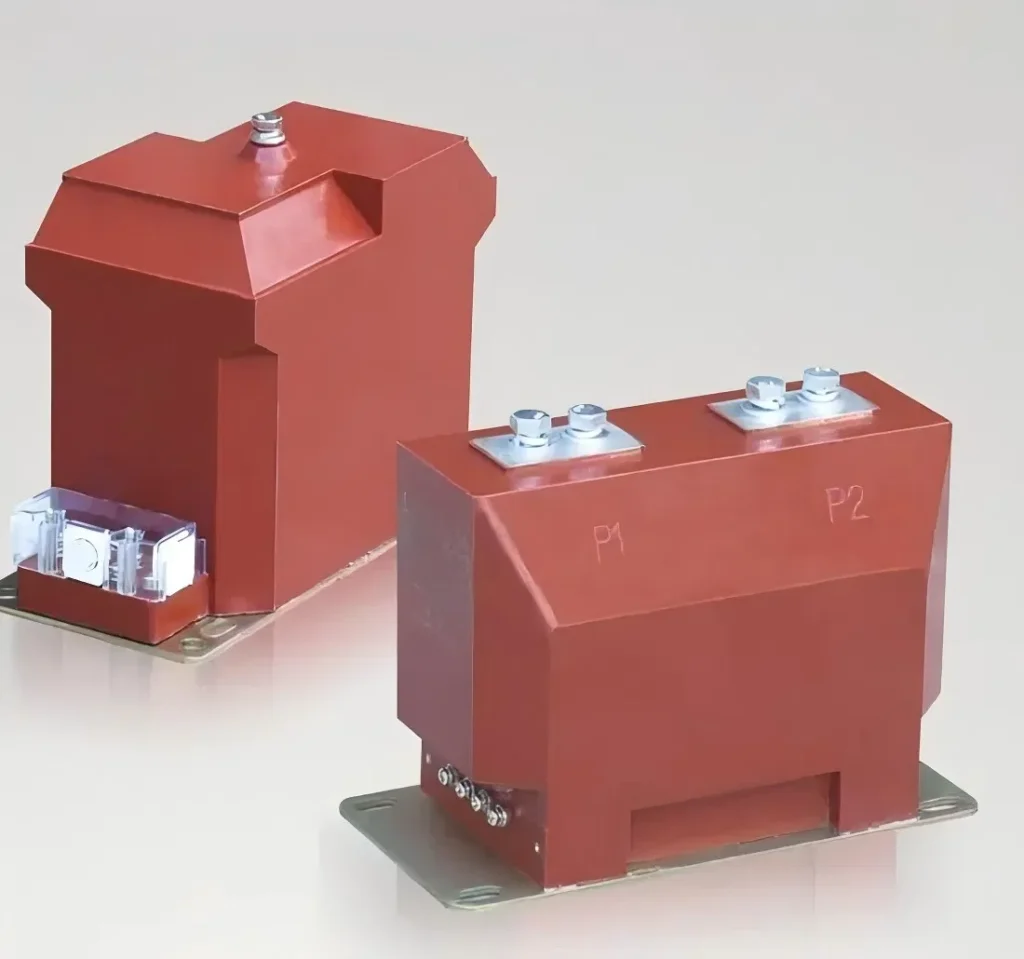
What is a Current Transformer (CT)?
A Current Transformer (CT) is an essential instrument transformer used to safely measure high electrical currents in power systems by scaling them down to a lower, manageable value. Its primary purpose is to enable accurate metering and protective relay operations while isolating measurement devices from dangerous high currents.
The CT works by connecting in series with the high-current conductor. It steps down the current—meaning it produces a proportional but much smaller current on its secondary winding, typically standardized to 1A or 5A. This step-up nature on the primary side allows for safer measurement without directly handling the high current load.
There are several types of current transformers tailored for different applications:
- Wound CT: Primary winding consists of multiple turns of wire; used where high accuracy is needed.
- Bar CT: The primary is a single solid bar or cable that passes through the transformer.
- Window or Toroidal CT: Has an open-core design allowing conductors to pass through the “window,” ideal for retrofit installations.
Key features to consider in Current Transformers include the burden rating, which is the maximum load the CT can drive without loss of accuracy, and the accuracy class such as 0.2, 0.5 for metering or 5P/10P for protection purposes. Another critical aspect is core saturation—where the CT’s magnetic core reaches a limit, causing distortions in measurement, especially under fault conditions.
Choosing the right CT ensures reliable performance in critical power system applications like overcurrent protection, energy metering, and motor monitoring. For high-quality options, explore our range of split core CT current transformers.
What is a Potential Transformer (PT / Voltage Transformer VT)?
A Potential Transformer (PT), also known as a Voltage Transformer (VT), is an essential instrument transformer used to safely step down high voltages to lower, measurable levels suitable for metering and protection devices. Unlike Current Transformers (CTs) that handle current, PTs work on voltage and are connected in parallel to the power system.
How PTs Work
PTs operate by reducing the primary high voltage to a standardized secondary voltage, typically 110V or 120V, allowing instruments to read voltage without being exposed to dangerous high voltages directly. This step-down occurs through electromagnetic induction inside the transformer’s coils, maintaining a proportional and accurate voltage ratio for precise measurement.
Types of Potential Transformers
- Inductive PTs: These are the most common type, using magnetic induction to convert high voltage to a lower value. They are reliable and widely used in power systems.
- Capacitor Voltage Transformers (CVTs): CVTs use a capacitive voltage divider and are often preferred in very high-voltage applications because they offer a lighter and more cost-effective solution with broadband filtering capabilities.
Key Features of PTs
- Voltage Ratio: PTs are designed with a precise transformation ratio (such as 110kV/110V) to ensure the output voltage accurately reflects the input voltage for metering and protection.
- Burden and Accuracy: The burden rating (in VA) indicates the load the PT can drive without losing accuracy. PTs typically have accuracy classes similar to CTs to match their use in metering or protective functions.
- Ferro-Resonance Protection: PTs are prone to ferro-resonance, a condition causing unpredictable voltage spikes. Protective circuits or designs are integrated to prevent this phenomenon and ensure stable voltage transformation.
To explore more high-precision instrument transformers tailored for reliable voltage measurements, check out the Wilmall GLT38B series for advanced and durable PT options.
CT vs PT – Head-to-Head Comparison
Here’s a clear side-by-side comparison of the Current Transformer (CT) y Potential Transformer (PT) highlighting their key differences:
| Característica | Current Transformer (CT) | Potential Transformer (PT / Voltage Transformer VT) |
|---|---|---|
| Función | Measures and steps down current | Measures and steps down voltage |
| Connection Method | Connected in series with the circuit | Connected in parallel to the circuit |
| Transformation Type | Current step-down (high to low current) | Voltage step-down (high to low voltage) |
| Secondary Ratings | Typically 1A or 5A for ease of metering | Usually 110V or 120V on the secondary side |
| Open-Circuit Risk | Very dangerous – open circuit causes high voltage and core saturation risk | Generally safe – open circuit leads to no dangerous voltage |
| Core Design | Designed to handle high currents; core must avoid saturation | Designed with high insulation and stable voltage ratio |
| Accuracy Considerations | Important for both protection (5P, 10P classes) y metering (0.2, 0.5, 1.0 classes) | Accuracy critical for voltage regulation and metering; ferro-resonance can affect precision |
| Common Errors | Open secondary circuit, incorrect burden VA rating, reversed polarity | Incorrect burden, ferro-resonance issues, improper ratio selection |
This comparison clarifies why CTs and PTs are not interchangeable devices—they serve distinct but complementary purposes in power systems.
Using a CT incorrectly, especially leaving its secondary open, can damage equipment and endanger personnel due to dangerously high voltages. PTs, on the other hand, are safer if opened but must be accurately selected to avoid errors in voltage measurement.
For reliable installation, always understand these differences and choose your instrument transformer based on function, accuracy, and system requirements.For insights into proper accessory choices and sealing for transformers, check out our selection of robust cable gland connectors.
Practical Applications and Use Cases of Current Transformers (CT) and Potential Transformers (PT)
Current Transformers (CTs) and Potential Transformers (PTs) play crucial roles in power systems, each serving distinct but complementary purposes.
Current Transformers (CTs) are primarily used for:
- Overcurrent Protection: Detecting excess current flow and triggering protective devices to prevent equipment damage.
- Energy Metering: Accurately measuring electrical current for billing and monitoring purposes.
- Motor Monitoring: Tracking motor performance and diagnosing faults by measuring current levels.
Potential Transformers (PTs) serve essential functions such as:
- Voltage Regulation: Providing scaled-down voltage signals to devices that control and stabilize voltage levels.
- Synchronization: Ensuring the correct phase and voltage alignment when connecting generators or load segments.
- Under/Overvoltage Relays: Detecting voltage anomalies to protect equipment against abnormal voltage conditions.
In many setups, CTs and PTs are combined within substations and switchgear to offer comprehensive monitoring and protection. This combination ensures both voltage and current parameters are accurately measured and managed, enhancing the reliability and safety of the electrical network.
For robust and precise overcurrent protection, you might consider high-quality options like the oil-filled current transformer series. Similarly, robust indoor solutions such as the cast resin current transformer offer reliable performance in various operational environments.
By understanding these practical applications, you can select the right Current Transformer vs Potential Transformer setup tailored to specific system needs, enhancing both protection and measurement accuracy.
How to Select the Right Transformer
Choosing the right instrument transformer, whether a Current Transformer (CT) or a Potential Transformer (PT), comes down to a few key factors that ensure accurate, safe, and reliable operation.
1. Transformation Ratio
Select a ratio that matches your system’s primary current or voltage to the secondary values needed. For CTs, common secondary currents are 1A or 5A, while PTs typically step voltage down to 110V or 120V. Getting the right ratio ensures measurements stay within devices’ limits.
2. Burden and VA Rating
The burden refers to the load connected to the transformer’s secondary winding. Make sure your CT or PT can handle the total burden in VA (volt-ampere) without loss of accuracy or overheating. Overloading can cause faults or errors.
3. Accuracy Class
The accuracy class shows how precise the transformer is. For metering, classes like 0.2, 0.5, and 1.0 specify the maximum acceptable error percentage. Protection CTs and PTs have classes such as 5P or 10P to allow for quick, reliable operation of protective relays—higher class numbers suit protection devices, while lower numbers suit billing meters.
4. Insulation and Environmental Conditions
Check that the insulation class matches your system’s voltage level and environmental factors like temperature, humidity, and pollution. High-quality insulation prevents breakdowns and extends transformer life.
5. Compliance with Standards
Ensure the transformer complies with international standards like IEC, IEEE, or ANSI. Following these standards guarantees safety, interoperability, and proven performance.
By balancing these factors, you can pick the right Current Transformer or Potential Transformer to meet both your measurement and protection needs reliably.
For precision components and certified quality, explore our range of high-accuracy connectors designed to work seamlessly with CTs and PTs in demanding environments.
Wilmall Advantage in Instrument Transformers
When it comes to selecting reliable Current Transformers (CT) and Potential Transformers (PT), Wilmall stands out with high-precision manufacturing that ensures consistent accuracy and durability. Our wide range of ratios and burden VA ratings cover diverse industrial needs, from metering current transformers to protection CTs and voltage transformers for precise measurement in power systems.
Wilmall products comply fully with international standards such as IEC, IEEE, and ANSI, giving you peace of mind for both safety and performance. Whether you require robust instrument transformers that can withstand harsh environmental conditions or customized designs tailored to specific applications, Wilmall delivers with competitive pricing and responsive support.
Choosing Wilmall means investing in quality CT vs PT units designed for longevity and accuracy, backed by a support team ready to assist you in optimizing your power system instrumentation.For advanced control and monitoring needs, consider integrating Wilmall’s industrial remote control transmitter set, ensuring seamless operation alongside your instrument transformers.
Installation, Maintenance, and Safety Tips for CT and PT
When working with Current Transformers (CTs) and Potential Transformers (PTs), following proper installation and maintenance steps is critical for safety and accuracy.
Best Practices for Installation
- Polarity Marking: Always verify and connect the polarity markings (usually P1/P2 on CTs and H1/H2 on PTs) correctly. Wrong polarity leads to incorrect measurements or relay malfunctions.
- Secondary Grounding: Ground the secondary side of CTs and PTs to prevent dangerous voltages from developing and ensure equipment safety.
- Connection Method: CTs must be connected in series with the load, whereas PTs are connected in parallel. This is important for correct operation.
Avoid Open Circuit in CT Secondary
Never leave a CT secondary winding open while the primary is energized. This can cause:
- Dangerous high voltage build-up on the CT secondary, risking equipment damage and personal injury.
- Core saturation and loss of measurement accuracy.
Always ensure the CT secondary has a connected burden or short circuit during operation.
Routine Maintenance Tips
- Regularly inspect for secure connections and insulation damage.
- Check for physical wear, especially in outdoor or harsh environments.
- Verify transformer accuracy periodically using test equipment.
- Replace damaged or worn transformers immediately to avoid mistimed protection or faulty metering.
By adhering to these simple but vital safety measures, you ensure reliable performance and long service life for your instrument transformers.
For rugged and reliable transformers suited to harsh environments, consider Wilmall’s heavy-duty high voltage current transformers designed for demanding applications.
Frequently Asked Questions about Current Transformer vs Potential Transformer
Can CT and PT be used interchangeably?
No, Current Transformers (CT) and Potential Transformers (PT) serve different purposes in power systems. CTs measure current by stepping it down, while PTs step down voltage. Using one instead of the other can lead to incorrect measurements and even damage equipment.
What happens if the CT secondary is open?
Opening the secondary circuit of a CT while current flows in the primary is dangerous. It can cause dangerously high voltages that may damage the CT or pose safety hazards. Always ensure the CT secondary is never left open when energized.
Why do CTs and PTs have different burden ratings?
The burden is the load connected to the secondary of an instrument transformer, expressed in VA. CTs typically have burden ratings suited to current measurement loads like meters and relays. PTs have burden ratings optimized for voltage instruments and protection devices. Using the incorrect burden reduces accuracy and can cause transformer saturation.
What accuracy classes are common for CTs and PTs?
For metering, CTs and PTs often have accuracy classes like 0.2, 0.5, and 1.0. Protection transformers usually have classes like 5P and 10P, which indicate the accuracy for protection relay operation under fault conditions.
Can a PT secondary be open-circuited safely?
Unlike CTs, PTs are designed to be open-circuited safely without generating dangerous voltages. However, this should still be avoided during operation to maintain accuracy.
Clear understanding of these common questions helps ensure the safe and effective use of CT and PT instrument transformers in any electrical system. For further protection and accuracy, selecting the right transformer based on burden, ratio, and application is key. You can explore high-quality options like our low voltage residual current transformer products to meet your system needs.
Related Products: Wilmall CT and PT Series, Combined Units, and Accessories
When choosing the right instrument transformers, Wilmall offers a comprehensive range of high-quality Current Transformers (CTs) and Potential Transformers (PTs) tailored to meet global needs. Our split-core current transformers are ideal for easy installation and flexible monitoring, making them perfect for metering and protection tasks in your power system. You can explore the full selection of these reliable current transformers on our split-core current transformer product page.
For voltage measurement, Wilmall’s PT series delivers precise potential transformers designed to handle high-voltage environments with excellent accuracy and safety features. We also supply combined CT-PT units, ideal for substations and switchgear, where both current and voltage measurements need to be integrated seamlessly.
Besides transformers, Wilmall provides essential accessories like meters and relays that complement CT and PT installations, ensuring your system stays accurate and protected. For automation needs, check out devices like the advanced XAC-A8913 pendant control station with 8 buttons to enhance your power management setups.
With Wilmall’s broad product lineup, whether you require precise metering current transformers for billing accuracy or protection current transformers for fault detection, our solutions cater to all applications — backed by durability, compliance with international standards, and customer-focused support.