








How to Choose the Right Crane Remote Control?
Choosing the right crane remote control is a crucial decision for any industrial operation that uses cranes. Imagine the difference between controlling your crane with a clunky, outdated remote versus a sleek, ergonomic system that boosts safety, efficiency, and productivity. A well-chosen remote control can transform the way you work — making operations smoother, safer, and more cost-effective.
In industries like construction, manufacturing, warehouses, and heavy lifting, the remote control acts as your direct line to precision handling and worker protection. But with so many types and features on the market, how do you pick the perfect match? This guide will help you navigate the key factors in choosing a crane remote control that fits your needs and environment — while also helping your business optimize its workflow and safety.
Understanding Crane Remote Control
Let’s start with the basics: What exactly is a crane remote control? It is a wireless or wired device that allows an operator to control a crane’s movements such as lifting, lowering, and traveling from a distance.
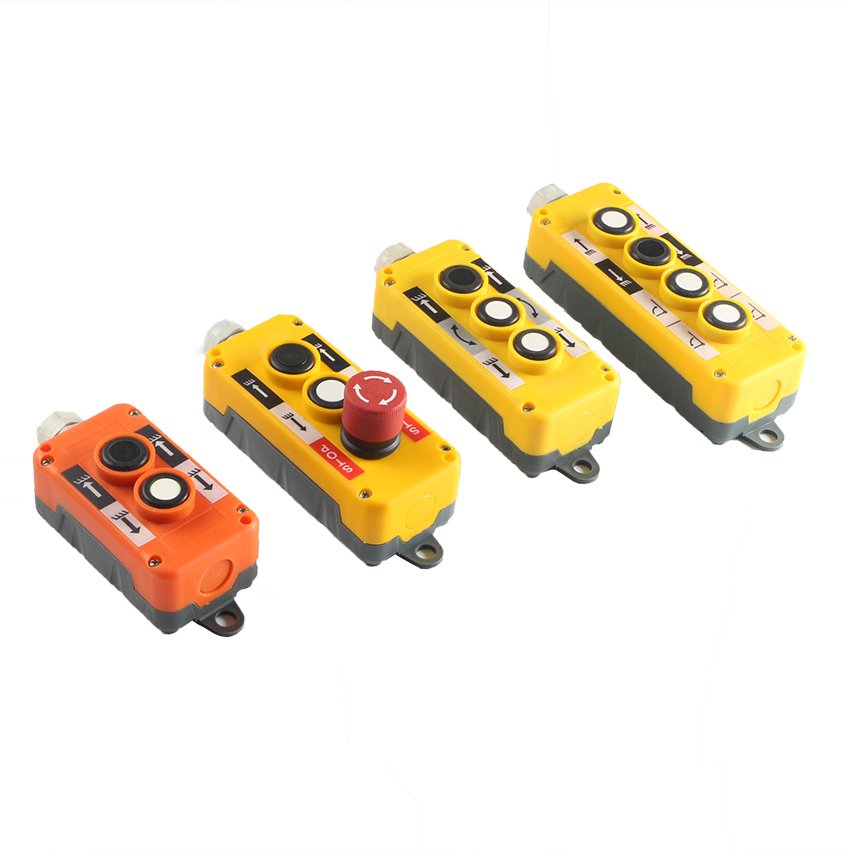
There are three main types of wireless crane remote controls, each with distinct characteristics and ideal uses:
| Remote Control Type | Description | Best Applications |
|---|---|---|
| Button-Type Wireless Remote Control | Simple controls with dedicated buttons for basic movements | Small overhead cranes, light-duty gantry cranes |
| Joystick-Type Wireless Remote Control | Advanced controls allowing simultaneous multi-axis movement | Large cranes needing precise control |
| Custom Wireless Remote Control System | Tailored for special environments like hazardous or extreme conditions | Oil refineries, chemical plants, extreme temp or corrosive areas |
Each type offers unique advantages from cost-effectiveness to precise operation and durability. It’s essential to understand these to match the right remote with your crane and usage needs.
Selecting the Right Remote Based on Operational Needs
Different jobs require different levels of control complexity. Here’s a breakdown of how to align remote control types with job demands:
- Simple Lifting Tasks: If your operation involves mostly up/down or forward/backward movements, button-type remotes are reliable and cost-effective.
- Complex, Multi-Directional Operations: When you need precise, simultaneous control of multiple crane functions, joystick remotes provide superior flexibility.
- Specialized or Hazardous Environments: Custom remotes with enhanced safety features and rugged design protect operations in harsh or explosive settings.
Table: Remote Control Features by Operation Type
| Operation Complexity | Recommended Remote Type | Key Features | Benefits |
|---|---|---|---|
| Basic 2-4 Direction Movement | Button-Type Remote | Simple buttons, easy to use | Cost-effective, reliable |
| Multi-function Precision Tasks | Joystick-Type Remote | Simultaneous axis control, precise | High flexibility |
| Hazardous or Extreme Conditions | Custom Remote System | Explosion-proof, rugged casing | Increased safety |
For any operation, picking a control that suits your daily workflow will reduce errors and increase safety. Feel free to reach out to inquire about custom solutions built to your specifications.
Key Factors to Consider When Choosing a Crane Remote Control
Here are the critical elements that drive your remote control selection:
- Signal Stability & Range: Ensure the remote offers a strong, interference-resistant signal with sufficient distance coverage to suit your workspace.
- Battery Life & Charging: Longer battery life minimizes downtime. Look for fast-charging capability and easy replacement.
- Ergonomic Design: Controls should be comfortable for extended use to reduce operator fatigue and errors.
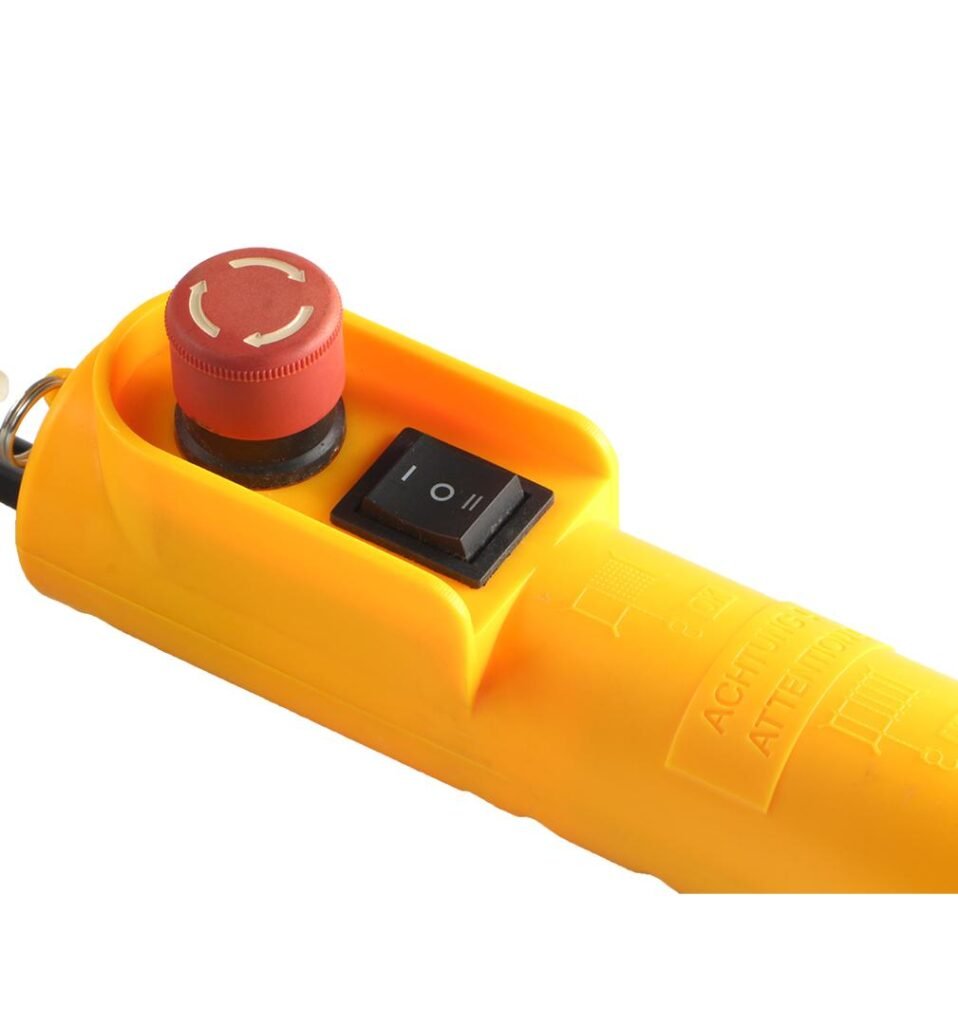
- Safety Features: Look for emergency stop buttons, secure encrypted signals to prevent hacking, and rugged, weather-resistant enclosures.
- Durability: Your remote might face dust, moisture, extreme temperatures, or impacts. Choose one rated for your specific environment.
| Factor | Why It Matters | What to Look For |
|---|---|---|
| Signal Stability | Avoid loss of control for safety and efficiency | Frequency-hopping technology, anti-interference |
| Battery Performance | Minimize operational interruptions | Long battery life, quick charging, battery level indicators |
| Ergonomics | Operator comfort and precision | Lightweight, well-placed buttons, non-slip grip |
| Safety Features | Protect operators and prevent accidents | Accessible stop button, signal encryption, fail-safe shutoff |
| Durability | Remote must survive harsh conditions | IP65 or above waterproof and dustproof rating |
Prompt inquiries are welcome to explore models that meet all these criteria tailored for your facility and operation.
Ready to improve crane safety and control?
Discover how crane remote control boost safety and efficiency. Explore our reliable crane remote controls and request your tailored solution now!
Choosing Based on Your Work Environment
Different environments pose different challenges. Here is how environment factors influence your remote control choice:
- Construction Sites: Dusty, rough terrains need rugged, dustproof, and impact-resistant remotes.
- Factories and Warehouses: Protection against moisture and interference from other machinery is critical.
- Extreme Conditions: High heat, freezing cold, or corrosive atmospheres require specialized, heavy-duty remotes.
| Environment | Recommended Features | Sample Industries |
|---|---|---|
| Dusty & Outdoor | Durable casing, strong signal resistance | Construction, mining |
| Controlled Indoor | Compact, ergonomic design, minimal interference | Warehouses, manufacturing |
| Extreme Conditions | Explosion proof, temperature resistant | Chemical plants, refineries |
It’s smart to consult experts who can recommend remotes specifically tested for your site’s conditions.
Latest Trends and Solutions in Crane Remote Controls
Technology keeps evolving, bringing new benefits:
- Smart Remotes: Equipped with LCD screens, diagnostics, and even IoT connectivity for real-time monitoring.
- Customizable Buttons and Controls: Tailor controls for different cranes or tasks, improving operator efficiency.
- Modular Designs: Allow upgrades for future tech enhancements without replacing the entire unit.
- Software-Based Safety Features: Automated alerts, fault detection, and secure encrypted communications are now standard.
Stay ahead in your industry by investing in modern crane remote controls that enhance safety and productivity. Feel free to contact us for demos or custom tech consultations.
Maintenance and Procurement Tips
Once you select the right remote:
Maintain it well: Clean regularly, avoid drops, recharge batteries properly.
Source from reputable manufacturers who offer training, warranties, and support.
Keep backup units on hand, especially in busy operations.
A well-maintained remote control ensures longevity and a steady workflow, keeping operations smooth and safe.
Choosing the right crane remote control is about matching your operational needs with the right technology. The right remote boosts safety exponentially, empowers operators with precision and comfort, and elevates overall productivity. While every operation is unique, focusing on signal reliability, ergonomics, safety, and environment-specific durability will guide you to the ideal choice.
Don’t let your crane control be the weak link in your workflow — invest in a remote control that works as hard as you do. Reach out today to find the perfect crane remote control solution tailored to your business needs.
FAQ
What are the main types of crane remote controls?
Button-type, joystick-type, custom wireless systems
How can I tell if a remote’s signal is stable?
Look for frequency hopping and anti-interference features
What is the typical working range of a remote?
Usually between 100 to 300 feet
Which battery type lasts longest for crane remotes?
Lithium-ion batteries are preferred for durability and runtime
What does IP65 rating mean for remotes?
It means the device is dust-tight and water-resistant
Why is ergonomic design important?
Reduces operator fatigue and increases accuracy