








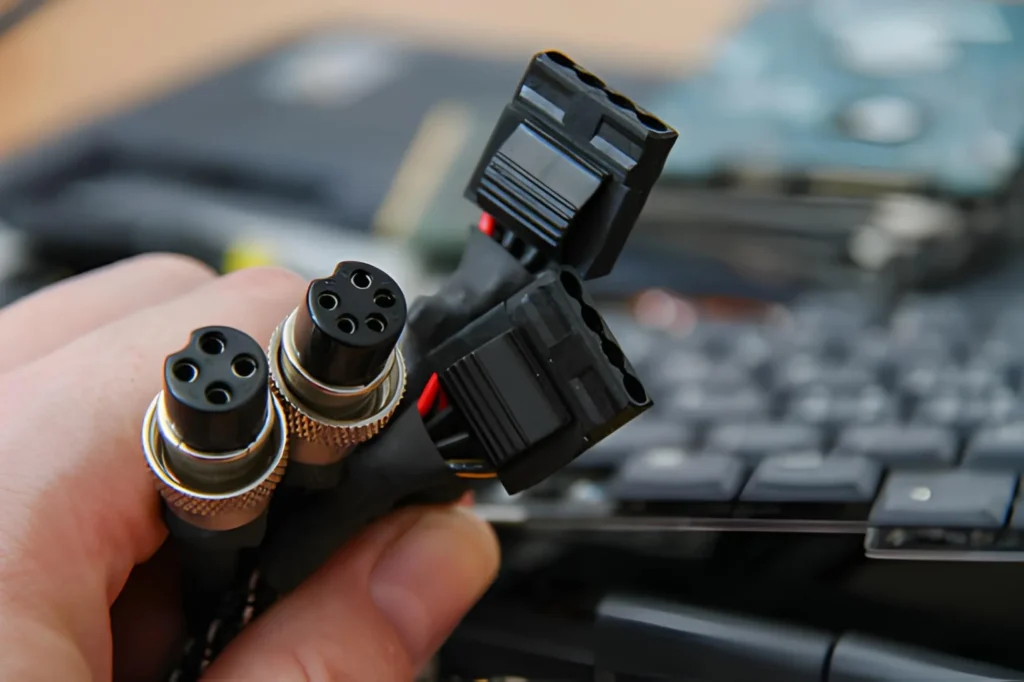
Types of Aviation Connectors Explained with Key Features and Standards
Aviation connectors are critical components in aircraft electrical systems, serving as the essential links that connect power, signal, and data lines throughout an airplane. These connectors ensure that all electrical systems—from avionics to engine controls—operate reliably and efficiently. Designed to withstand harsh environments, including intense vibration, wide temperature extremes, moisture, and exposure to corrosive agents, aviation connectors are built for durability and resilience.
Originally developed for military applications, aviation connectors have evolved to meet the increasingly stringent demands of modern aerospace technology. Their design has continuously improved to offer secure connections that resist accidental disconnection, provide strong electromagnetic interference (EMI) shielding, and help reduce overall aircraft weight.
Key benefits of aviation connectors include:
- Secure and reliable connections that support critical electrical systems.
- High-level EMI shielding to prevent signal disruption.
- Lightweight materials to contribute to overall aircraft efficiency.
Today’s aerospace electrical connectors are a result of decades of innovation, ensuring that aircraft systems remain safe and dependable under the toughest operating conditions.
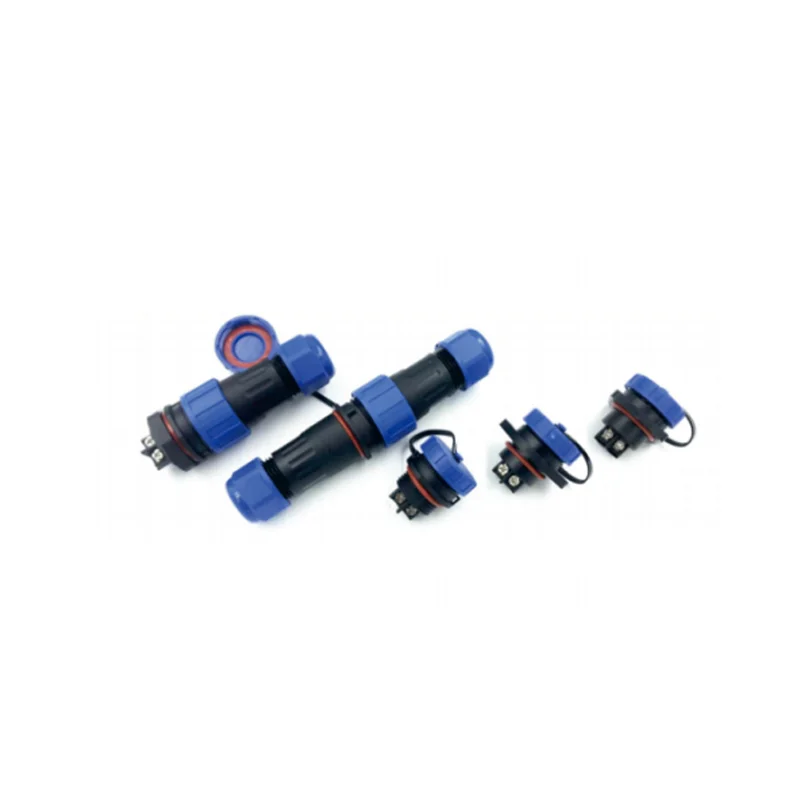
Main Classifications of Aviation Connectors
Aviation connectors come in various types, each designed to meet specific needs in aircraft electrical systems. The main classifications fall into three categories:
By Shape:
- Circular Connectors: The most common type, known for their robustness and ease of coupling. They typically feature threaded or bayonet locking mechanisms providing strong connections in tight spaces.
- Rectangular Connectors: Offer higher contact density, ideal for limited spaces where many connections are needed. These are often used in avionics bays and control panels.
By Application:
- Power Connectors: Designed to handle high current and voltage safely, often with heavy-duty shells and contacts.
- Signal and Data Connectors: Used for transmitting low-voltage control signals and digital data, including avionics communication lines.
- RF Connectors: Specialized types like BNC, TNC, or SMA designed for high-frequency signals in antennas and communication systems.
- Fiber Optic Connectors: Provide high-speed, interference-free data transmission within aircraft networks.
By Environment:
- Standard Connectors: Used in controlled environments with moderate conditions.
- Waterproof Connectors: Rated with IP67 or IP68 protection, made to resist moisture and prevent corrosion—essential for harsh or outdoor exposure.
- Hermetic Connectors: Sealed to prevent gas and moisture ingress, critical in pressurized or sensitive areas.
- Fireproof Connectors: Built with materials able to maintain integrity and function under extreme heat, especially near engines or hot zones.
Choosing the right connector depends on balancing these factors: shape, function, and environment. For example, waterproof aviation connectors are crucial for areas prone to moisture, while circular aviation connectors dominate most power and signal roles due to their durability and proven designs.
For tough sealing solutions in moisture-heavy settings, products like the IP68-rated stainless steel cable glands ensure long-lasting, secure connections.
By understanding these classifications, aircraft designers and maintenance teams can select connectors that boost system reliability and simplify installation in challenging aerospace environments.
Circular Aviation Connectors: The Most Common Type
Circular aviation connectors are widely used for their rugged design and reliable performance in harsh aerospace environments. They typically feature threaded or bayonet coupling to ensure secure, vibration-resistant connections. These connectors also support high-density pin configurations, making them ideal for complex avionics and power systems.
Popular Series and Standards
| Connector Series | Coupling Type | Typical Use | 주요 기능 |
|---|---|---|---|
| MIL-DTL-38999 | Threaded | High-performance avionics | Scoop-proof, quick coupling, multiple series (I-IV) |
| MIL-DTL-5015 | Threaded | Power and heavy-duty systems | Durable, high current capacity |
| MIL-DTL-26482 | Bayonet | General avionics | Fast mating, lightweight |
| ARINC 600 | Rack-and-panel | Avionics bay connections | Blind-mate, modular design |
| GX Series (GX12, GX16, GX20) | Threaded or bayonet | Commercial, industrial, waterproof | Cost-effective, IP-rated, corrosion-resistant |
Key Features of Circular Connectors
- Designed to withstand vibration, temperature extremes, and moisture.
- Available with various IP ratings for waterproofing (IP67, IP68 common).
- Built using materials like aluminum, composite, or stainless steel to balance weight, strength, and corrosion resistance.
- Support a wide range of pin counts, allowing customization for power, signal, or data lines.
For more specific examples of robust circular aviation connectors, check out the SD28 series aviation connector which offers excellent water and dust protection in a lightweight design.
These circular connectors remain a staple in aerospace because they combine durability with versatility, whether for cockpit avionics, engine control, or communication systems.
Rectangular Aviation Connectors
Rectangular aviation connectors offer a key advantage: higher contact density in limited space. This makes them ideal for modern aircraft systems where saving space is critical without sacrificing performance. They provide a compact and efficient way to handle complex wiring needs in cockpit controls, cabins, and avionics racks.
Common Types
D-Subminiature (MIL-DTL-24308)Known for their compact size, D-Sub connectors are widely used for data transfer and signal connections in avionics systems. Their rugged design ensures reliability even under vibration and extreme temperature changes.
ARINC 404/600
These modular connectors are a standard in commercial aviation, used extensively for in-flight entertainment systems and cockpit controls. Their design supports easy installation and removal, helping maintain efficiency during upgrades or repairs.
Rack-and-Panel Connectors
Designed for quick maintenance, these connectors provide a blind-mate interface, allowing technicians to connect or disconnect wiring without direct line-of-sight. This feature saves time and reduces the risk of damage during aircraft servicing.
Rectangular aviation connectors combine durability and space-saving benefits, making them a staple in aerospace electrical systems that require high pin counts and secure connections.
For more on reliable connector options, you can check out our detailed overview of the LD28 series aviation connector for rugged and compact solutions.
Specialized Aviation Connectors
Specialized aviation connectors serve unique roles beyond standard power and signal connections. Headset connectors like GA dual plugs (PJ-055/PJ-068), U-174/U (used in helicopter NATO systems), and LEMO/REDEL types are designed for reliable audio communication in the cockpit and crew headsets.
For antennas and high-frequency applications, RF aviation connectors such as BNC, TNC, and SMA ensure efficient transmission of radio frequency signals with minimal loss. These connectors are crucial for navigation, communication, and radar systems onboard.
In harsh environments, waterproof aviation connectors rated to IP67 or IP68 provide superior protection against moisture, dust, and corrosion. These variants often feature corrosion-resistant plating and ruggedized housing to withstand extreme conditions.
Finally, hermetic and fireproof connectors are essential for pressurized sections and high-heat zones within aircraft. They maintain airtight seals and resist extreme temperatures, ensuring safety and integrity in critical systems.
Choosing specialized connectors like these guarantees secure, durable, and mission-critical performance in modern aerospace applications.
Key Standards and Specifications for Aviation Connectors
Aviation connectors must meet strict standards to ensure reliability in harsh conditions. The MIL-DTL series is the benchmark for performance in aerospace electrical systems:
| Standard | 설명 | 주요 기능 |
|---|---|---|
| MIL-DTL-38999 | High-performance circular connectors | Scoop-proof design, quick coupling, multiple series (I-IV) |
| MIL-DTL-5015 | Heavy-duty circular connectors for power | Threaded coupling, rugged construction |
| MIL-DTL-26482 | Bayonet-coupling circular connectors | Lightweight, common in avionics |
These military spec connectors are tested for:
- Vibration resistance: Must withstand aircraft vibrations without loosening connections.
- 온도 범위: Typically rated from -65°C to +200°C, suitable for extreme environments.
- Salt spray resistance: Ensures corrosion protection during exposure to moisture and saline air.
Besides military specs, many commercial equivalents and derivatives offer cost-effective options for less demanding applications. These maintain essential features like waterproof aviation connector capabilities and EMI shielding.
Choosing connectors compliant with these standards guarantees secure, durable connections critical for aerospace electrical connectors.
For added protection in wet environments, consider products like the IP68 watertight metric connector cable gland, which offer enhanced sealing against moisture ingress.
How to Choose the Right Aviation Connector
Selecting the right aviation connector is crucial for reliable aircraft performance. Here are the key factors to consider when picking connectors for avionics systems:
| 요인 | 확인해야 할 사항 |
|---|---|
| 환경 | Harsh conditions like vibration, temperature extremes, moisture, and EMI exposure require rugged, waterproof, or hermetic connectors. |
| Pin Count | Match the number of contacts to your signal, power, or data needs without oversizing. |
| Current/Voltage | Ensure connectors handle the system’s electrical load safely to avoid failures. |
| Coupling Type | Choose between threaded, bayonet, or quick-release based on accessibility and vibration resistance. |
| Weight | Lightweight materials (aluminum, composite) help reduce overall aircraft weight without compromising durability. |
Common Mistakes to Avoid
- Overlooking environment needs: Using standard connectors in wet or corrosive areas can cause failures.
- Ignoring standards: Avoid connectors that don’t meet MIL-DTL or ARINC specifications for your application.
- Mismatch in pin count: Too few pins limit functionality; too many add unnecessary bulk and cost.
- Neglecting EMI shielding: This can cause interference in sensitive avionics.
- Forgetting maintenance needs: Some connectors are easier to inspect and replace than others.
Quick Selection Checklist for Avionics Systems
- Confirm operating temperature range meets -65°C to 200°C.
- Verify vibration and shock resistance ratings.
- Check IP ratings for waterproof or dustproof requirements.
- Select connector series compliant with MIL-DTL-38999 or MIL-DTL-5015 for power and signal.
- Ensure compatibility with mating parts and cable sizes.
- Confirm EMI/RFI shielding where needed.
Choosing the right aviation connector means balancing performance, durability, and ease of maintenance. For a wide range of durable and reliable options, explore specialized aviation connectors designed to meet tough aerospace demands.
Applications in Modern Aircraft
Aviation connectors play a crucial role across various systems in modern aircraft, ensuring reliable power and data flow under demanding conditions.
Avionics and Flight Controls:
Connectors for avionics systems are essential for linking flight control computers, sensors, and navigation equipment. These connectors ensure secure, vibration-resistant connections vital for safe flight operations. Circular aviation connectors like MIL-DTL-38999 series are widely used here due to their durability and EMI shielding.
Power Distribution and Engine Systems:
Heavy-duty connectors, such as those from the MIL-DTL-5015 series, handle high current loads for power distribution and engine controls. Their robust construction withstands temperature extremes and vibration, ensuring continuous engine performance.
Communication and Navigation:
RF aviation connectors, including BNC, SMA, and TNC types, support antenna connections and radio communication systems. These connectors provide high-frequency signal integrity critical for navigation and air-to-ground communications.
In-Flight Entertainment and Cabin Systems:
Rectangular aviation connectors like ARINC 600 and D-Subminiature types are common in cabin systems, offering high contact density in compact spaces. They ensure seamless connectivity for passenger entertainment, lighting, and other cabin controls.
These applications highlight the importance of selecting the right connector type—circular, rectangular, or specialized—to meet the specific demands of each aircraft system. For more on connector types suitable for harsh environments, you can explore detailed options on military spec connectors and robust circular aviation connectors frequently used in aerospace.
Maintenance and Best Practices for Aviation Connectors
Proper maintenance is crucial to keep aviation connectors performing reliably under tough conditions. Regular inspection helps spot issues like corrosion, bent pins, or damaged seals before they cause failures. Look for signs of wear, dirt, and moisture intrusion, especially on circular aviation connectors 그리고 waterproof aviation plugs exposed to harsh environments.
Cleaning should be gentle but thorough:
- Use approved solvents that won’t degrade connector materials
- Avoid abrasive tools that can damage contacts or sealing surfaces
- Dry connectors completely before reconnecting to prevent moisture-related faults
Troubleshooting often starts with verifying electrical continuity and signal integrity. Replace any connector showing inconsistent performance, loose coupling, or signs of physical damage.
When it comes to compatibility and replacement, always:
- Match connector series and pin configuration exactly (e.g., MIL-DTL-38999 to MIL-DTL-38999)
- Use connectors rated for your environment (hermetic, waterproof, or fireproof as needed)
- Confirm voltage, current, and data transmission specs align with system requirements
Following these guidelines will ensure your aerospace electrical connectors remain safe, robust, and long-lasting. For detailed component selection and maintenance tools, exploring resources like the pendant control station supplier selection guide can provide useful insights for reliable system controls and connections.