









Analysis of the main types of proximity switch sensors
Proximity sensors are the unsung heroes of automation, playing a crucial role in detecting objects without physical contact. They’re essential in industries ranging from manufacturing to security systems. This article will dive into the primary types of proximity sensors, exploring their working principles, applications, and both the advantages and disadvantages of each.
Overview of Proximity Sensor Types
Proximity sensors operate based on different sensing principles, each tailored for specific applications. Here’s a snapshot of the main types:
| Sensor Type | Working Principle | Common Applications |
|---|---|---|
| Inductive | Detects changes in electromagnetic fields caused by metal objects. | Manufacturing, automotive industry. |
| Capacitive | Measures changes in capacitance due to the presence of objects. | Food processing, liquid level detection. |
| Ultrasonic | Uses sound waves to measure distance. | Autonomous vehicles, anti-collision systems. |
| Photoelectric | Detects objects by interrupting or reflecting light beams. | Conveyor belts, packaging industry. |
| Magnetic | Senses changes in magnetic fields. | Security systems, consumer electronics. |
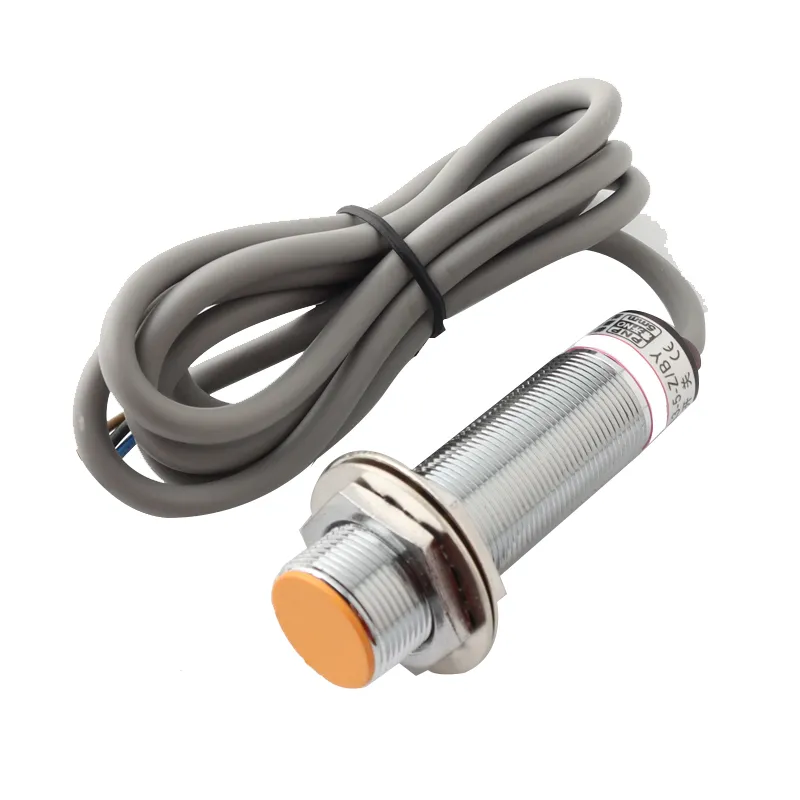
Inductive Proximity Sensors
- Working Principle: These sensors generate an electromagnetic field. When a metal object enters this field, it alters the sensor’s inductance, triggering a response.
- Applications: Widely used in manufacturing and the automotive industry for detecting metal parts. For instance, they can monitor the presence of metal components on a production line.
- Advantages and Disadvantages: They offer high reliability and resistance to environmental factors but are limited to detecting metal objects.
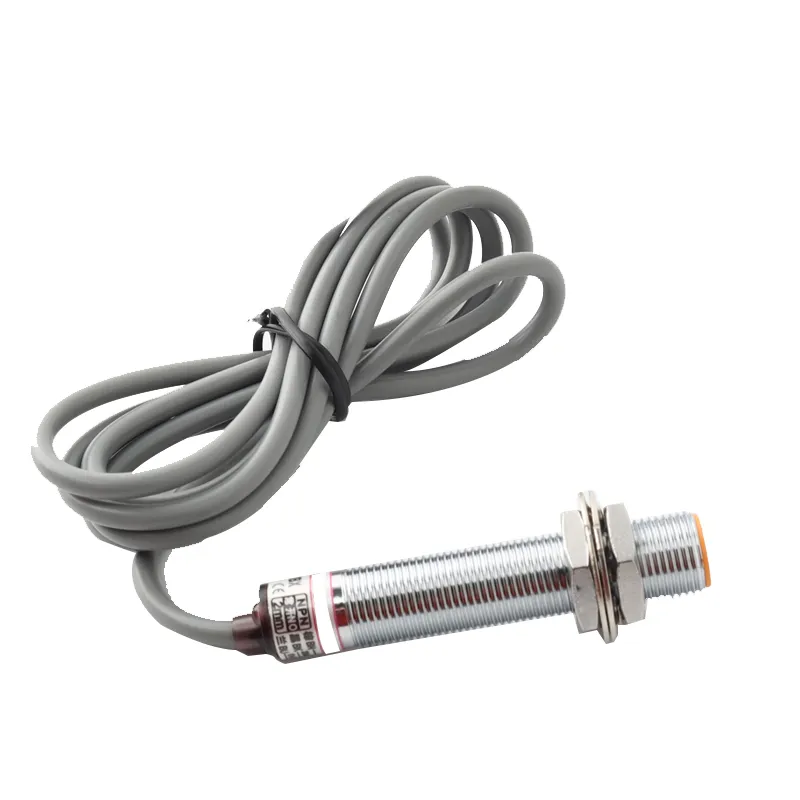
Capacitive Proximity Sensors
- Working Principle: Capacitive sensors measure changes in capacitance caused by the presence of objects, detecting both metal and non-metallic materials.
- Applications: Commonly used in food processing and liquid level detection. They can detect through non-conductive materials, making them ideal for applications where metal sensors would fail.
- Advantages and Disadvantages: They can detect a wide range of materials but are sensitive to environmental conditions like humidity.
Ultrasonic Proximity Sensors
- Working Principle: These sensors use sound waves to measure distances. They emit ultrasonic waves and calculate the time it takes for the waves to bounce back from an object.
- Applications: Used in autonomous vehicles and anti-collision systems for detecting obstacles. For example, they help drones avoid collisions by accurately measuring distances.
- Advantages and Disadvantages: They offer precise distance measurement but can be affected by environmental factors like air pressure and temperature.
Photoelectric Proximity Sensors
- Working Principle: Photoelectric sensors detect objects by either interrupting a light beam or reflecting light off the object.
- Applications: Frequently used in conveyor belts and the packaging industry for detecting objects. They can accurately count items on a production line.
- Advantages and Disadvantages: They provide high accuracy but can be affected by dust, fog, or intense light.
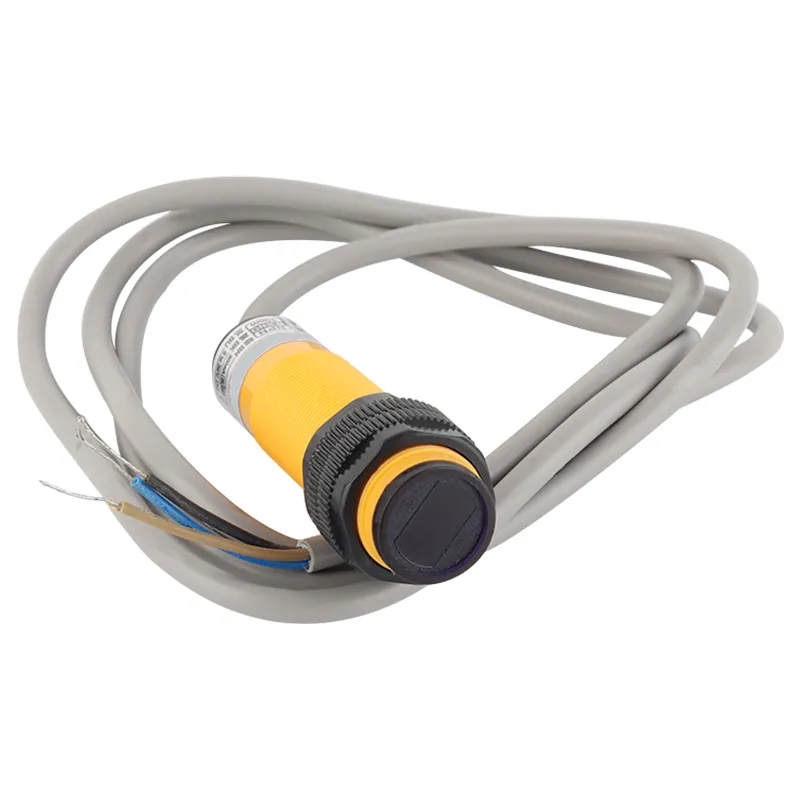
Magnetic Proximity Sensors
- Working Principle: Magnetic sensors detect changes in magnetic fields caused by the presence of ferromagnetic materials.
- Applications: Used in security systems and consumer electronics for detecting magnetic fields. They can secure doors by detecting when they are open or closed.
- Advantages and Disadvantages: They are simple and reliable but limited to detecting ferromagnetic materials.
In conclusion, each type of proximity sensor has its unique strengths and applications. Understanding these differences is crucial for selecting the right sensor for specific tasks. As technology advances, we can expect further innovations in proximity sensing, enhancing their efficiency and versatility across various industries.