



A structured production and inspection system ensures consistent product performance, helping customers reduce defects and maintain stable supply.


Our engineering team works closely with clients to develop solutions tailored to specific installation environments and technical requirements.


From product selection to post-delivery assistance, our team provides fast and professional support to keep your systems operating reliably.
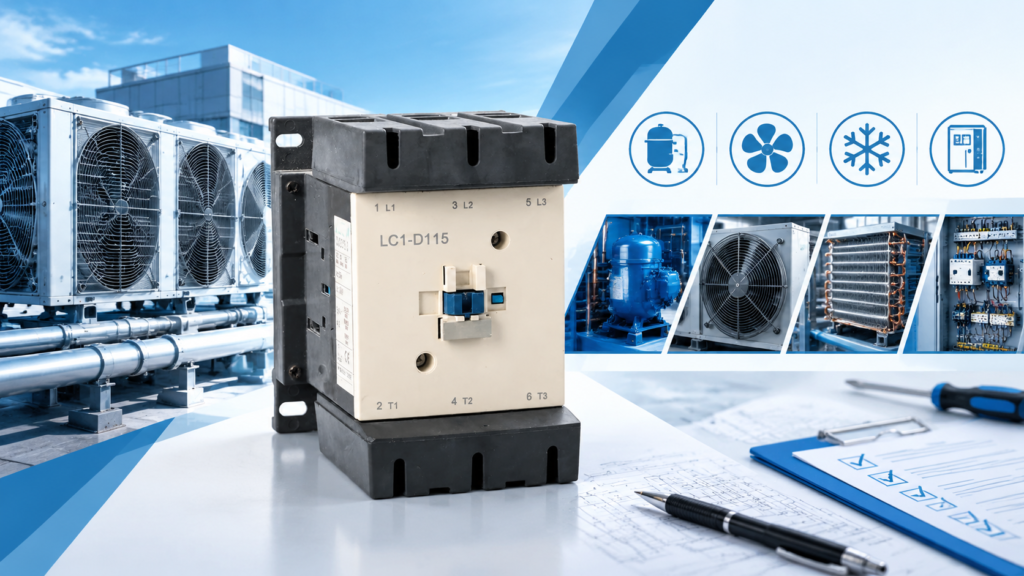
The choice between alternating current (AC) and direct current (DC) is the difference brtween AC vs DC control circuits. This articale provides a systematic comparison of AC- and DC-powered control circuits across four dimensions: operational reliability during fault conditions, electromechanical switching performance, system complexity and lifecycle cost, and safety considerations. DC control systems—typically operating at 110 V or 220 V from dedicated battery banks—offer decisive advantages in protection dependability and autonomy during AC network collapse. AC control circuits, simpler and less capital-intensive, introduce a fundamental dependency that can disable protection schemes precisely when they are most needed. We hope this article can help buyer about the engineering boundary conditions under […]
Why Utilization Categories Matter for Contactor Selection Specifying a contactor by rated current alone is one of the fastest ways to end up with welded contacts, short electrical life, and unplanned downtime. The contactor utilization category—defined in IEC 60947-4-1—tells you what kind of load the contactor can switch and how severe that switching duty is. Two contactors with the same ampere rating can have completely different real-world performance depending on whether they are rated for AC-3 or AC-4 duty. If you are selecting an AC contactor for a motor application, understanding the difference between AC-3 and AC-4 categories is not optional—it is the single most important factor that determines whether your installation will […]
The Wrong Contactor Costs More Than the Right One Picking an right AC contactor is a bit like buying tires for a truck. Besides international standards, there are other points to note. Put passenger-car tires on it, and you’ll be on the side of the highway with a blowout by noon. Go wildly oversized, and you’re burning fuel and cash for no reason. The sweet spot is knowing the load, the road conditions, and the numbers that connect them. I’ve seen a 160 kW compressor eat through three undersized contactors in a single month because someone sized for the running current and forgot about the 7x inrush. Each replacement meant […]
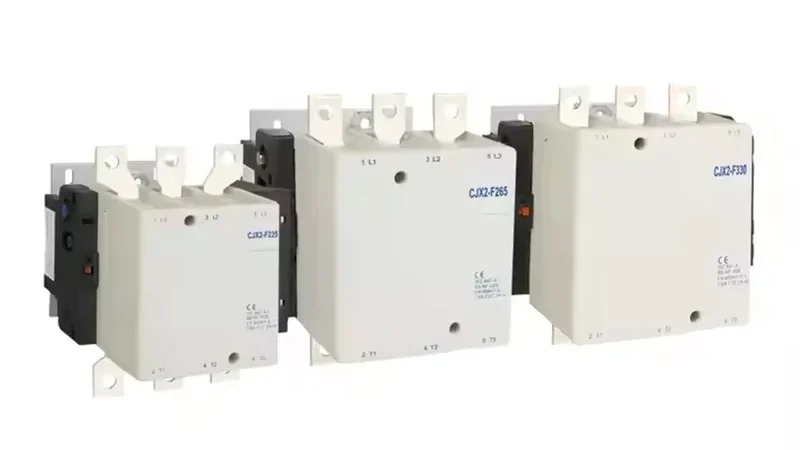
AC Contactor and Relay have difference? Walk into any electrical panel, and you’ll spot both contactors and relays sitting side by side. They look similar enough to fool a casual observer — both are rectangular boxes with terminals, coils, and moving contacts inside. Put a CJX2-F225 AC contactor next to a standard industrial relay, and at a distance, you’d have a hard time telling which is which. That’s where the confusion starts. An electrician once told me he spent half a morning troubleshooting a pump system, only to realize the panel builder had swapped in a relay where a contactor belonged. The relay worked fine on the bench test but burned its […]
お問い合わせには24時間以内に返信いたします。
お客様のプライバシーを尊重します
We use cookies to improve your browsing experience, deliver personalized content, and analyze our traffic.