AC Contactor VS DC Contactor – Control Circuits

AC Contactor VS DC Contactor – Control Circuits

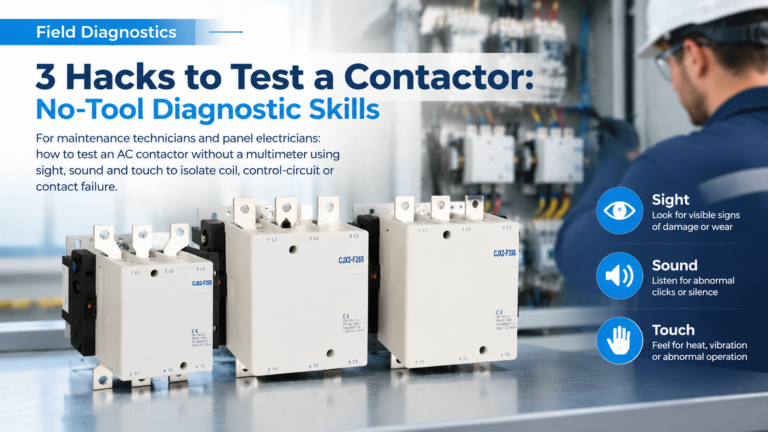
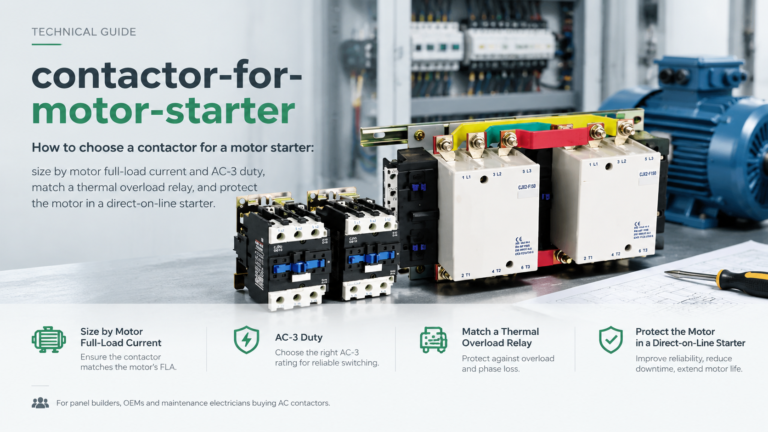
The choice between alternating current (AC) and direct current (DC) is the difference brtween AC vs DC control circuits. This articale provides a systematic comparison of AC- and DC-powered control circuits across four dimensions: operational reliability during fault conditions, electromechanical switching performance, system complexity and lifecycle cost, and safety considerations. DC control systems—typically operating at 110 V or 220 V from dedicated battery banks—offer decisive advantages in protection dependability and autonomy during AC network collapse. AC control circuits, simpler and less capital-intensive, introduce a fundamental dependency that can disable protection schemes precisely when they are most needed. We hope this article can help buyer about the engineering boundary conditions under […]
Read More
AC-3 vs AC-4 Usage Category Comparison

AC-3 vs AC-4 Usage Category Comparison

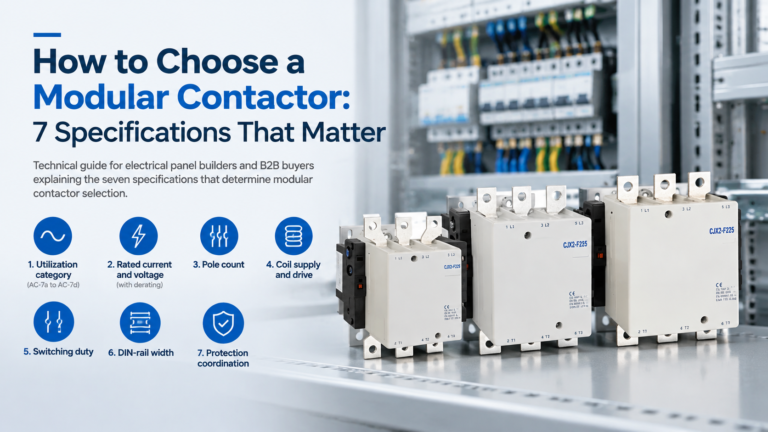
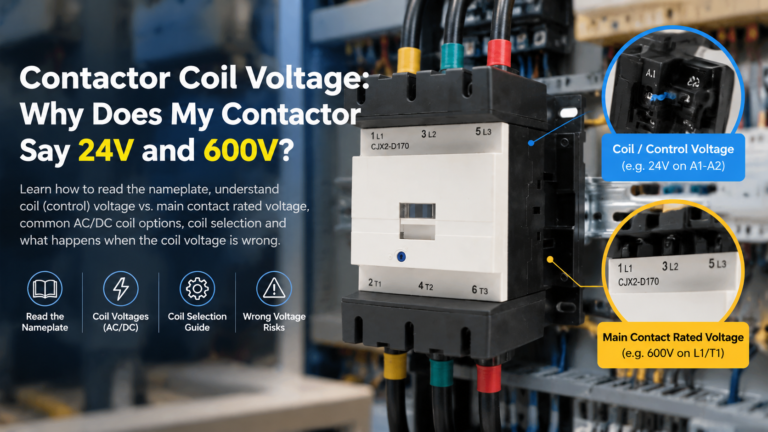
Why Utilization Categories Matter for Contactor Selection Specifying a contactor by rated current alone is one of the fastest ways to end up with welded contacts, short electrical life, and unplanned downtime. The contactor utilization category—defined in IEC 60947-4-1—tells you what kind of load the contactor can switch and how severe that switching duty is. Two contactors with the same ampere rating can have completely different real-world performance depending on whether they are rated for AC-3 or AC-4 duty. If you are selecting an AC contactor for a motor application, understanding the difference between AC-3 and AC-4 categories is not optional—it is the single most important factor that determines whether your installation will […]
Read More
How to Choose the Right AC Contactor for Your Motor

How to Choose the Right AC Contactor for Your Motor

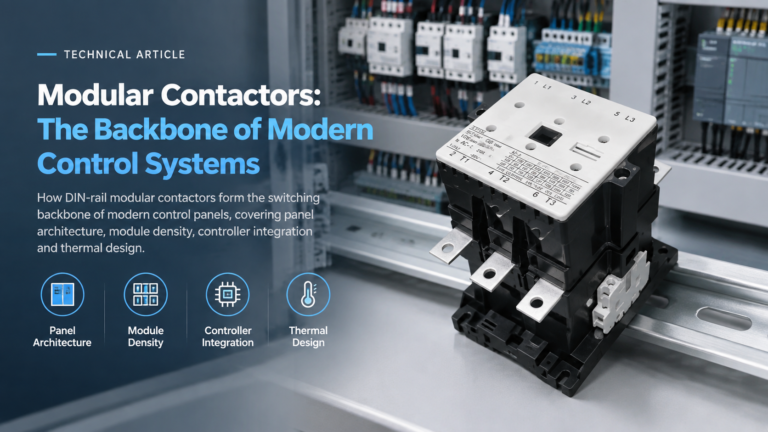
The Wrong Contactor Costs More Than the Right One Picking an right AC contactor is a bit like buying tires for a truck. Besides international standards, there are other points to note. Put passenger-car tires on it, and you’ll be on the side of the highway with a blowout by noon. Go wildly oversized, and you’re burning fuel and cash for no reason. The sweet spot is knowing the load, the road conditions, and the numbers that connect them. I’ve seen a 160 kW compressor eat through three undersized contactors in a single month because someone sized for the running current and forgot about the 7x inrush. Each replacement meant […]
Read More
What’s The Real Difference Of AC Contactor And Relay?

What’s The Real Difference Of AC Contactor And Relay?

AC Contactor and Relay have difference? Walk into any electrical panel, and you’ll spot both contactors and relays sitting side by side. They look similar enough to fool a casual observer — both are rectangular boxes with terminals, coils, and moving contacts inside. Put a CJX2-F225 AC contactor next to a standard industrial relay, and at a distance, you’d have a hard time telling which is which. That’s where the confusion starts. An electrician once told me he spent half a morning troubleshooting a pump system, only to realize the panel builder had swapped in a relay where a contactor belonged. The relay worked fine on the bench test but burned its […]
Read More
What is an AC Contactor?-Construction & Standard

What is an AC Contactor?-Construction & Standard

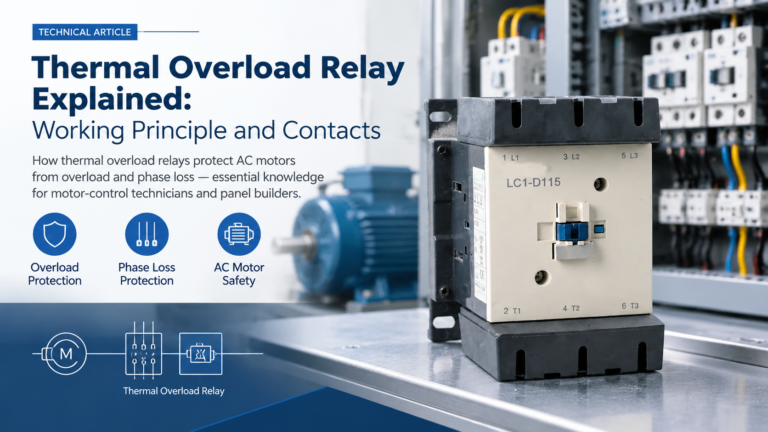
Imagine your factory’s electrical distribution system as a complex railway network. Trains (electric current) need signals to know when to proceed. The AC contactor acts as the signal controller—receiving commands from operators or automation systems and determining when power flows to motors, heaters, and other industrial equipment. This electromagnetic switch performs millions of operations over its lifetime, making it one of the hardest-working components in any industrial control panel. What is an AC Contactor? An AC contactor is an electrically operated switch designed for switching AC power circuits. Unlike a manual switch that requires someone to flip it, contactors respond to control signals from buttons, programmable logic controllers (PLCs), or […]
Read More
How to Choose an Electric Hoist Push Button Switch

How to Choose an Electric Hoist Push Button Switch

Choosing the right electric hoist push button switch is not just about finding a handheld control with a few buttons. In real lifting applications, the wrong choice can create wiring mismatch, poor operator control, replacement delays, or unnecessary safety risks during hoist and crane operation.
Read More
How to Choose a 2 Button Pendant Control for Hoists

How to Choose a 2 Button Pendant Control for Hoists

A 2 button pendant control is a hand-held control station designed for simple machine motion, looks simple, but choosing the wrong one can create real problems in hoist and lift applications.
Read More
Explore XAC-A871 8 button crane pendant for buyer

Explore XAC-A871 8 button crane pendant for buyer

The XAC-A871 is commonly identified as an 8-way or 8 pushbutton pendant control station for single-speed hoisting applications.with a yellow polypropylene enclosure and double-insulated construction.
Read More
6 Button Pendant Control for Reliable Hoist Operation

6 Button Pendant Control for Reliable Hoist Operation

When I talk with buyers, I notice the same pattern again and again: everyone wants a control solution that is simple, durable, easy to train on, and not allergic to factory reality. That is exactly why the 6 Button Pendant Control still earns serious respect in workshops, hoist systems, and light crane applications. It is not flashy, and honestly, that is part of its charm. A good hanging station does not need to impress the marketing department; it needs to survive operators, dust, gloves, and Monday mornings. For B2B buyers, the real value starts when a control pendant does more than “work.” It should fit the motion logic of the […]
Read More
Hoist Control Pendant Station Manufacturer in China Supplier

Hoist Control Pendant Station Manufacturer in China Supplier

When I talk with procurement teams about crane controls, one pattern shows up again and again: everyone remembers the motor, the inverter, and the hoist, but the Hoist Control Pendant Station gets treated like the quiet extra in the movie. Then one day the quiet extra becomes the whole plot. A hoist control pendant station is not just a button box; it is the operator’s direct interface with motion, safety, speed, and daily productivity. In many industrial plants, that tiny handheld unit decides whether the workday feels smooth, controlled, and profitable—or whether it feels like a meeting that should have been an email. The numbers make the point very clearly. […]
Read More
+86-19730226757 Phone sales@wilmall.com E-mail Chat on WhatsApp WhatsApp