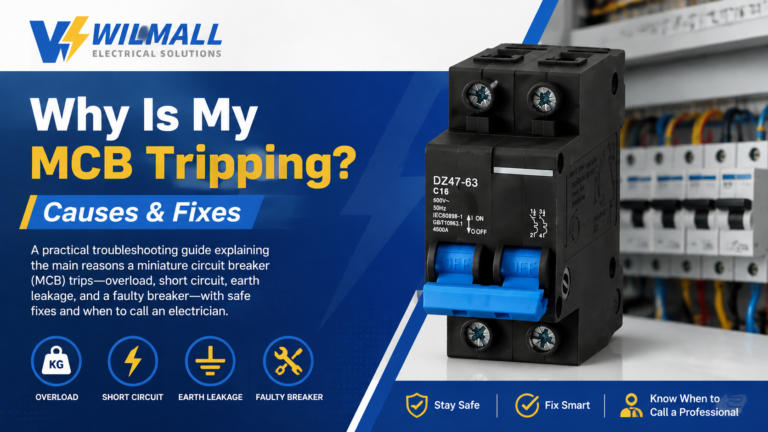








Why Is My MCB Tripping? Causes & Fixes
Your MCB trips for four main reasons: overload, short circuit, earth leakage, or a faulty breaker. This guide explains each cause, how to find it, and how to fix it safely.
Read More
Are you looking for the right ペンダント・コントロール・ステーション for your next project? If so, you’re in the right place. Whether you’re an engineer selecting controls for a crane or a purchasing manager comparing suppliers, this guide will help you make smart, safe decisions about Pendant Control Stations and get the most value from your investment.
So, what exactly is a Pendant Control Station, and why do so many factories rely on them? Picture this: you’re on a bustling plant floor, and heavy machinery needs precise control—quickly and safely. This is where the Pendant Control Station shines, acting as your “remote control” for industrial equipment like overhead cranes, hoists, conveyors, and more.
A COP-21JK Pendant Control Station is essentially a tough, handheld device connected by a cable to your machinery. It houses various controls—push buttons, toggles, emergency stops, and sometimes joysticks—all in a rugged enclosure designed for tough factory environments. The operator stands at a safe distance and commands the machine, keeping hazards at bay while retaining full control over movement, speed, and direction. Because it’s portable, operators can move with their line of sight, enhancing precision and safety.
| 特徴 | 説明 | Typical Specification |
|---|---|---|
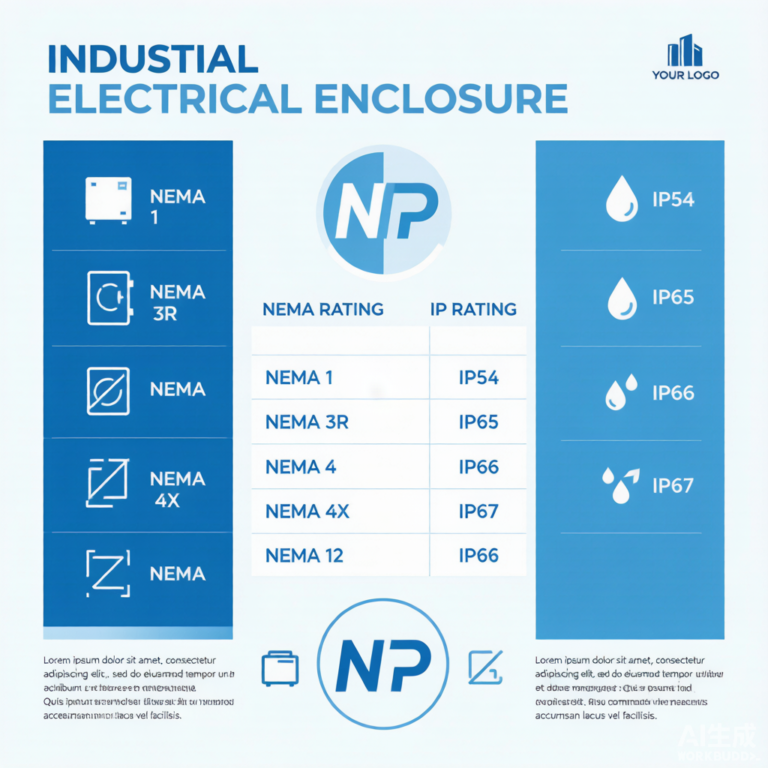
| Enclosure Rating | Protects from dust, water, impact | IP65, IP67, NEMA 4/4X/7/9 |
| Button Configuration | Varies per application | 2–14 buttons, single/double row |
| Cable Length | Safe operator distance | 3–30 meters |
| 緊急停止 | Mandatory safety feature | Always present |
Let’s talk about types—because not every Pendant Control Station is created equal. The features you need will depend on your equipment, environment, and how operators interact with it.
| タイプ | 最適 | 適用例 |
|---|---|---|
| 2-Button | Basic up/down motion | Small hoists |
| 4-Button, 2-Speed | Dual direction, variable speed | Bridge cranes |
| 10-Button | Multi-function machines | Robotics, assembly |
You want your Pendant Control Station to last—and to avoid expensive mistakes that damage your reputation or production lines.
If you’re unsure about environmental specs or operational complexity, don’t gamble—consult your Pendant Control Stations supplier early in the procurement process (there’s a CTA for you!). If you’re planning a new project, you can also contact our team to select the appropriate Pendant Control Station based on your requirements.
Getting your Pendant Control Station up and running isn’t rocket science, but a few practical steps can save frustration and money.
| タスク | Key Step | 頻度 |
|---|---|---|
| Cable Check | Replace split/damaged cables | 毎月 |
| Button Test | Ensure normal return/contact | ウィークリー |
| E-Stop Test | Confirm reliable operation | 毎月 |
| Cleaning | Remove dust/grime/moisture | As needed |
Let’s ground this in the real world. Have you wondered what kinds of sites can benefit most from a new Pendant Control Station?
Imagine you’re in a busy warehouse, and your overhead crane suddenly stops responding. If your Pendant Control Station was poorly installed, with a damaged cable or loose connection, your downtime could cost thousands in delayed shipments. A robust, correctly specified Pendant Control Station is more than just a control box—it’s your insurance policy against avoidable risk.
Is the Pendant Control Station a smart investment? Let’s talk numbers (and shopping tips).
The global market for Pendant Control Stations is booming, driven by demand for safer and more automated material handling. In 2024, the market was valued at roughly $1.2 billion and is expected to almost double in the next decade. Pendant Control Station prices vary widely by features, build quality, and supplier—but cost-effectiveness is within reach if you match your needs to the right specification and avoid overbuying.
If you’re seeking the best Pendant Control Station supplier, consider their experience with your industry’s unique demands—and always request detailed quotes to compare Pendant Control Station prices and options.
| ファクター | Impact on Price |
|---|---|
| Number of buttons/functions | More = higher price |
| ケーブル長 | Longer, costlier |
| Enclosure rating/material | Ruggedized is pricier |
| Supplier and brand | Trusted brands = premium but reliable |
Reliable Pendant Control Stations are the unsung heroes of safe, efficient industrial operations. By choosing the right model, ensuring professional installation, and sticking to a regular maintenance routine, you can minimize downtime, maximize safety, and get the most from your investment. Whether you’re looking for a Pendant Control Station supplier to boost your productivity or want the latest info on Pendant Control Station prices, this guide puts the power in your hands.
Ready to upgrade your controls? Request a personalized quote for your Pendant Control Station needs today! Contact our technical sales team to get tailored recommendations for your next industrial project. Don’t let a small detail halt your big operations—reach out now and future-proof your production.
COP-21JK Pendant Control Stations are primarily used to remotely control industrial machinery—such as cranes, hoists, or conveyors—to enhance operator safety and efficiency by allowing operation from a safe distance.