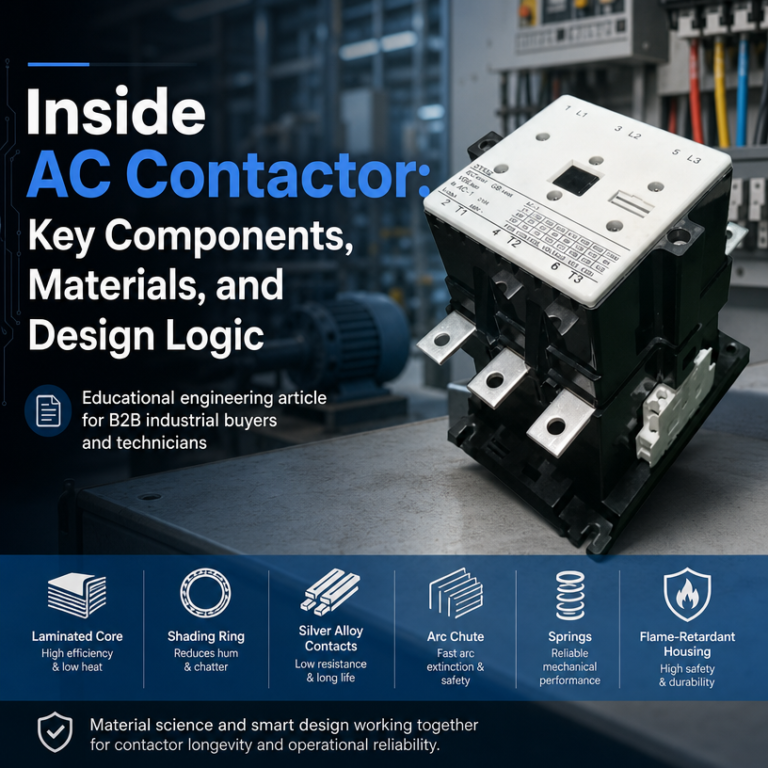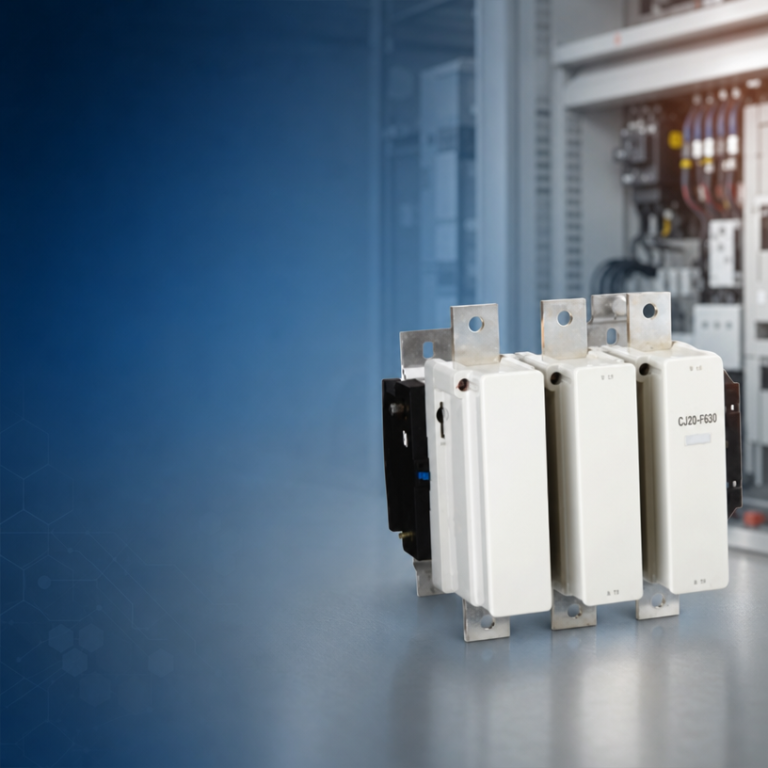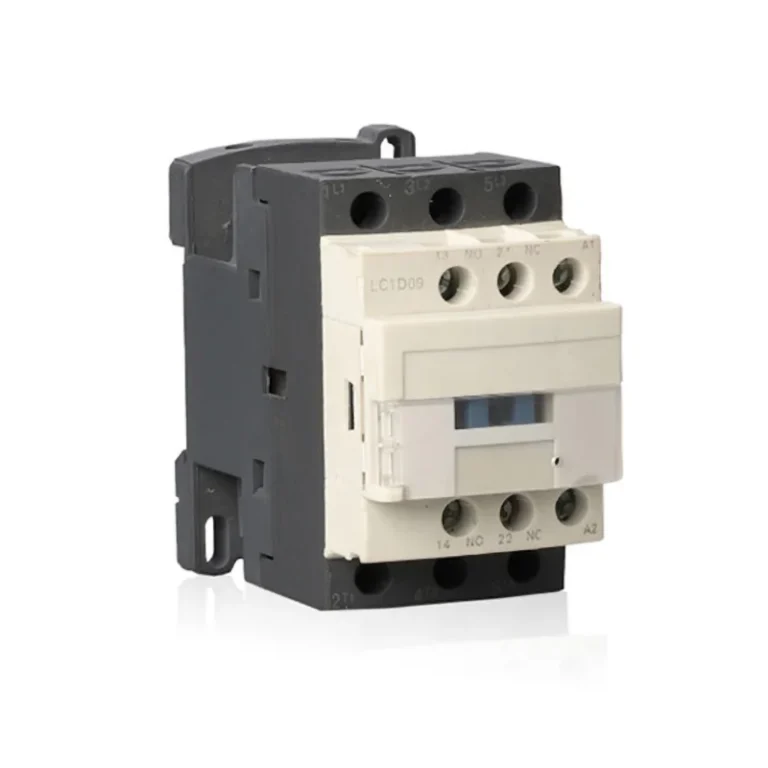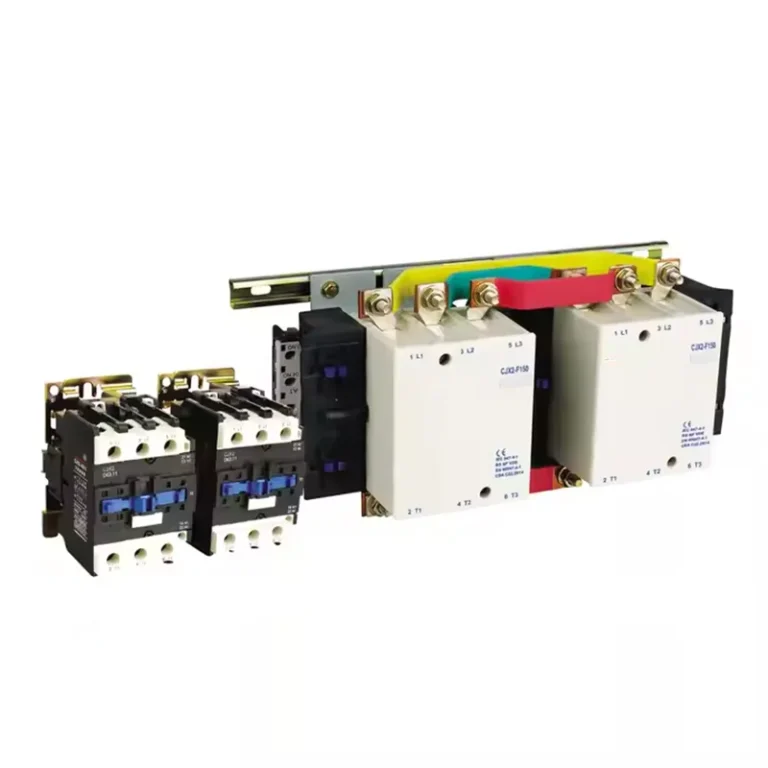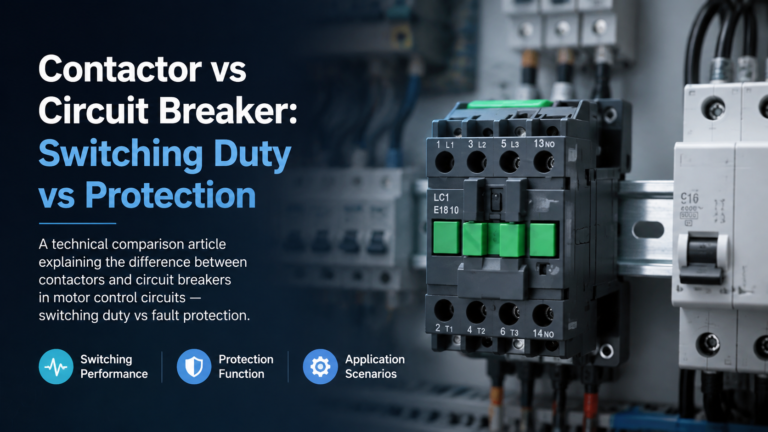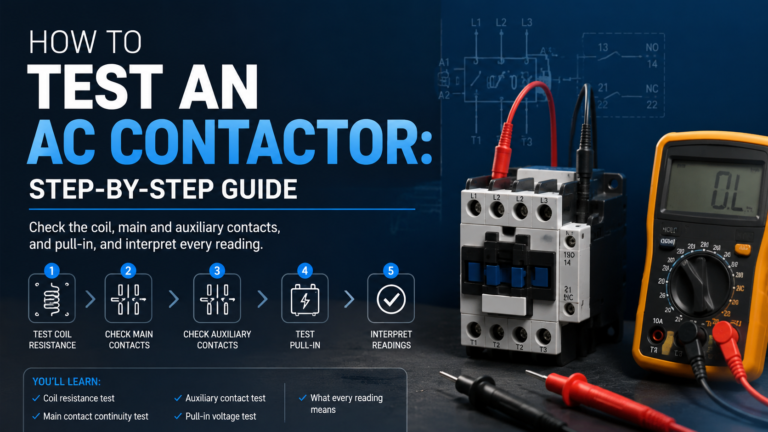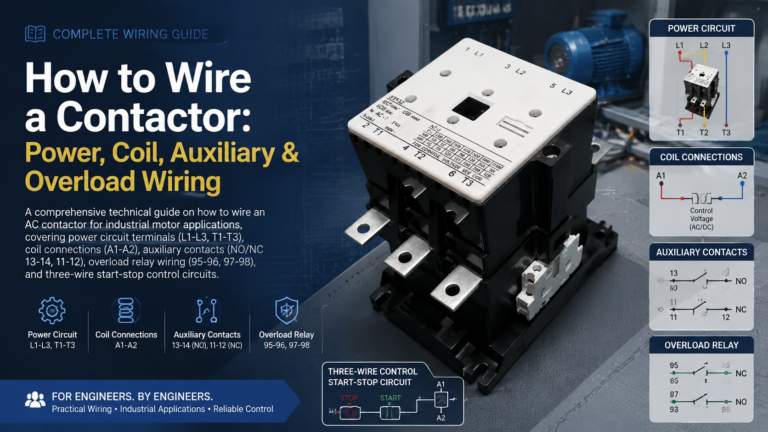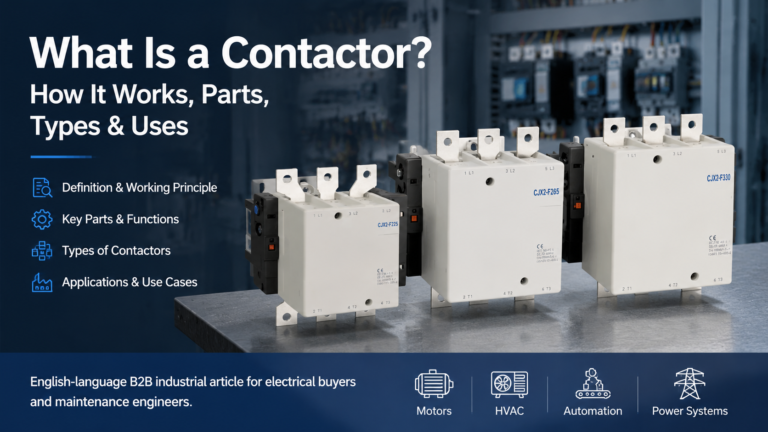








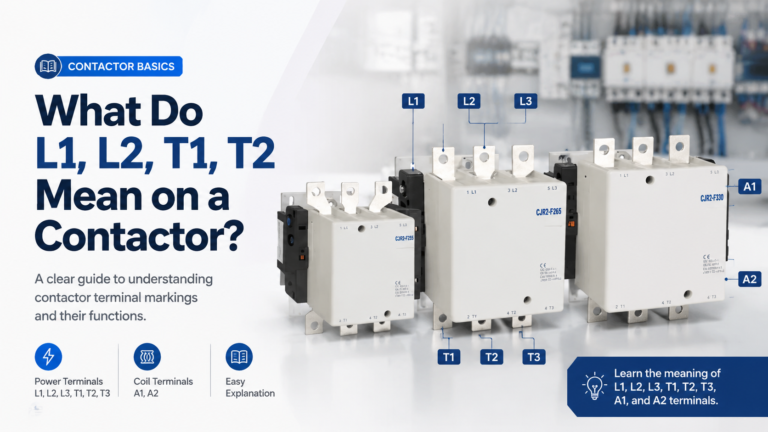
A contactor is an electrically controlled switch for repeated high-current switching. Learn how it works, its main parts, common types, and typical industrial uses.
Choosing the right electrical enclosure means navigating two major rating systems: NEMA and IP. Both describe how well an enclosure protects internal components, but they measure different things and are not interchangeable. Specifying the wrong rating can lead to equipment failures, code violations, and costly field corrections. This guide breaks down the key differences, provides […]
A metal enclosure is one of those parts of an electrical system that is easy to overlook until the wrong one fails. Choose the right type and your switchgear, controls, or solar connections stay protected for years; choose the wrong one and you are looking at rust, dust ingress, overheating, or a failed inspection. The […]
The choice between alternating current (AC) and direct current (DC) is the difference between AC vs DC control circuits. This article provides a systematic comparison of AC- and DC-powered control circuits across four dimensions: operational reliability during fault conditions, electromechanical switching performance, system complexity and lifecycle cost, and safety considerations. DC control systems—typically operating at […]
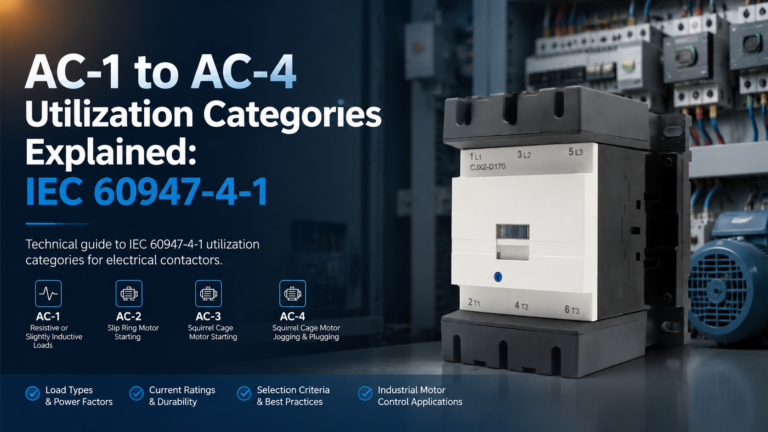
Why Utilization Categories Matter for Contactor Selection Specifying a contactor by rated current alone is one of the fastest ways to end up with welded contacts, short electrical life, and unplanned downtime. The contactor utilization category—defined in IEC 60947-4-1—tells you what kind of load the contactor can switch and how severe that switching duty is. Two […]
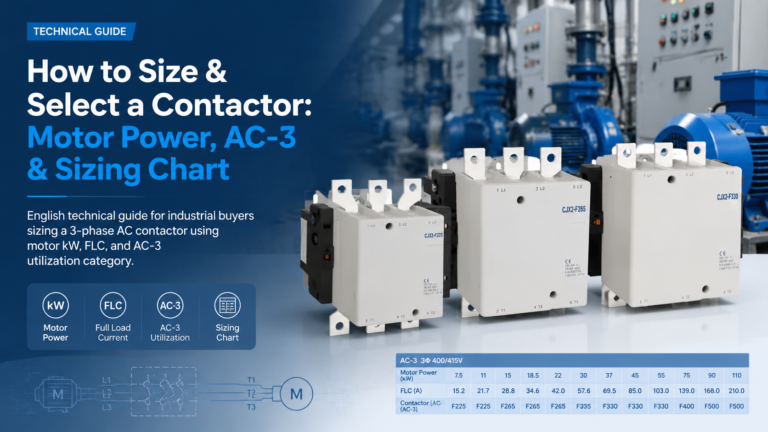
The Wrong Contactor Costs More Than the Right One Picking an right AC contactor is a bit like buying tires for a truck. Besides international standards, there are other points to note. Put passenger-car tires on it, and you’ll be on the side of the highway with a blowout by noon. Go wildly oversized, and […]
AC Contactor and Relay have difference? Walk into any electrical panel, and you’ll spot both contactors and relays sitting side by side. They look similar enough to fool a casual observer — both are rectangular boxes with terminals, coils, and moving contacts inside. Put a CJX2-F225 AC contactor next to a standard industrial relay, and at a […]
Imagine your factory’s electrical distribution system as a complex railway network. Trains (electric current) need signals to know when to proceed. The AC contactor acts as the signal controller—receiving commands from operators or automation systems and determining when power flows to motors, heaters, and other industrial equipment. This electromagnetic switch performs millions of operations over […]
Choosing the right electric hoist push button switch is not just about finding a handheld control with a few buttons. In real lifting applications, the wrong choice can create wiring mismatch, poor operator control, replacement delays, or unnecessary safety risks during hoist and crane operation.
A 2 button pendant control is a hand-held control station designed for simple machine motion, looks simple, but choosing the wrong one can create real problems in hoist and lift applications.
The XAC-A871 is commonly identified as an 8-way or 8 pushbutton pendant control station for single-speed hoisting applications.with a yellow polypropylene enclosure and double-insulated construction.
When I talk with buyers, I notice the same pattern again and again: everyone wants a control solution that is simple, durable, easy to train on, and not allergic to factory reality. That is exactly why the 6 Button Pendant Control still earns serious respect in workshops, hoist systems, and light crane applications. It is […]