Have you ever wondered how machines “see” objects without touching them? Enter the world of diffuse reflection photoelectric switches—a fascinating technology that’s quietly revolutionizing automation. Whether you’re a tech enthusiast or an industry professional, this guide will walk you through everything you need to know about these incredible devices. Let’s dive in!
—
What is a Diffuse Reflection Photoelectric Switch?
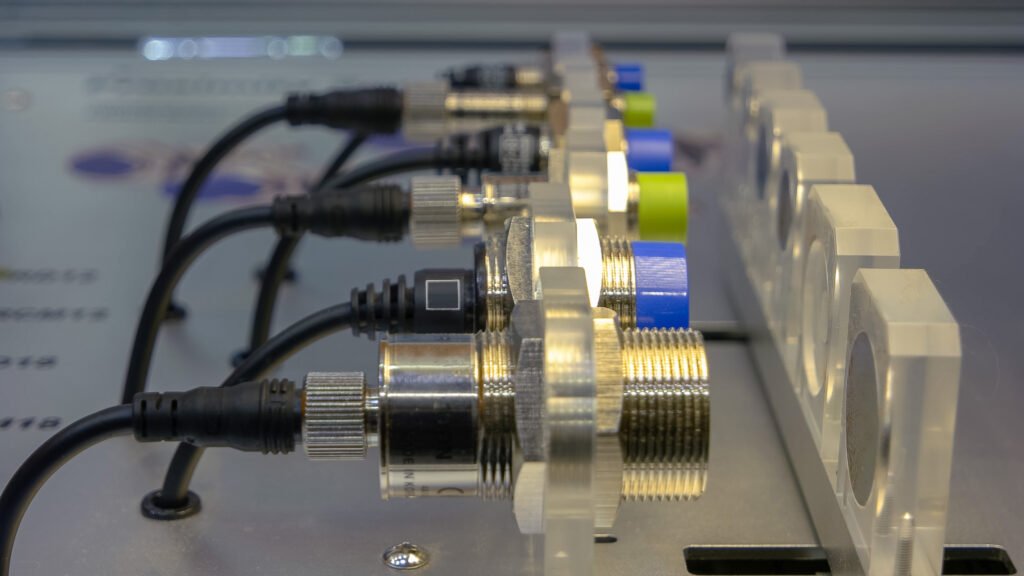
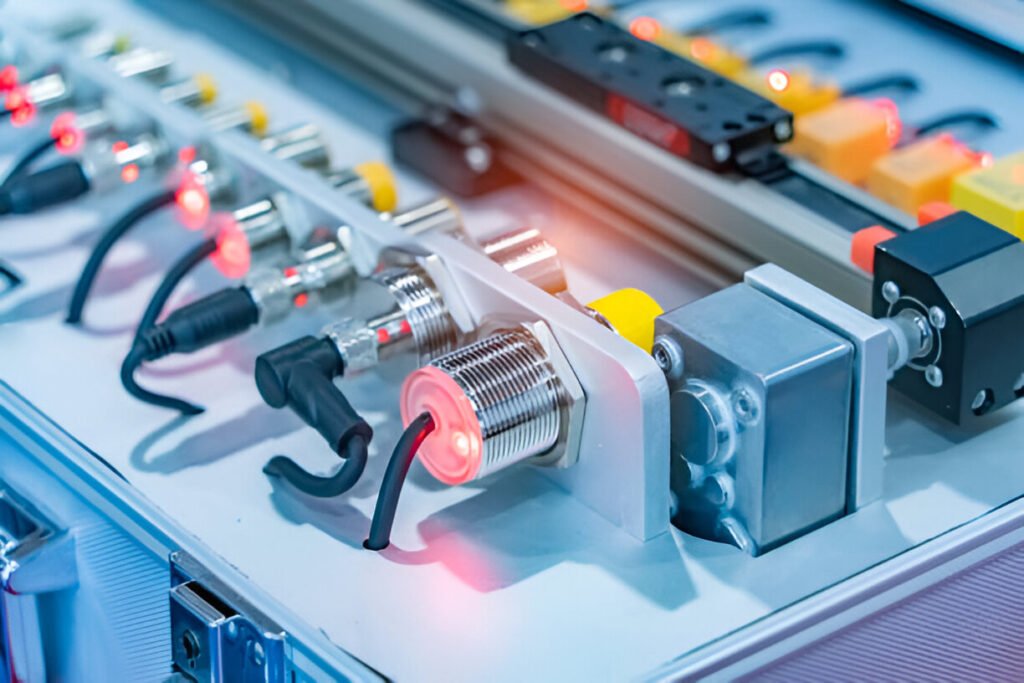
A diffuse reflection photoelectric switch is a type of sensor that detects objects by emitting light and measuring the reflection. Unlike other sensors, it doesn’t require a separate reflector. Instead, it relies on the object itself to reflect the light back to the sensor. Think of it like a flashlight in a dark room—when the light bounces off an object, the sensor “sees” it.
—
How Does It Work?
Imagine you’re playing catch with a ball. You throw it, and it bounces back to you. A diffuse reflection photoelectric switch works similarly. It emits a beam of light (usually infrared or visible light) toward an object. When the light hits the object, it scatters in all directions—this is called diffuse reflection. The sensor then detects the reflected light and triggers a response, like turning on a machine or stopping a conveyor belt.
—
Key Components of a Diffuse Reflection Photoelectric Switch
Light Emitter
This is the “flashlight” of the sensor. It emits a beam of light, typically using an LED.
Light Receiver
The receiver is like the “eye” of the sensor. It detects the reflected light and converts it into an electrical signal.
Signal Processor
This component analyzes the signal from the receiver and determines whether an object is present.
Housing
The housing protects the internal components from dust, moisture, and mechanical damage.
—
Applications: Where Are They Used?
Diffuse reflection photoelectric switches are everywhere! From manufacturing plants to your local grocery store, these sensors play a crucial role in automation.
産業オートメーション
They’re used to detect products on assembly lines, ensuring smooth operations.
Packaging Industry
Ever wonder how machines know when to seal a box? Yep, photoelectric switches!
Security Systems
They can detect intruders by sensing movement in restricted areas.
コンシューマー・エレクトロニクス
Think automatic hand dryers or paper towel dispensers—these switches make them work seamlessly.
—
Advantages of Diffuse Reflection Photoelectric Switches
Non-Contact Detection
No physical contact means less wear and tear, making them durable and reliable.
汎用性
They can detect a wide range of materials, from metal to plastic.
Fast Response Time
These switches work in milliseconds, making them ideal for high-speed applications.
—
Limitations to Keep in Mind
Limited Range
Unlike through-beam sensors, diffuse reflection switches have a shorter detection range.
Sensitivity to Surface Properties
Dark or shiny surfaces can affect accuracy, as they reflect light differently.
—
Choosing the Right Switch for Your Needs
When selecting a diffuse reflection photoelectric switch, consider factors like:
– Detection range
– Material of the object
– Environmental conditions (dust, moisture, etc.)
—
Installation Tips and Best Practices
Positioning Matters
Place the sensor at the correct angle and distance for optimal performance.
Avoid Interference
Keep the sensor away from other light sources to prevent false triggers.
—
メンテナンスとトラブルシューティング
Regular Cleaning
Dust and dirt can block the light beam, so clean the sensor regularly.
Check Alignment
Misalignment can reduce accuracy, so ensure the sensor is properly positioned.
—
Future Trends in Photoelectric Switch Technology
The future looks bright (pun intended)! Expect advancements like:
– Enhanced sensitivity for challenging surfaces
– Integration with IoT for smarter automation
– Miniaturization for compact applications
—
結論
Diffuse reflection photoelectric switches are the unsung heroes of automation, making our lives easier and industries more efficient. From their simple yet ingenious working principle to their wide-ranging applications, these devices are a testament to human ingenuity. Whether you’re setting up a new system or troubleshooting an existing one, understanding these switches can give you a competitive edge.
—
よくあるご質問
What is the difference between diffuse reflection and retroreflective photoelectric switches?
Diffuse reflection switches rely on the object to reflect light, while retroreflective switches use a separate reflector to bounce light back to the sensor.
Can diffuse reflection switches detect transparent objects?
It’s challenging because transparent objects don’t reflect much light. Specialized sensors or alternative technologies may be needed.
How do I increase the detection range of a diffuse reflection switch?
Choose a sensor with a higher power output or use a lens to focus the light beam.
Are these switches affected by ambient light?
Yes, strong ambient light can interfere with detection. Using modulated light or filters can help mitigate this issue.
Can I use a diffuse reflection switch outdoors?
Yes, but ensure it’s rated for outdoor use and protected from environmental factors like rain and dust.