Step-by-step contactor troubleshooting for buzzing, chattering, and coil failure — match the sound to the cause, measure coil voltage under fault, and fix the root issue without replacing good parts.
A bad AC contactor can silence your entire cooling system. This guide walks you through the top symptoms of contactor failure and step-by-step multimeter testing to confirm the diagnosis before replacing parts.
A practical comparison of contactors and control relays covering current ratings, arc suppression, contact configuration, standards, and selection guidance for industrial motor and control circuit applications.
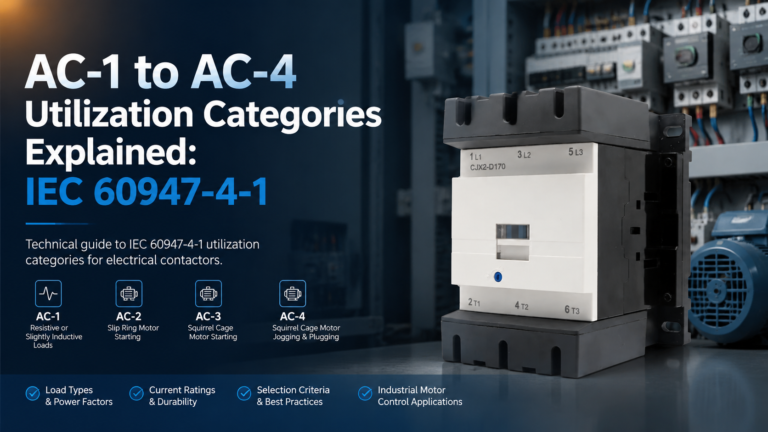
IEC 60947-4-1 defines AC-1 to AC-4 utilization categories for contactors. Learn the differences in load type, power factor, current ratings, and how to select the right category for your motor application.
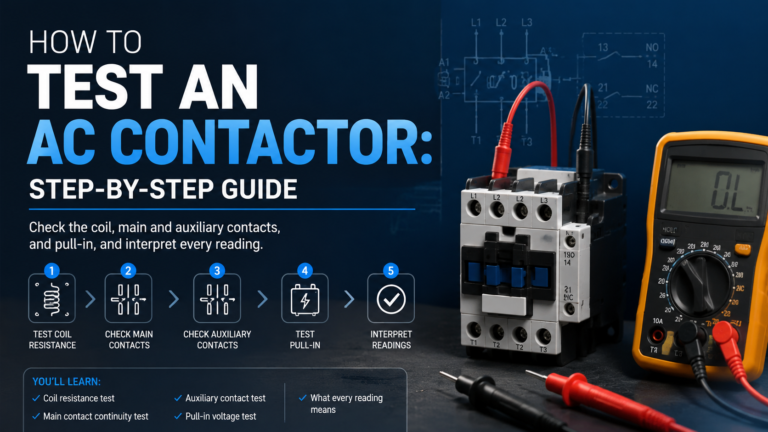
Step-by-step guide to testing an AC contactor with a multimeter: check the coil, main and auxiliary contacts, and pull-in, and interpret every reading.
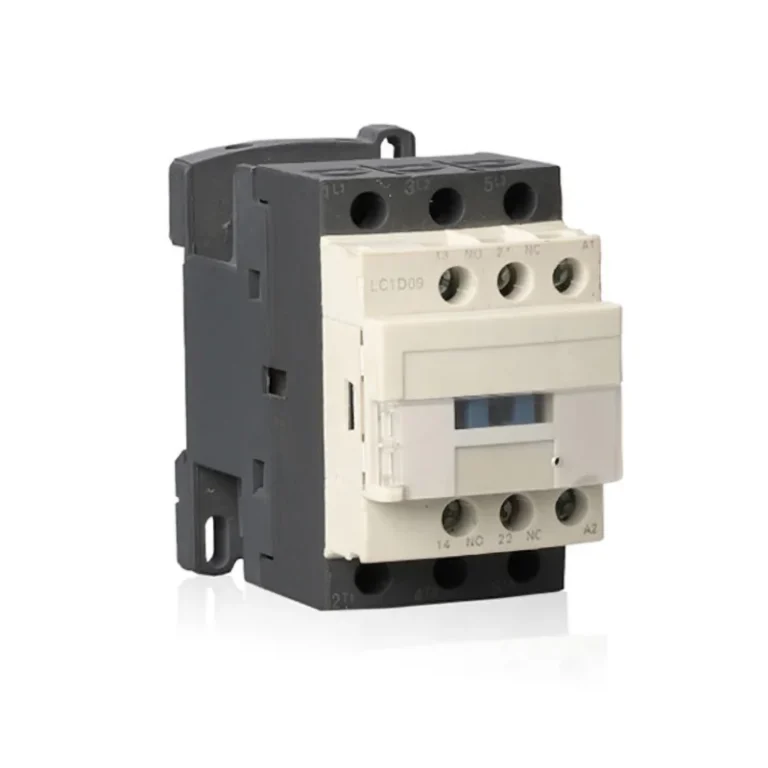
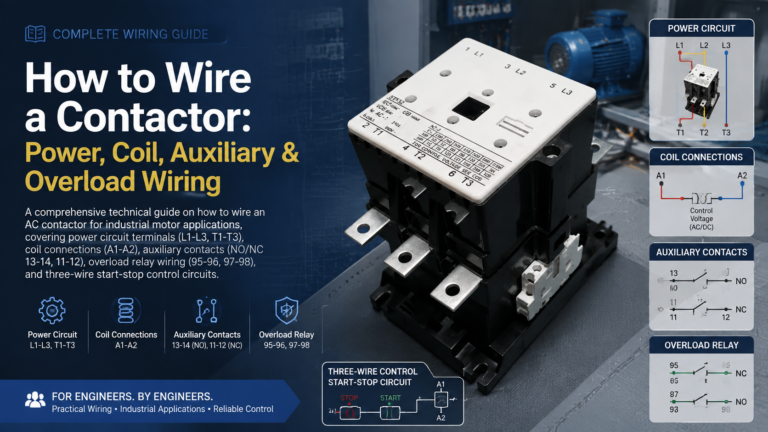
Understanding Contactor Terminal Markings Before wiring any contactor, you need to read its terminal markings correctly. Every contactor follows standardized numbering conventions that tell you exactly where each wire goes. Getting these wrong can short your control circuit, burn the coil, or fail to energize the motor at all. Terminal Function Notes L1, L2, L3 Line (power input) Three-phase supply from breaker T1, T2, T3 Load (power output) Motor or downstream load A1, A2 Coil terminals Control voltage input 13 → 14 Auxiliary NO contact Normally open; closes when coil energizes 11 → 12 Auxiliary NC contact Normally closed; opens when coil energizes 95 → 96 Overload relay NC Opens […]
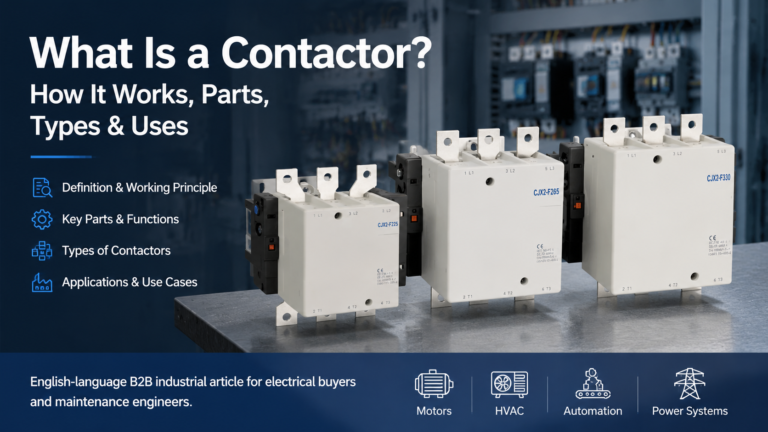
A contactor is an electrically controlled switch for repeated high-current switching. Learn how it works, its main parts, common types, and typical industrial uses.
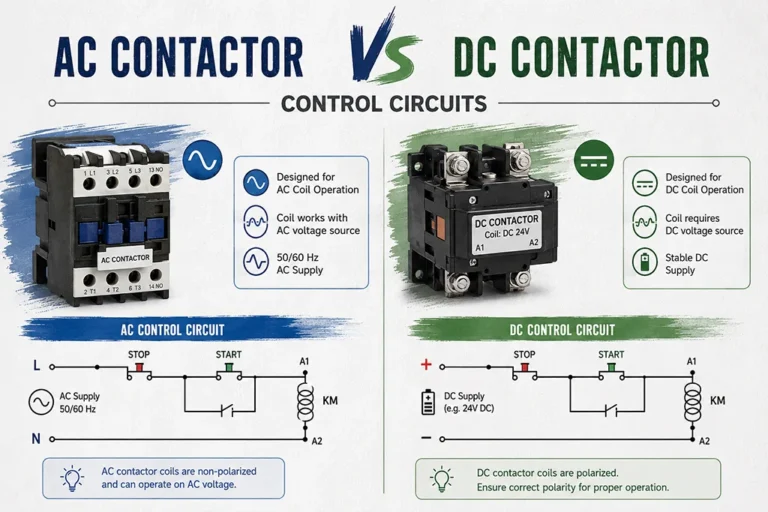
The choice between alternating current (AC) and direct current (DC) is the difference between AC vs DC control circuits. This article provides a systematic comparison of AC- and DC-powered control circuits across four dimensions: operational reliability during fault conditions, electromechanical switching performance, system complexity and lifecycle cost, and safety considerations. DC control systems—typically operating at 110 V or 220 V from dedicated battery banks—offer decisive advantages in protection dependability and autonomy during AC network collapse. AC control circuits, simpler and less capital-intensive, introduce a fundamental dependency that can disable protection schemes precisely when they are most needed. We hope this article can help buyer about the engineering boundary conditions under […]
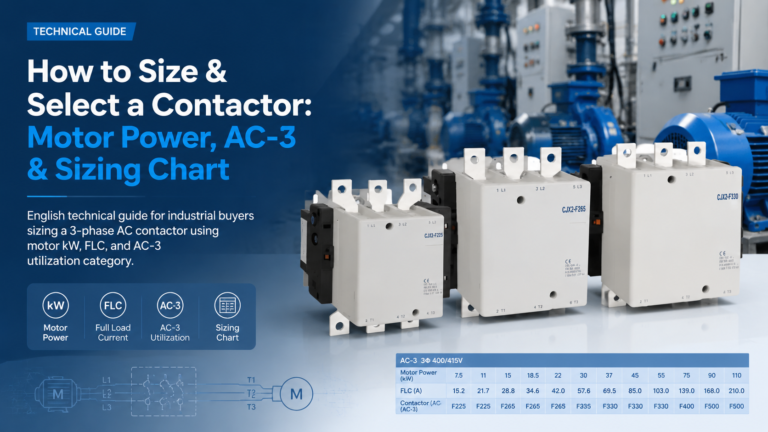
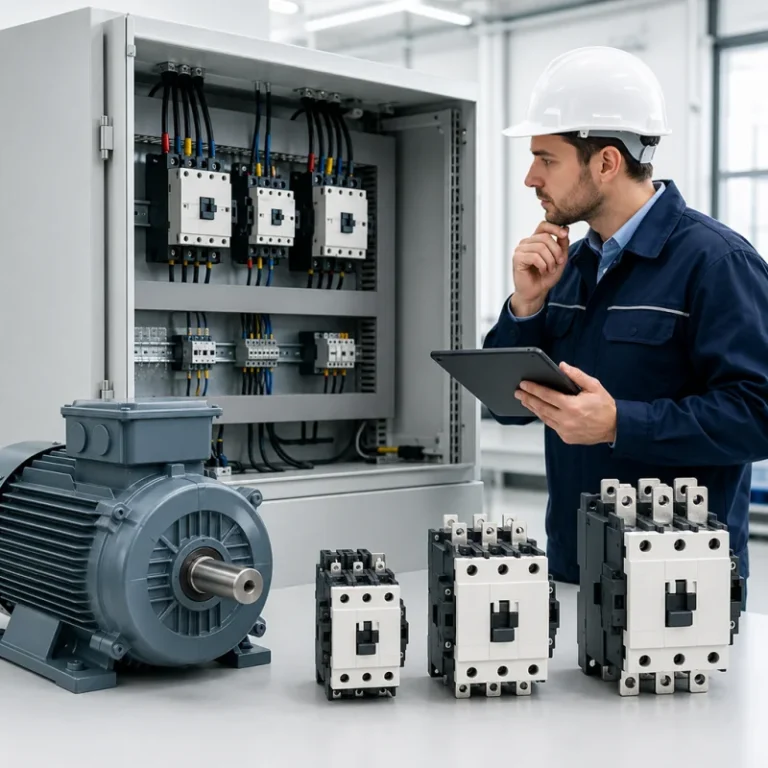
The Wrong Contactor Costs More Than the Right One Picking an right AC contactor is a bit like buying tires for a truck. Besides international standards, there are other points to note. Put passenger-car tires on it, and you’ll be on the side of the highway with a blowout by noon. Go wildly oversized, and you’re burning fuel and cash for no reason. The sweet spot is knowing the load, the road conditions, and the numbers that connect them. I’ve seen a 160 kW compressor eat through three undersized contactors in a single month because someone sized for the running current and forgot about the 7x inrush. Each replacement meant […]
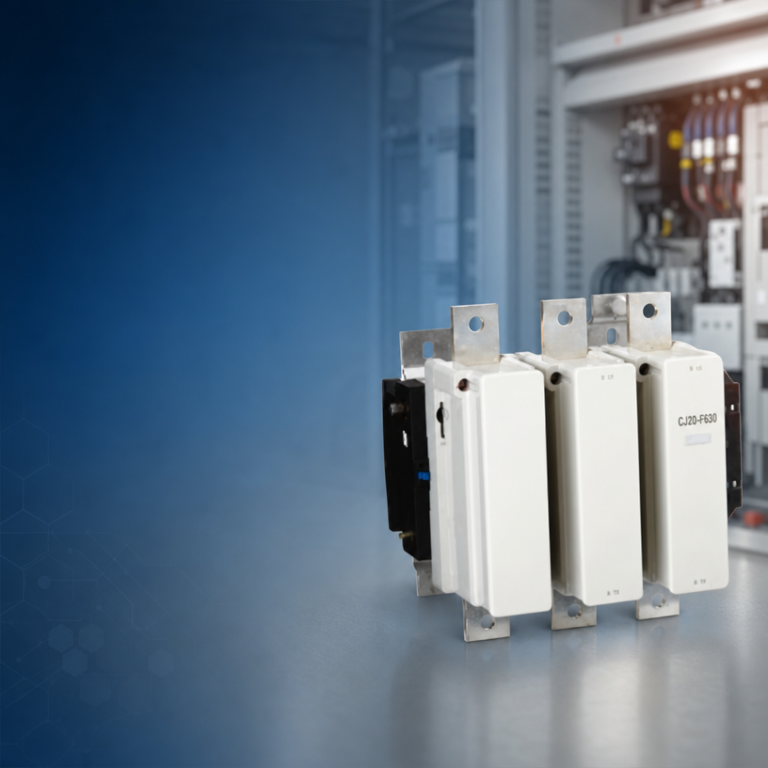
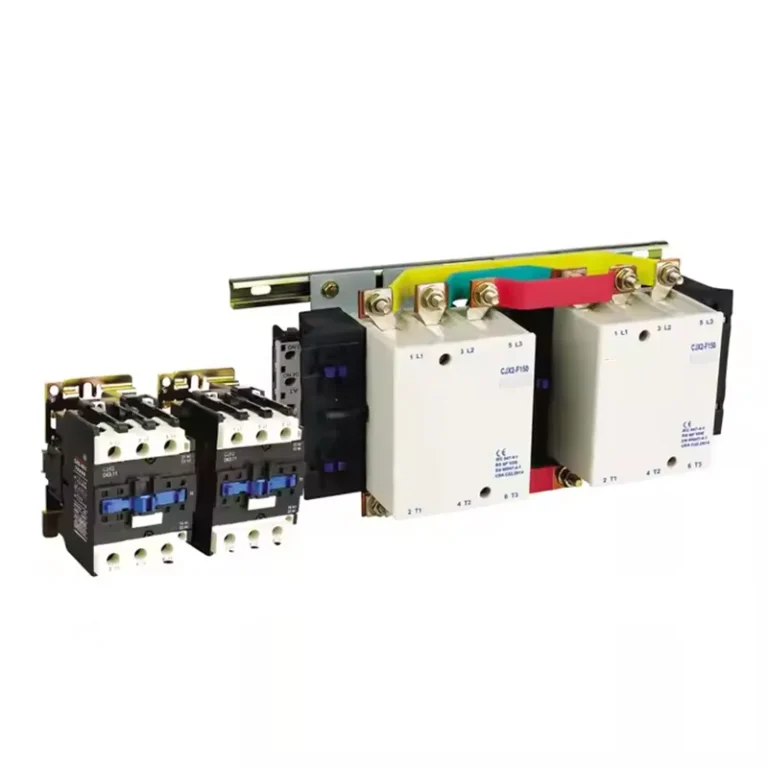
AC Contactor and Relay have difference? Walk into any electrical panel, and you’ll spot both contactors and relays sitting side by side. They look similar enough to fool a casual observer — both are rectangular boxes with terminals, coils, and moving contacts inside. Put a CJX2-F225 AC contactor next to a standard industrial relay, and at a distance, you’d have a hard time telling which is which. That’s where the confusion starts. An electrician once told me he spent half a morning troubleshooting a pump system, only to realize the panel builder had swapped in a relay where a contactor belonged. The relay worked fine on the bench test but burned its […]