








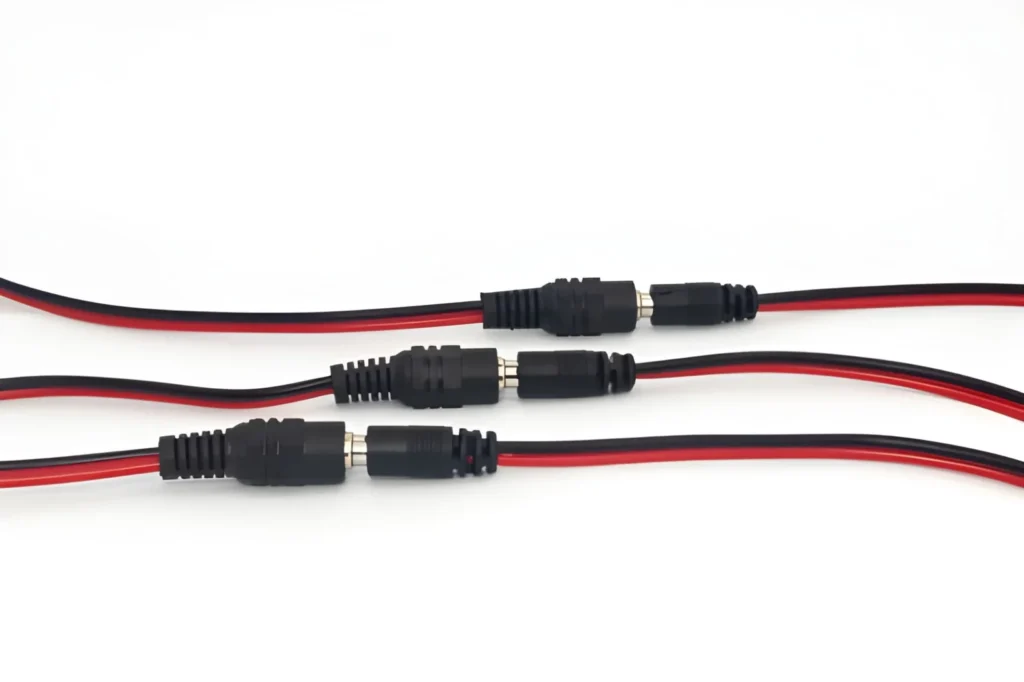
Aviation Power Connectors High Current Durable MIL-DTL Standards
If you’re working with power connectors aviation systems, you know these aren’t your everyday plugs. Aircraft demand connectors that can handle extreme temperatures, high currents, intense vibration, and strict safety standards—all while keeping electrical systems reliable and lightweight. Whether you’re involved in designing next-gen eVTOLs, maintaining legacy fleets, or sourcing rugged connectors for ground power units, understanding the nuances of aerospace-grade power connectors is crucial. In this guide, we cut through the noise to give you clear insights on types, standards, and specs that truly matter in aviation power distribution. Let’s get straight to what makes a connector flight-ready and future-proof.
What Are Aviation Power Connectors?
Aviation connectors are specialized electrical connectors designed to handle high current and voltage demands in aircraft systems. Unlike standard industrial or consumer connectors, these aviation connectors must meet much stricter requirements due to the critical nature of their applications.
Key Differences from Standard Connectors:
- High Reliability: Aviation power connectors ensure continuous, reliable operation in extreme conditions, which is vital for flight safety.
- Environmental Sealing: They provide superior protection against moisture, dust, oils, and chemicals, often meeting waterproof aviation connector standards such as IP67 or higher.
- EMI/RFI Shielding: To prevent electromagnetic and radio frequency interference (EMI/RFI), these connectors integrate advanced shielding to maintain clean electrical signals.
- Compliance with Aerospace Regulations: They must adhere to strict aerospace industry standards, including Mil-Spec requirements and FAA/EASA certifications, essential for aircraft EWIS (Electrical Wiring Interconnection Systems).
Aviation power connectors are thus engineered to support harsh environments, withstand vibration and shock, and ensure safe, uninterrupted power transmission in demanding aerospace applications. This sets them apart clearly from regular high-power aircraft connectors or typical commercial plugs.

Why Power Connectors Matter in Modern Aviation
Power connectors play a critical role in aviation wiring interconnection systems (EWIS) and overall aircraft power architectures. As planes become more electric — with trends like eVTOLs (electric vertical takeoff and landing aircraft) and more-electric aircraft designs — the demand for reliable high-power aircraft connectors only grows. These connectors must handle higher currents and voltages while maintaining durability in harsh conditions.
The rising electrification pushes power connectors to be more robust, with improved EMI/RFI shielding and enhanced environmental sealing. A failure in aviation power connectors can lead to serious safety risks, unexpected downtime, and high maintenance costs, affecting both routine operations and mission-critical systems. Ensuring the right connectors are in place is essential for keeping modern aircraft safe and efficient in this evolving landscape.
Key Types of Power Connectors Used in Aviation
Aviation power connectors come in several specialized types, each designed to meet unique electrical and environmental demands. Here’s a quick look at the main categories used in aircraft systems:
| Connector Type | Current/Voltage Ratings | Coupling Mechanism | Environmental Rating | Typical Use |
|---|---|---|---|---|
| Circular High-Power Connectors | 200–500+ amps, up to 600 V | Threaded or bayonet | IP67/IP68 equivalent | MIL-DTL-38999 derivatives with RADSOK or Temper-Grip contacts for high-current power delivery in harsh conditions |
| Specialized High-Voltage/Current | 500+ amps, 600 V to >1000 V | Threaded or quick-lock | IP67/IP68, corrosion resistant | Glenair PowerLoad, Amphenol Voltarius, Class L (MIL-DTL-22992) for heavy-duty, high-voltage power systems |
| Ground Power Unit (GPU) Connectors | 28V DC, 400Hz AC systems | Plug and socket | Weather sealed, rugged | Interface between aircraft and external power during maintenance and pre-flight procedures |
| Hybrid Power/Signal Connectors | Varies, up to hundreds of amps | Push-pull or bayonet | High sealing levels | Combine power and data signals in compact form for avionics and integrated systems |
Circular High-Power Connectors are the backbone of aerospace power distribution, relying heavily on rugged MIL-DTL-38999 style shells. Contacts like RADSOK and Temper-Grip ensure excellent conductivity and durability for currents exceeding 200 amps.
For more specialized needs, high-voltage and high-current connectors like Glenair’s PowerLoad series and Amphenol’s Voltarius offer ultra-reliable performance for next-gen aircraft and eVTOL platforms. The Class L MIL-DTL-22992 series remains a trusted standard for heavy-duty power in military and civilian aviation.
GPU Connectors are essential for ground servicing, providing reliable connection to aircraft systems operating at 28V DC or 400Hz AC power supplies. These plugs and sockets must withstand extreme outdoor conditions while being easy to connect and disconnect.
Finally, Hybrid Power/Signal Connectors integrate power lines alongside sensitive data cables, reducing weight and saving space — critical for modern avionics systems needing both power and communication through the same interface.
For sourcing reliable aviation connectors, browse high-quality options like those offered in the aviation connector category, featuring rugged, waterproof aviation plugs suitable for demanding environments.
Essential Features and Specifications of Aviation Power Connectors
When choosing aviation power connectors, several critical features ensure reliable performance in harsh aerospace environments. Here’s a quick breakdown:
| Category | Key Features |
|---|---|
| Electrical | – High current/voltage handling (up to 500+ amps, several kV) – Low contact resistance for efficient power transfer – Derating factors to avoid overheating in extreme conditions |
| Environmental | – Wide temperature range: from -65°C up to +200°C or more – Vibration and shock resistance to handle aircraft motion – Sealing standards usually IP67/IP68 equivalents for waterproof and dustproof protection |
| Mechanical | – Coupling types: threaded (MIL-DTL-38999 style), bayonet, push-pull for secure mating – Durable materials: aluminum (lightweight), stainless steel (robust), composites (weight-saving) |
| Safety | – Arc resistance to prevent electrical faults during mating/unmating – Partial discharge prevention to maintain signal integrity at high voltages – Hot-plug capability for safe insertion/removal under load |
These specs together make aviation power connectors suitable for demanding EWIS (Electrical Wire Interconnection Systems) and aircraft power distribution. For rugged environments, connectors must handle both electrical stress and mechanical wear reliably.
For high-quality terminations and sealing, consider accessories like industrial automation stainless steel cable glands that complement connector assemblies with robust environmental protection.
By covering these essentials, manufacturers ensure power connectors run flawlessly in aircraft, eVTOLs, and other aerospace applications, maintaining safety and efficiency in flight.
Industry Standards and Certifications for Aviation Power Connectors
Aviation power connectors must meet strict industry standards to ensure reliability and safety in demanding environments. Key Mil-Specs like MIL-DTL-38999, MIL-DTL-5015, and MIL-DTL-22992 set the bar for performance, durability, and environmental resistance in circular military connectors designed for high current and harsh conditions. These specifications cover everything from contact materials and current ratings to vibration resistance and sealing.
Commercial standards such as BACC and EN2997 offer equivalent certifications that align with global aerospace needs, often providing alternatives for specific avionics power connectors. Meeting these standards is essential for integration into the aircraft’s Electrical Wiring Interconnection System (EWIS), which the FAA and EASA rigorously regulate to ensure airworthiness and operational safety.
Another crucial aspect is the Qualified Products List (QPL). Connectors listed on a QPL guarantee traceability, quality manufacturing, and consistent compliance with aerospace requirements. This traceability helps avoid failures and simplifies maintenance by ensuring every connector part can be tracked back to its origin and tested standards.
Choosing connectors certified to these standards means investing in secure, reliable aerospace power distribution connectors that stand up to the rigors of aviation. For reliable options designed with certification in mind, exploring products like the SD20 Series Aviation Connector can be a smart move for your aviation projects.
Top Manufacturers and Solutions
When it comes to aviation power connectors, several top brands lead the way in quality and innovation. Amphenol Aerospace is well-known for its high-power aircraft connectors and circular military connector solutions that meet stringent aerospace standards. Glenair offers specialized options like the PowerLoad series, ideal for high-current applications found in modern aircraft and emerging eVTOL designs. TE Connectivity provides rugged, reliable aerospace power distribution connectors, while ITT Cannon and Radiall are trusted for their durable, high-performance circular aviation connectors and RADSOK high-power contacts.
As aircraft electrification advances, especially with eVTOL and more-electric aircraft, these manufacturers are continuously developing connectors that handle higher voltages and currents while maintaining environmental sealing and EMI/RFI shielding. Emerging solutions are focusing on hybrid power/signal connectors that support integrated avionics and power needs in compact, lightweight packages.
For customers around the globe seeking certified, high-quality aviation power connectors, wilmall offers a curated selection from these leading brands. Their products comply with aerospace regulations and come with traceability and quality assurance, ensuring dependable performance in harsh conditions. Explore the available options and specifications through wilmall’s extensive aviation connector inventory to find reliable solutions tailored for your aircraft’s demanding power architectures.
Explore the range of aviation connectors at wilmall for certified products designed for harsh environments and high-current aerospace applications.
How to Choose the Right Aviation Power Connector
Picking the right aviation power connector is all about matching the connector’s specs to your system’s needs. Here’s a simple step-by-step guide:
Step-by-Step Selection Guide
| Step | What to Consider | Why It Matters |
|---|---|---|
| Voltage & Current | Check max voltage and current ratings | Avoid overheating or arcing |
| Environment | Temperature, moisture, vibration | Ensures durability and reliable sealing (IP67/IP68) |
| Size & Weight | Space constraints, weight limits | Critical in aircraft design for efficiency |
| Mating Cycles | Number of connect/disconnect cycles needed | Longer lifetime reduces maintenance costs |
| Safety Features | Arc resistance, partial discharge prevention | Protects against electrical faults |
Common Pitfalls to Avoid
- Overrating capacity: Using connectors rated too low results in premature failures.
- Ignoring environment: Not choosing connectors with proper sealing or shock resistance leads to corrosion and loose connections.
- Mismatch in coupling type: Threaded vs. bayonet or push-pull affects installation ease and security.
- Overlooking certification: Choose connectors compliant with MIL-DTL-38999 or equivalent aerospace standards.
Customization Options
Many manufacturers offer tailored connectors for specific avionics power and signal needs, including hybrid connectors and custom contact arrangements. This helps optimize wiring complexity and save weight.
For rugged outdoor and aviation-related power needs, you might also want to check quality stainless steel cable glands like those available at Wilmall’s stainless steel cable gland range for secure cable terminations that pair well with aviation connectors.
Choosing right means saving time, avoiding costly downtime, and ensuring your aircraft’s EWIS (Electrical Wiring Interconnection System) runs reliably.
Installation, Maintenance, and Best Practices
Proper installation and maintenance of aviation power connectors are crucial for ensuring long-term reliability and safety. Here are some essential tips to keep your connectors performing well, especially in harsh environments:
Crimping and Termination Tips
- Use the right crimp tools designed specifically for aviation connectors like MIL-DTL-38999 power contacts or RADSOK high-power contacts.
- Ensure the wire gauge matches the connector’s specification to avoid loose connections or overheating.
- Always follow manufacturer-recommended crimping procedures to maintain contact integrity and minimise contact resistance.
- Inspect crimps visually and use pull tests to verify firm termination.
Inspection and Troubleshooting
- Regularly inspect connectors for signs of corrosion, especially in outdoor or humid conditions. Using waterproof aviation connectors or sealed units (IP67/IP68 rated) helps prevent moisture ingress.
- Check for vibration-induced loosening by ensuring coupling mechanisms (threaded, bayonet, or push-pull) are securely fastened. Retighten as needed.
- Inspect contacts for wear or damage and replace connectors showing partial discharge or arc erosion to avoid failure risks.
Maintenance in Harsh Conditions
- Clean contact surfaces with appropriate contact cleaners to remove oxidation without damaging the plating.
- Avoid using abrasive materials during cleaning to preserve EMI/RFI shielding effectiveness.
- Store connectors properly when not in use to protect environmental seals and avoid contamination.
- Schedule routine maintenance, particularly for Ground Power Unit (GPU) connectors and hybrid power/signal connectors exposed to frequent mating cycles.
By adhering to these practices, you can extend the operational life of high-power aircraft connectors, reduce downtime, and maintain safe electrical connections throughout your aviation systems.
For more on aviation connector solutions, including specialized crimping tools and maintenance supplies, check out our detailed connectors for avionics systems guide.